
San Marcos commercial plumbing evaluations help office and retail tenants understand what a space can really support before they commit to a build-out. San Marcos is a growing inland city in North County San Diego, home to Cal State San Marcos, Palomar College, the new North City district, and busy corridors along San Marcos Boulevard and Grand Avenue. Office parks, medical suites, and shopping centers here range from brand-new shells to buildings from the 1980s. Each one comes with its own fixtures, drains, and water supply. This guide explains how to evaluate those three systems for an office or retail build-out.
Tenants, brokers, and builders can use these steps during due diligence and early design.
Why Evaluate Before You Design
Many tenants sign a lease, hire a designer, and only then learn that the plumbing cannot support their plan. A medical office may need sinks in every exam room. A retail café may need a floor sink and a grease interceptor. If the drains are too small or too far away, costs climb fast. So a short evaluation up front saves money and protects the timeline.
Start San Marcos Commercial Plumbing With a Site Walk
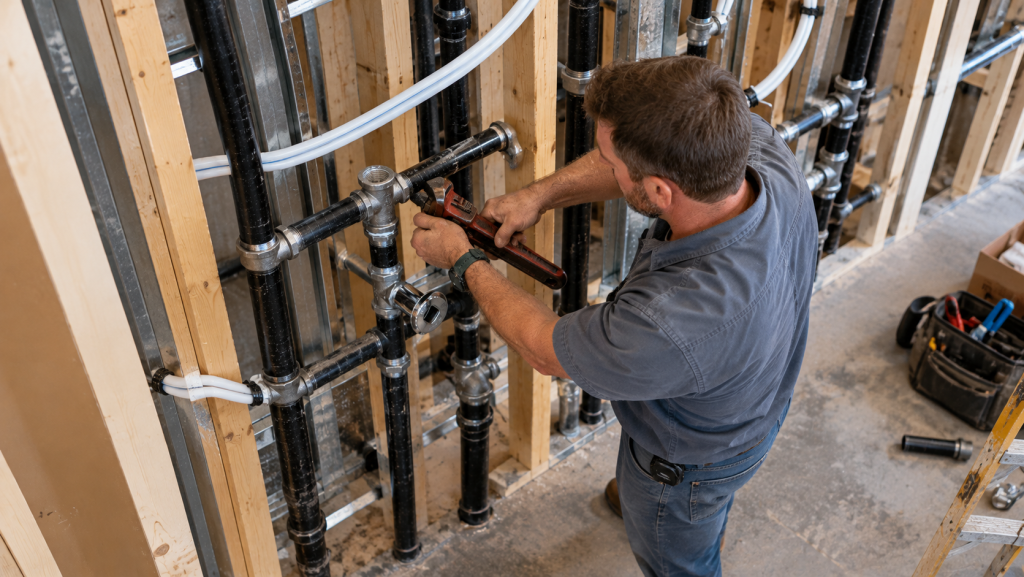
First, walk the space with a plumber. Note every existing fixture, the water heater, the main shutoff, and any visible cleanouts. Next, look for signs of past leaks, such as stained ceiling tiles or rusty fittings. In addition, ask the landlord for drawings and service records. A site walk takes an hour and answers many basic questions.
Evaluating Existing Fixtures
Next, check each fixture for age, condition, and code compliance. Older toilets may use far more water than current rules allow. Lavatories may sit too high or lack knee space for wheelchair access. In addition, faucets may need lever handles. Some fixtures can stay with minor work. Others must be replaced. List them in a simple table.
San Marcos Commercial Plumbing and Restroom Counts
The building code sets a minimum number of restrooms based on use and occupancy. An office with fifty people needs more than a small shop with five. However, some buildings share common restrooms in the corridor. If your lease includes shared restrooms, you may not need your own. So confirm the count early, because adding a restroom is a big cost item. Our bathroom fit-out guide explains the basics.
Checking Drainage Capacity
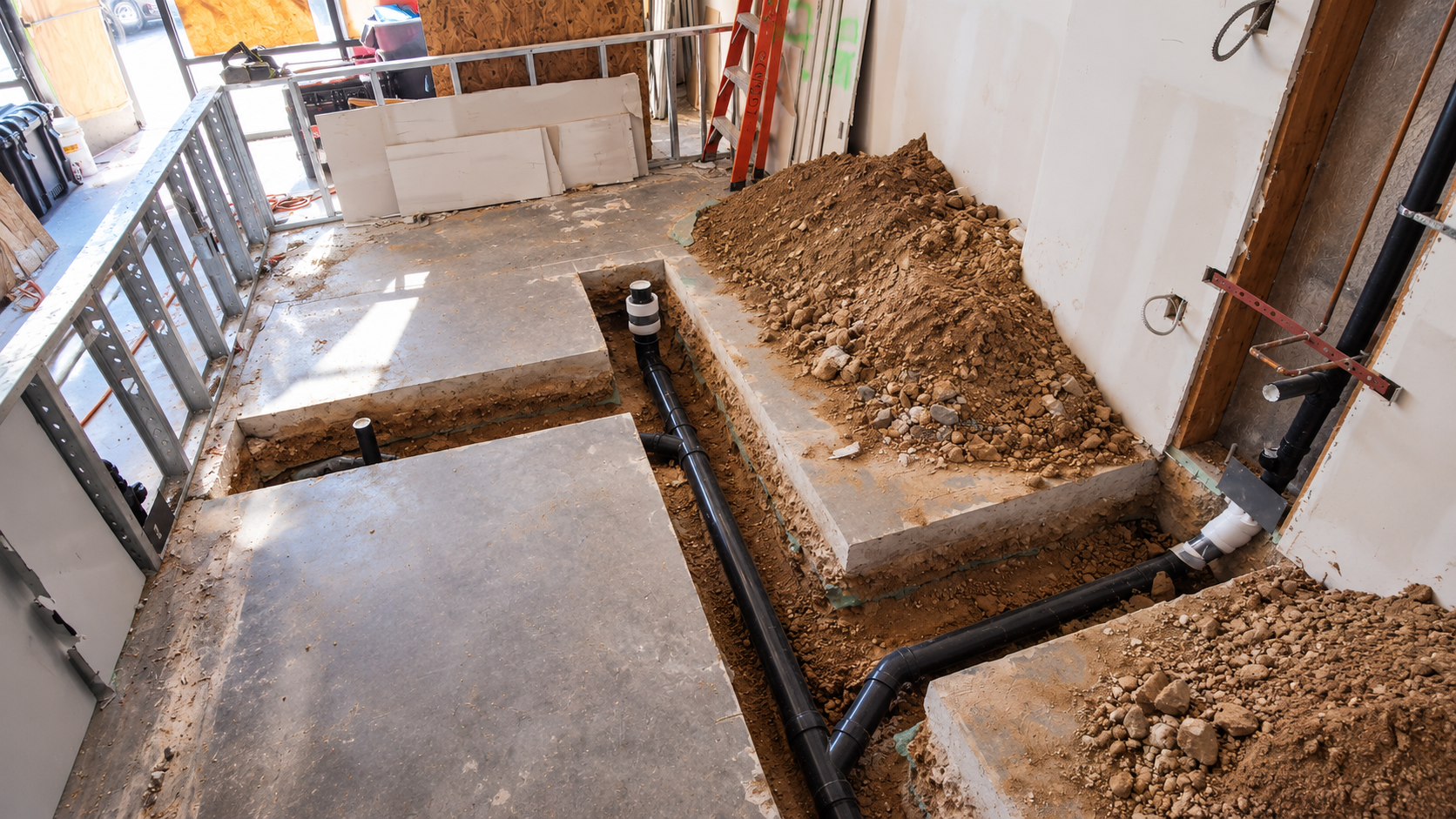
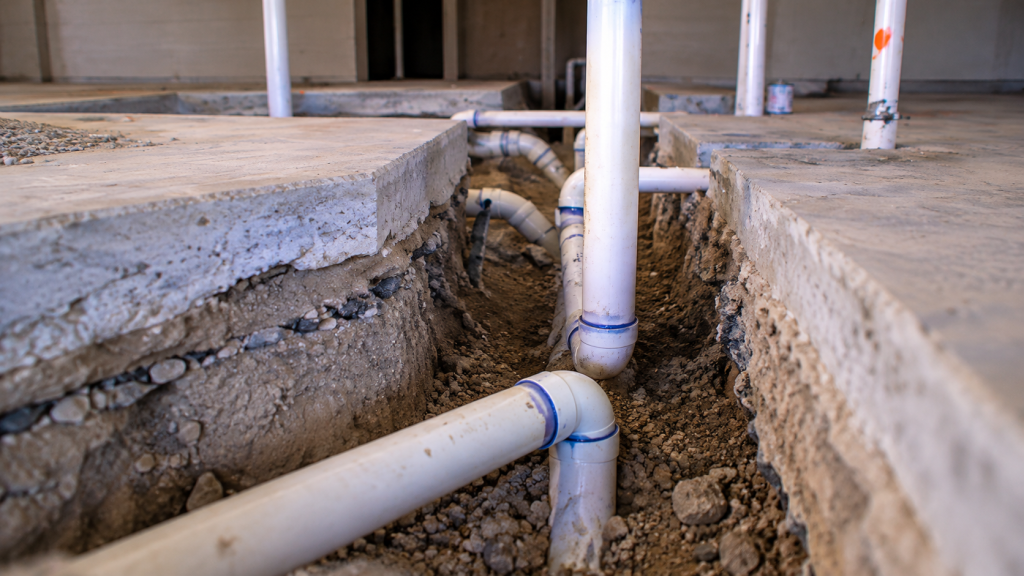
Then look at the drains. A camera survey shows the size, slope, and condition of the lines. It also shows where the suite connects to the building sewer. In addition, the plumber checks how many fixtures already drain into each line. If a line is near capacity, new fixtures may need a new branch. That can mean slab cutting in a ground-floor suite.
San Marcos Commercial Plumbing on Upper Floors
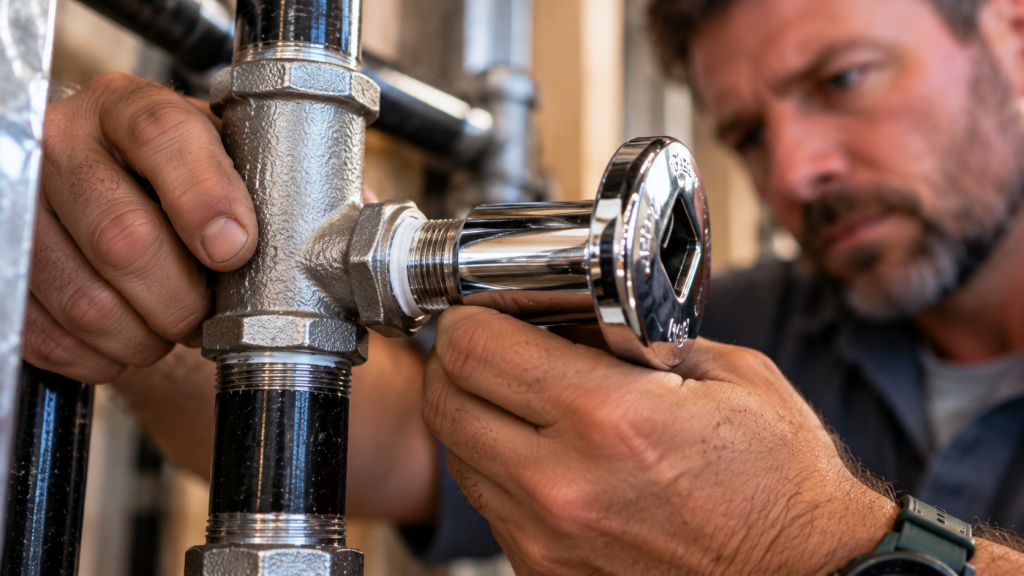
Offices on second or third floors face different limits. New drains must run below the floor, which means working in the ceiling of the tenant below. So the landlord must approve access, and work may happen at night. In addition, drains must reach an existing stack. The farther a sink sits from the stack, the harder the run. Keep wet areas close to the core when possible.
Evaluating Water Supply
Next, check the water supply. The plumber measures static and flowing pressure at a fixture. Hilly parts of San Marcos can see high or low pressure depending on elevation. As a result, some buildings need a pressure-reducing valve or a booster pump. In addition, check the meter size against the planned fixture count. The Vallecitos Water District serves much of the city and handles meter changes.
Hot Water Capacity
Hot water needs vary widely. A simple office may need only a small tank for a break room. In contrast, a dental office or salon needs much more. So the plumber compares the existing heater to the planned use. In addition, long pipe runs may call for a recirculation pump so hot water arrives quickly. Check the heater’s age, since many last only ten to fifteen years.
San Marcos Commercial Plumbing for Medical Suites
Clinics and dental practices cluster near Palomar Medical Center and along the freeway corridors. These suites need hand sinks in exam rooms, sterilization areas, and sometimes special drains for dental equipment. In addition, some medical uses need vacuum or compressed air lines. So a clinic should hand its equipment schedule to the plumber during the first design meeting. These needs drive much of the plumbing cost.
Retail and Food Service Needs
Retail tenants usually need less plumbing. However, cafés, juice bars, and frozen yogurt shops need prep sinks, hand sinks, floor sinks, and sometimes grease control. The County of San Diego reviews these through its food facility program. In addition, ask the landlord if a common grease interceptor already serves the plaza.
Gas Service
Some office and retail suites have no gas at all. Others share a gas meter with the center. If you need gas for a water heater or cooking, check the nearest supply line and its capacity. In addition, many new projects choose electric heat pump water heaters instead. That choice can avoid gas work entirely.
San Marcos Commercial Plumbing Permits
San Marcos has its own building division that reviews tenant improvement plans and inspects plumbing. Submittals should show fixtures, drain sizes, water sizing, and any special systems. In addition, the water district may review meter or backflow changes. Allow several weeks for plan review, and respond quickly to comments.
Signs of Trouble During the Walk
Some clues point to bigger plumbing work ahead. For instance, slow drains in an empty suite often mean buildup or a sag in the line. A musty smell near a floor drain can signal a dry trap or a broken vent. Meanwhile, green or white crust on copper fittings suggests slow leaks. Also watch for patched ceiling tiles under a restroom on the floor above. Each sign deserves a closer look before you finalize the layout. Write them down, take photos, and share them with the landlord so repairs can be negotiated into the lease.
Budget Planning
The evaluation turns into a budget. Reused fixtures and good drains keep costs low. Meanwhile, new restrooms, long drain runs, and upper-floor work push costs up. For rough figures, our tenant improvement plumbing costs article walks through the major line items. Use the evaluation to set a realistic contingency.
Water Efficiency
California’s rules call for low-flow fixtures in new work. In addition, efficient fixtures cut water bills over the life of a lease. Look for the WaterSense label when choosing toilets, urinals, and faucets. Sensor faucets also reduce waste in busy restrooms.
San Marcos Commercial Plumbing Near the University
Spaces near Cal State San Marcos and North City see heavy use from students and staff. Restrooms in these areas wear quickly. So choose durable fixtures, wall-hung toilets for easy cleaning, and vandal-resistant faucets. In addition, place shutoff valves where maintenance staff can reach them fast.
Tips for Office and Retail Tenants
- Tour the suite with a licensed plumber during due diligence
- Camera the drains and confirm tie-in points
- Measure water pressure and check the meter
- Keep wet areas near the building core
- Share equipment lists early
San Marcos Commercial Plumbing Checklist
- Fixture condition and code review
- Restroom count and access
- Drain size, slope, and capacity
- Water pressure, meter, and hot water
- Gas service needs
- Permits and budget
Know Your Space Before You Build
A careful San Marcos commercial plumbing evaluation shows what your space can handle and what it will cost to fix the rest. With that knowledge, you can design with confidence and avoid surprises. See our tenant improvement plumbing services, or book a plumbing evaluation.