
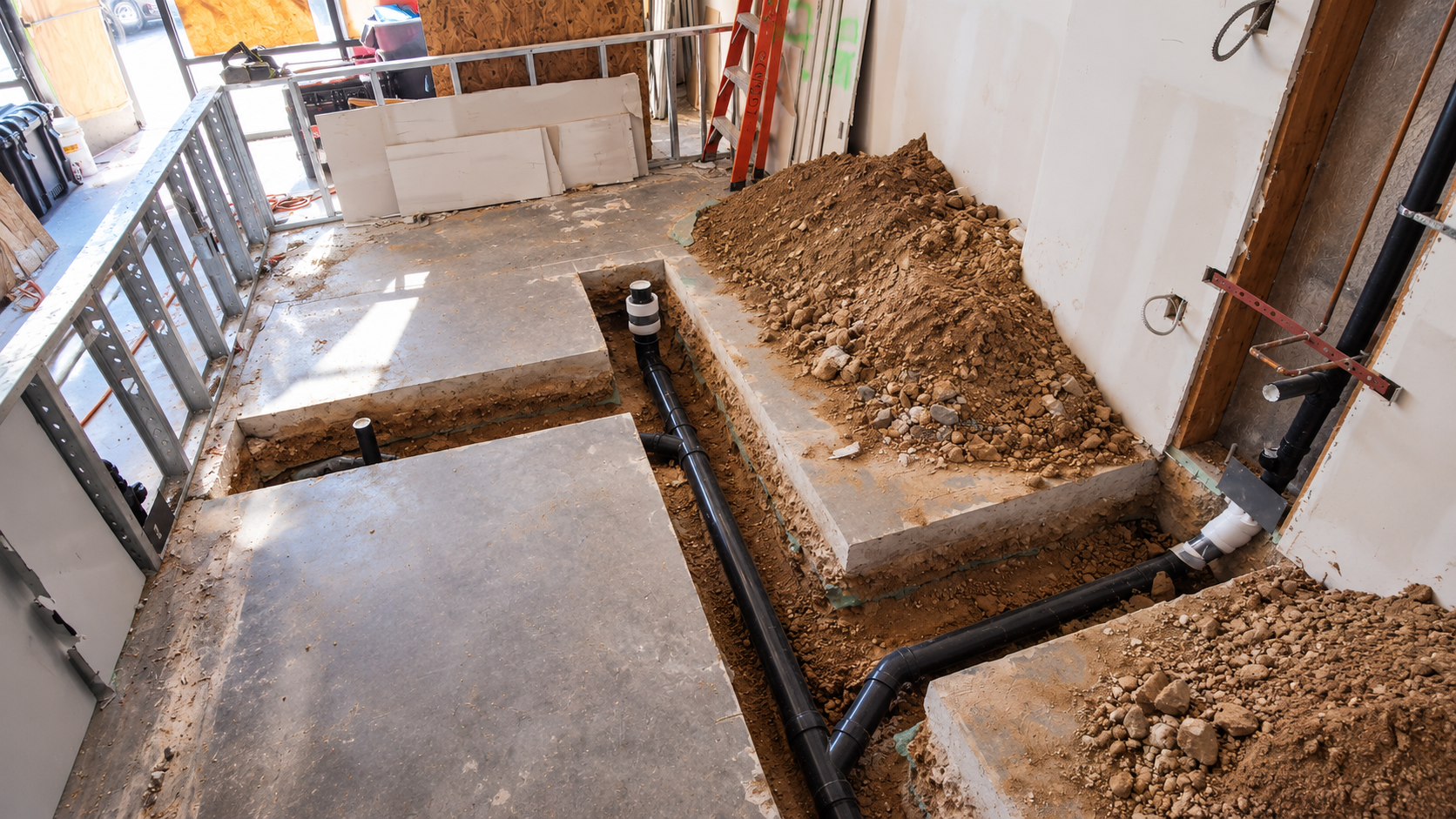
Mar Vista retail plumbing renovations usually start with a simple goal: the new store layout puts the restroom, sink, or service area somewhere the old pipes never reached. Mar Vista is a Westside Los Angeles neighborhood between Venice, Culver City, and Palms, known for its Sunday farmers market and its stretch of shops along Venice Boulevard and Grand View Boulevard. Mid-century storefronts here now house boutiques, bike shops, florists, pet groomers, and specialty grocers. When a retailer reshapes a suite, water and waste lines often need to move. This guide explains how to plan that work.
The steps below show how to move plumbing for a new layout while keeping costs under control.
Why Relocation Is More Than Moving a Sink
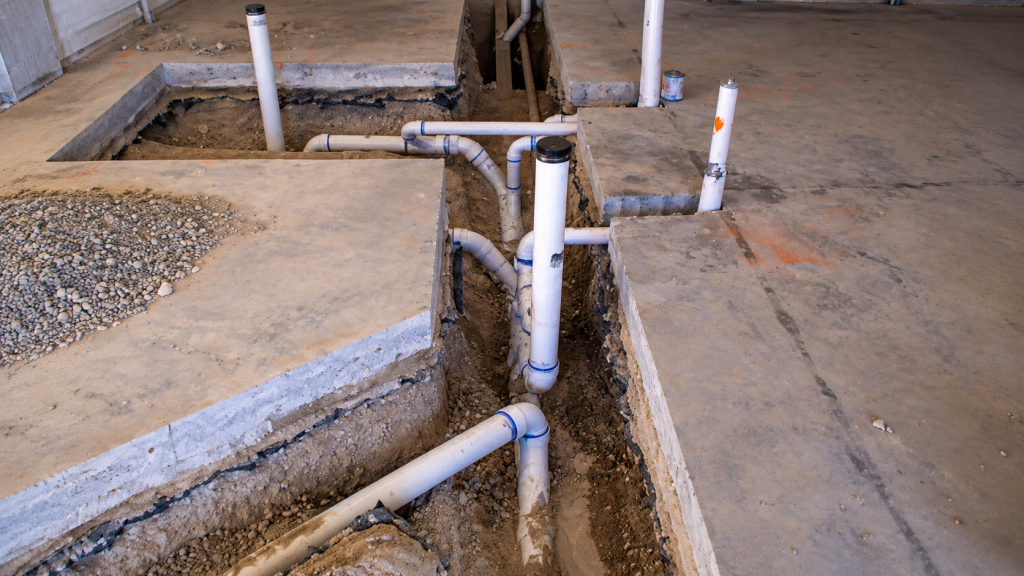
Moving a fixture means moving everything behind it. The water supply must reach the new spot. The drain must slope correctly to the building sewer. A vent must protect the trap. In addition, the old lines must be capped properly so they cannot leak or trap stale water. So even a short move can involve several trades and a slab cut.
Start Mar Vista Retail Plumbing With the Store Layout
First, settle the floor plan. Where will the sales floor, fitting rooms, stockroom, restroom, and service counter sit? Next, mark every fixture on that plan, including mop sinks, hand sinks, and any specialty items like a florist’s work sink or a grooming tub. Then compare the plan to the existing plumbing. This overlay shows which fixtures move, which stay, and how far each one travels.
Mapping the Existing Lines
Before design, a plumber maps what is already there. They locate the main drain, the cleanouts, the water main, and the vent stacks. A camera run shows drain slope, depth, and condition. In addition, they check whether the water supply runs above the ceiling or under the slab. This map tells the designer where new lines can connect most easily.
Mar Vista Retail Plumbing for Waste Lines
Waste lines are the hardest part to move because they rely on gravity. Each new drain must fall steadily toward the sewer, usually a quarter inch per foot. So a fixture moved far from the main drain needs a deeper trench at its starting point. If the run grows too long, the drain may hit the bottom of the slab or the footing. Keeping wet areas close to existing drains avoids that problem.
Moving Water Supply Lines
Water lines are easier to move because they work under pressure. They can run overhead, inside walls, or under the floor. Many Westside retail suites route new water lines above the ceiling and drop them down inside walls. In addition, PEX tubing makes long runs simpler with fewer fittings. Each new fixture gets its own shutoff valve for easy service.
Capping Abandoned Lines
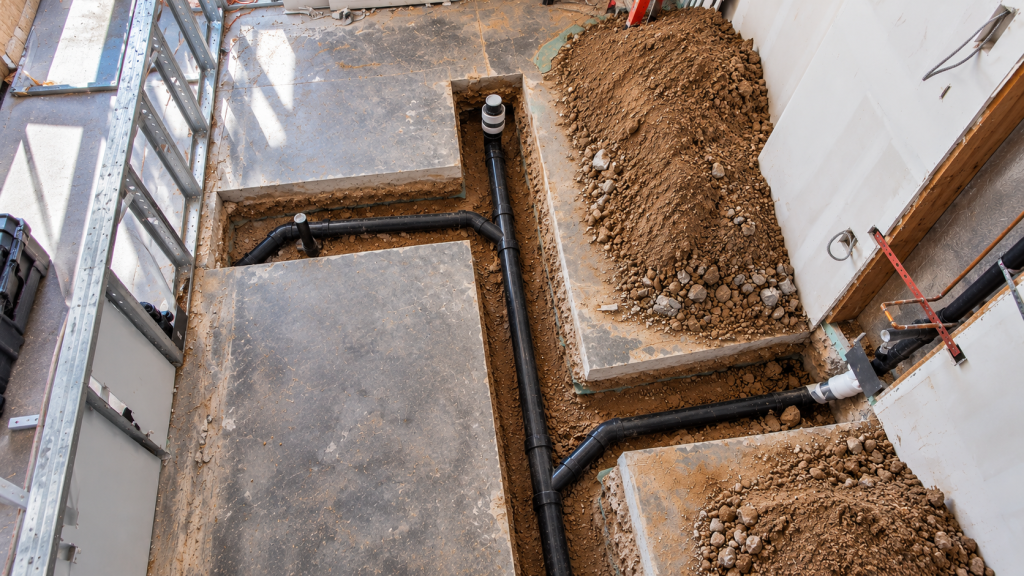
When a fixture moves, its old lines do not simply disappear. Water lines should be cut back to an active branch and capped, so no dead leg holds stagnant water. Drains should be capped below the floor and the slab patched. In addition, abandoned vents may need sealing at the roof. Doing this correctly prevents leaks and odors years later.
Mar Vista Retail Plumbing and Slab Cutting
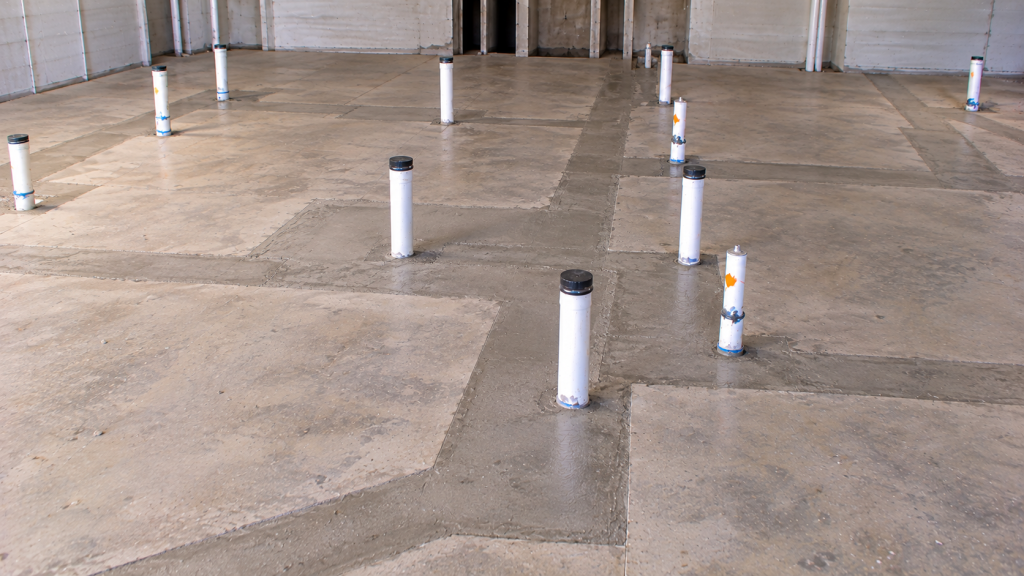
Most new drains in ground-floor stores run under the concrete. Crews scan the slab first to avoid cutting buried conduit. Then they saw-cut a narrow trench, dig to the proper depth, lay pipe, and test it. Once the inspector approves the pipe, the trench gets compacted fill and a fresh concrete cap. Because this work is loud and dusty, schedule it early, before display fixtures and flooring arrive.
Venting the New Locations
Each relocated fixture needs a vent within a set distance of its trap. In a single-story store, the vent may rise inside a new wall and exit through the roof. In addition, some fixtures can tie into an existing vent if it sits close enough. Where code allows, an air admittance valve may solve a tight spot. The plumber plans vent routes alongside the drains.
Restroom Relocations
Moving a restroom is the biggest relocation in most stores. Toilets need large drains, so the trench grows wider and deeper. In addition, the new restroom must meet accessibility rules for size, grab bars, and sink height. Our restroom clearance guide covers the key dimensions. If possible, keep the restroom near the old location to save money.
Mar Vista Retail Plumbing for Specialty Stores
Some Mar Vista retailers need special fixtures. Florists use large sinks and floor drains in the workroom. Pet groomers need raised tubs with hair interceptors. Specialty grocers may need hand sinks, prep sinks, and a floor sink for coolers. Each of these adds drains and water lines. So share your full equipment list with the plumber at the start.
Permits on the Westside
Plumbing relocations in Mar Vista require a permit from LADBS, the city’s building department. The drawings should show existing lines, removed lines, and new routes. In addition, stores that sell food may need county health approval. Inspectors check underground work before backfill and rough-in before walls close.
Water Efficiency
New fixtures must meet California’s low-flow rules. That is good news for retailers, since efficient fixtures cut water bills. Look for the WaterSense label on toilets and faucets. In addition, sensor faucets in customer restrooms reduce waste and improve hygiene.
Mar Vista Retail Plumbing Costs
The biggest cost drivers are how far fixtures move, how much slab you cut, and whether the restroom relocates. Water line moves are fairly affordable. By contrast, long drain trenches and new vents through the roof add up. Our retail plumbing pricing page explains typical ranges. A little layout flexibility can save thousands.
Scheduling Around the Store Opening
Relocation work follows a clear order. First, the layout and survey. Then, design and permits. Next, slab cuts, underground pipe, and inspection. After that, framing, rough-in, and another inspection. Finally, fixtures go in near the end. Keep the plumber involved if the layout changes, since even small shifts can move a drain.
Working With Neighbors
Many Mar Vista storefronts share walls and plumbing with neighbors. A water shutoff may affect the shop next door. So schedule shutoffs early in the morning and give notice. In addition, keep dust and noise contained during slab work. Good relationships make the build-out smoother.
Mar Vista Retail Plumbing in Older Buildings
Many storefronts along Venice Boulevard date from the 1950s and 1960s. Their drains are often cast iron, and their water lines may be galvanized steel. So a relocation is a good time to replace aging pipe near the work area. For example, if a new trench runs beside an old cracked drain, replacing that section now costs little extra. In addition, old shutoff valves often fail when turned, so swap them while the water is off. Mar Vista retail plumbing projects that address these items once avoid repeat visits after opening.
Tips for Retail Tenants
- Lock the store layout before plumbing design
- Keep wet areas near existing drains
- Run new water lines overhead when possible
- Cap old lines at active branches
- Schedule slab cuts before flooring arrives
Mar Vista Retail Plumbing Checklist
- Final layout and fixture list
- Existing line map and camera survey
- New drain, water, and vent routes
- Abandoned line capping
- Permits and inspections
- Fixture setting and testing
A Layout That Works for Your Store
With careful planning, Mar Vista retail plumbing relocations let you build the store you want without fighting the old pipes. Map first, keep runs short, and schedule the messy work early. See our tenant improvement plumbing services, or plan your store layout with us.