San Tan Valley plumbing work for a new retail store often starts outside the building, long before anyone sets a sink or a toilet. San Tan Valley is one of the fastest-growing communities in Pinal County, with new shopping centers rising along Hunt Highway, Gantzel Road, and Ironwood Drive. Many of these centers have fresh pads and shell buildings that still need water and sewer service for each tenant. If those connections lag, the whole opening date slips. This post walks retail tenants through the steps for planning water and sewer hookups during a tenant improvement.
Here is a practical roadmap for store owners, landlords, and builders who want to catch long-lead items early.
Why Water and Sewer Come First
Every retail space needs clean water in and wastewater out. Even a small shop needs at least one restroom, a hand sink, and often a mop sink. Stores that sell food or drinks need even more. However, the pipes that feed those fixtures connect to public or private utility lines outside the suite. Those outside links take the most time to plan and approve. So smart tenants start San Tan Valley plumbing planning with them, not with fixture choices.
San Tan Valley Plumbing and Unincorporated Rules
San Tan Valley is not an incorporated city. Instead, Pinal County handles building permits and inspections for most of the area. That means the county’s building department reviews your plumbing plans, not a city office. In addition, water and sewer service may come from a private utility rather than a city system. In much of the area, EPCOR provides water and wastewater service. Confirm the provider for your exact address early, since each one has its own rules and fees.
Shell Buildings and What They Include
Many new retail centers deliver a “cold shell” or “warm shell.” A cold shell may have only a water stub and a sewer stub at the back wall. A warm shell may include a restroom or two. So read the landlord’s work letter closely. It tells you what plumbing already exists and what the tenant must add. In some leases, the landlord pays for the main lines while the tenant pays for everything inside the suite.
Sizing the Water Service
The water line and meter must match your store’s demand. Plumbers count fixture units, which measure how much water each fixture can use. A clothing store with one restroom needs far less than a smoothie shop with several sinks and an ice machine. When the current meter falls short, the utility may have to set a bigger one. That step can take weeks. So run the numbers before you sign the lease.
San Tan Valley Plumbing for Sewer Taps
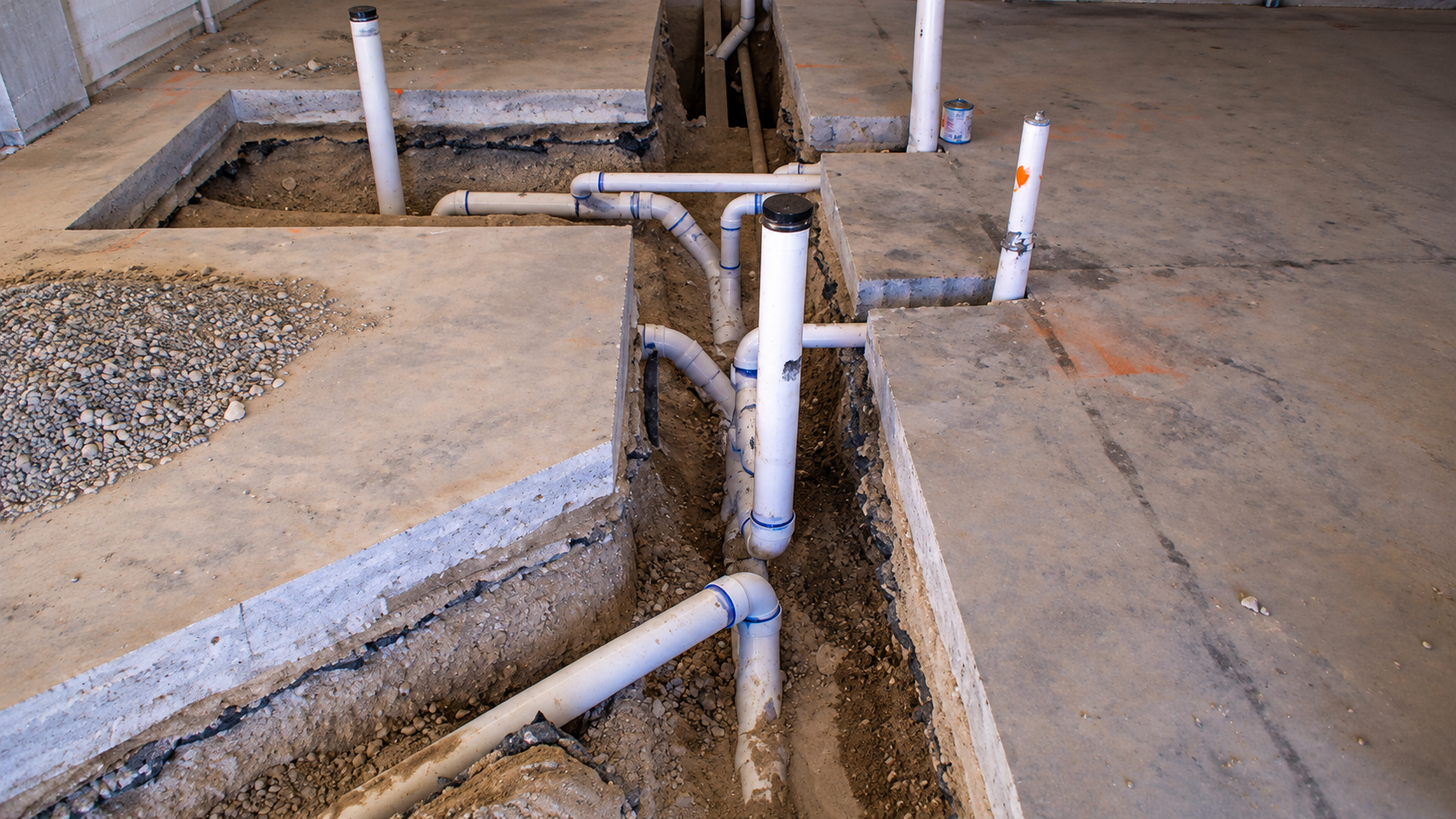
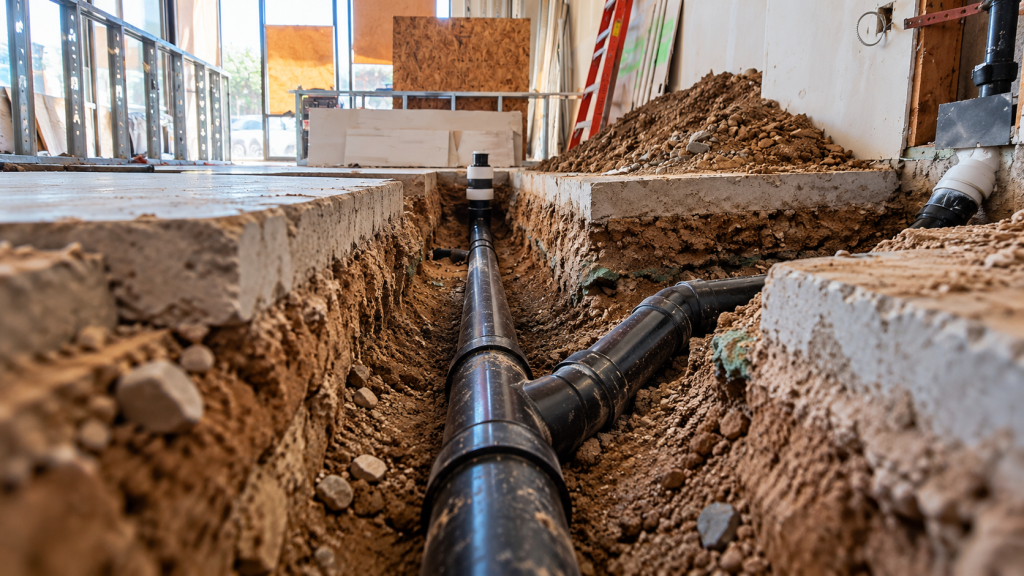
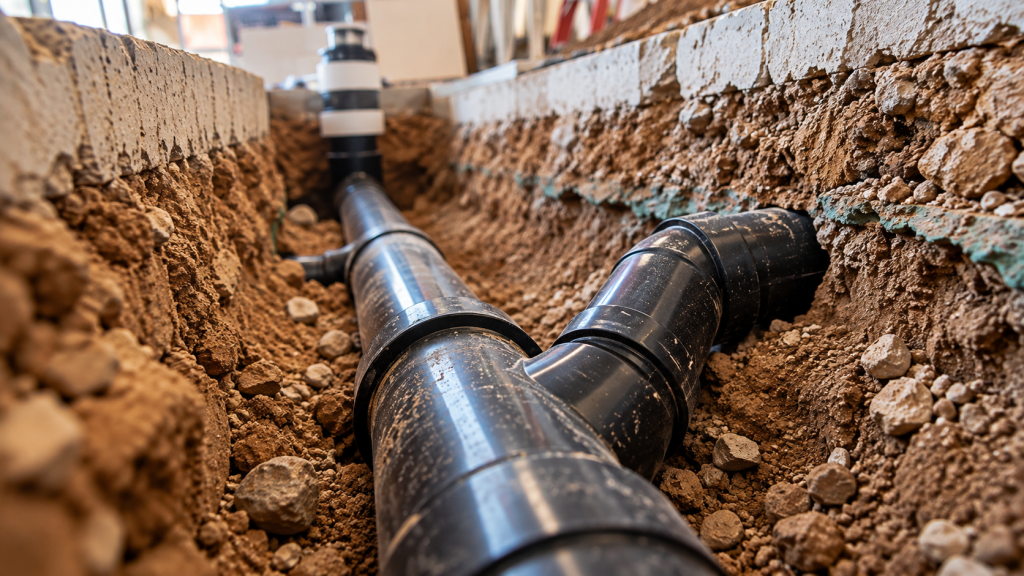
The sewer side matters just as much. The building drain must slope correctly to reach the sewer stub or main. In a shell suite, the crew usually cuts a strip of concrete, excavates a trench, and runs new pipe to each fixture. Then the line ties into the sewer stub. If the stub sits too high or too far away, the layout gets harder. So check the stub’s depth and location during your first site visit.
San Tan Valley Plumbing and Backflow Prevention
Utilities require backflow prevention to protect the public water supply. Most commercial services need a backflow preventer near the meter. In addition, some fixtures, such as soda machines and coffee brewers, need their own devices. A certified tester must check each assembly after installation and every year after that. Plan space for these devices so they stay easy to reach.
Grease and Food Service Needs
If your store serves food, the sewer plan grows more complex. Even a small café may need a grease trap or a larger interceptor to keep fats and oils out of the sewer. The utility and county decide what size you need. So hand the plumber your menu and equipment list during design. For a deeper look, see our page on restaurant plumbing services.
San Tan Valley Plumbing Permit Steps
The permit process usually follows a set path. First, a designer prepares plumbing plans with fixture counts, pipe sizes, and riser diagrams. Next, the plans go to Pinal County for review. At the same time, the utility reviews any new meter or sewer tap. After approval, the plumber can start work. Inspectors then check the underground pipe, rough-in, and final fixtures. Each step takes time, so build it into your schedule.
Impact Fees and Connection Charges
New water and sewer connections often come with fees. Utilities may charge capacity fees, meter fees, and tap fees. In addition, some areas charge development impact fees. These can add up quickly for a growing business. So ask the landlord and utility for a fee estimate before you commit. A clear number keeps your San Tan Valley plumbing budget free of surprises.

Coordinating With the General Contractor
The plumber works closely with the general contractor. Trenching, rough-in, and inspections must happen before the slab gets patched and before walls close. In addition, the plumber needs to know where the electrician runs conduit in the same trench area. A shared schedule keeps everyone in step. Our page on build-out plumbing explains how the trades fit together.
Water Heaters for Retail Spaces
Most retail stores need only a small water heater for restrooms and a break sink. Tankless or small electric units work well for low demand. However, stores with food prep need more hot water. So size the heater to your actual use. An oversized unit wastes energy, while an undersized one leaves staff waiting for warm water.
Desert Conditions and Pipe Protection
Pinal County summers bring intense heat, and soils can shift. Plumbers bed pipe in clean fill and slope it carefully to avoid sags. In addition, exposed lines outside the building need protection from sun and heat. Hose bibs and backflow devices may need shade or covers. Small steps like these help San Tan Valley plumbing systems last.
San Tan Valley Plumbing Timeline
A simple retail suite with existing stubs can wrap up its San Tan Valley plumbing in a short window. However, a new meter, a long sewer run, or a grease interceptor can stretch the timeline. Utility reviews often take the longest. So start the utility paperwork the same week you start design. That overlap can save a month or more.
Budget Tips for Retail Tenants
Plumbing costs depend on fixture counts, trench length, meter size, and fees. Simple stores cost far less than food-service spaces. To control costs, place restrooms and sinks close to the sewer stub. Also, reuse existing stubs where you can. Our pricing guide lists typical ranges per square foot.
Hiring a Licensed Plumber
Commercial plumbers in Arizona must hold a Registrar of Contractors license. Verify the number online before you sign anything. In addition, ask for references from recent Pinal County or East Valley projects. A plumber who knows local utilities and inspectors can save you weeks.
San Tan Valley Plumbing Checklist
- Read the landlord’s work letter for existing stubs
- Confirm the water and sewer provider for your address
- Count fixture units and check the meter size
- Locate the sewer stub and check its depth
- Plan backflow devices and grease control
- Submit plans to Pinal County and the utility together
- Ask for fee estimates before signing
- Hire a licensed plumber with local experience
Open Your Store on Schedule
Water and sewer connections set the pace for a retail build-out in San Tan Valley. When you plan them early, confirm your provider, and keep the utility in the loop, the rest of the job flows smoothly. To learn more, visit our Phoenix area plumbing page, or reach out to our team for a quote.