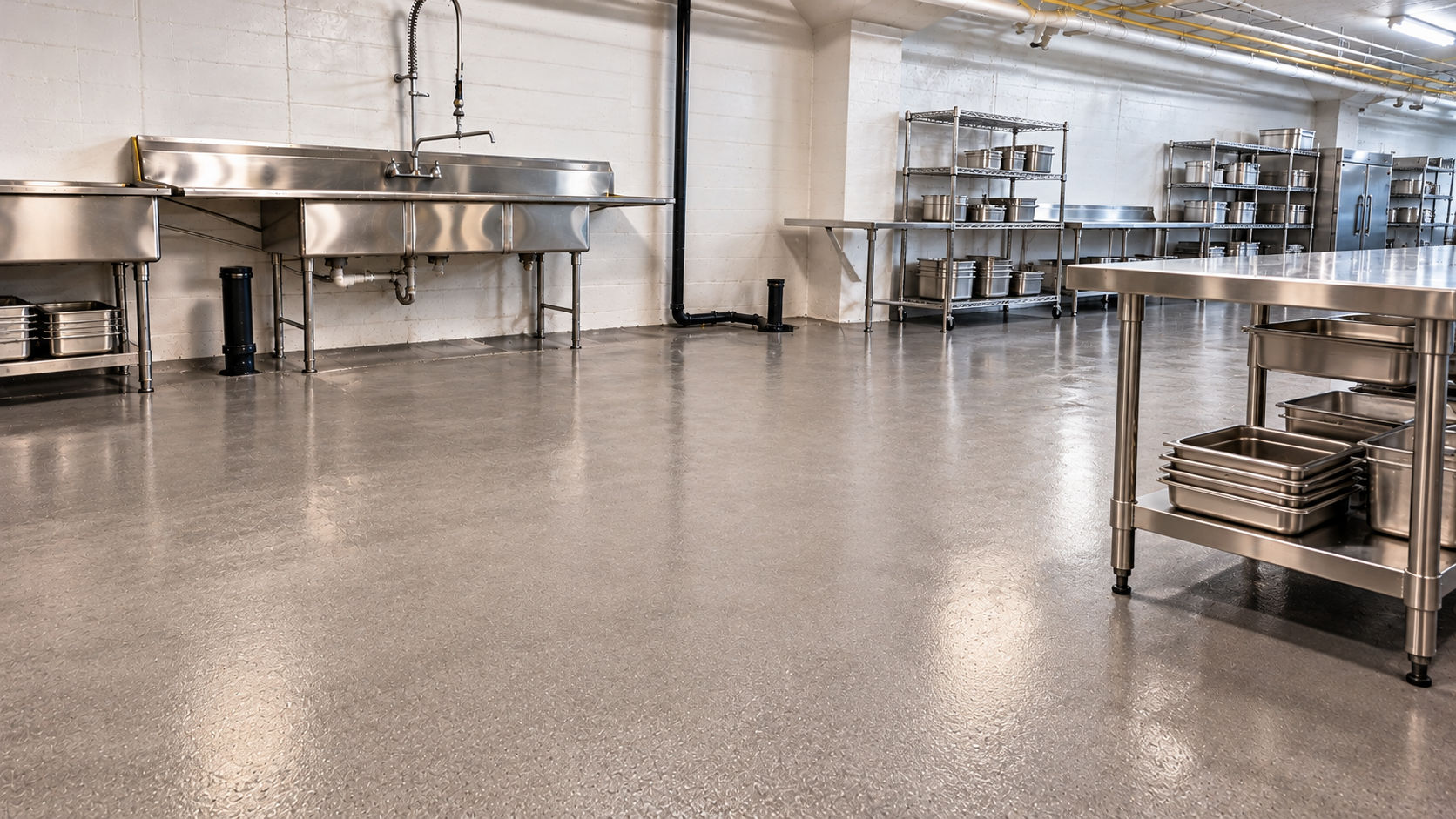
Agritopia restaurant plumbing has a big job: keeping grease out of the drains while the kitchen turns out farm-fresh meals all day. Agritopia, the urban farm community in central Gilbert near Higley Road and Ray Road, is known for its farm-to-table dining, cafes, and the busy Epicenter shops. Restaurants here often feature open kitchens, scratch cooking, and heavy use of fryers and grills. All of that means grease, and lots of it. This guide explains how to coordinate grease waste and kitchen drainage during a restaurant build-out in Agritopia.
Owners, chefs, kitchen designers, and contractors will find the main steps below.
Why Grease Control Comes First
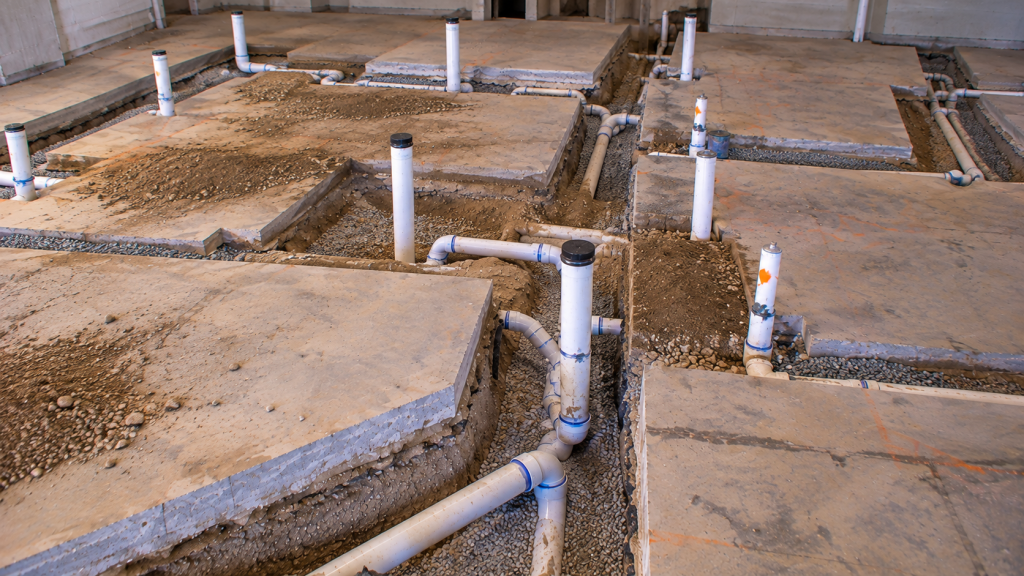
Fats, oils, and grease, often called FOG, flow down kitchen drains as warm liquid. Then they cool, harden, and stick to pipe walls. Over time, they narrow the pipe and cause backups inside the restaurant and blockages in the city sewer. Because of this, cities and counties require grease control for food service. Planning it from day one avoids failed inspections and costly backups.
Agritopia Restaurant Plumbing: Interceptor or Trap?
There are two main types of grease control:
- Grease interceptors are large tanks, often buried outside, that serve many fixtures
- Grease traps are smaller units, often under a sink, that serve one or two fixtures
Larger, busier kitchens usually need an outdoor interceptor. Smaller cafes may use indoor traps where allowed. The local rules and your fixture count decide which one you need.
Agritopia Restaurant Plumbing: Sizing the Interceptor
The interceptor must be large enough to hold grease long enough for it to separate from water. How big it must be comes down to what feeds it: pot sinks, prep sinks, mop basins, and floor drains. In addition, local codes set minimum sizes. Undersizing leads to frequent pumping and overflows. Our article on grease interceptor sizing and siting covers this in more depth.
Which Fixtures Drain to Grease Control
Not every drain should go to the interceptor. Fixtures that carry grease, like pot sinks, prep sinks, and floor drains in cooking areas, usually do. However, restrooms and hand sinks often should not, since they add volume without grease. Dishwashers are a special case, as hot water can push grease through. So the plumber and designer must map each fixture carefully.
Agritopia Restaurant Plumbing and Kitchen Drainage Layout
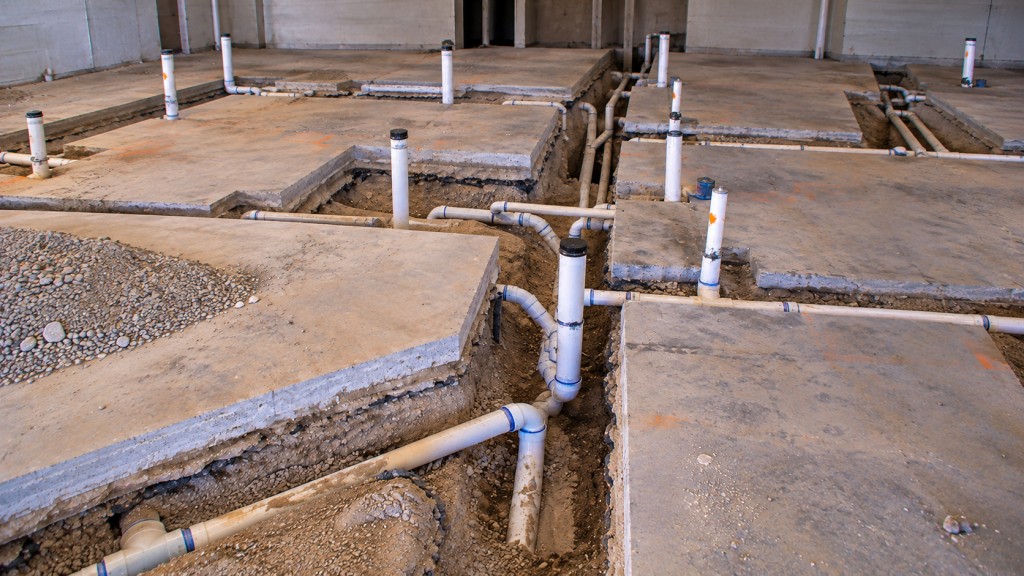
Kitchen drains must flow by gravity to the grease line and then to the sewer. So the layout of cooking, prep, and dish areas affects the drain routes. Floor drains should sit where spills happen, and floors should slope toward them. In addition, floor sinks receive indirect waste from equipment through air gaps. A clear drain plan keeps the kitchen dry and the inspector happy.
Open Kitchens and Display Cooking
Many Agritopia restaurants show off their kitchens to diners. Open kitchens look great, but they still need hidden floor drains, sinks, and grease lines. Drains may run under seating areas or display counters to reach the main line. Planning these routes early keeps the open kitchen clean and functional while hiding the plumbing from view.
Placing the Interceptor for Agritopia Restaurant Plumbing
Outdoor interceptors need space and access. They must sit where pump trucks can reach them for regular cleaning, often near the back of the building or in a parking area. In addition, the lid must handle vehicle loads if it sits under a drive aisle. In shared centers, the landlord may already have an interceptor, so ask whether it has room for your kitchen.
Agritopia Restaurant Plumbing and Hot Water
Hot water helps cleaning but can push grease past the interceptor if it is too hot. So some designs separate dishwasher drains or add cooling steps. At the same time, the kitchen needs enough hot water for hand sinks and dish areas. Balancing these needs is part of good restaurant plumbing design.
Agritopia Restaurant Plumbing Maintenance and Pumping
Grease control only works if it is maintained. Interceptors must be pumped on a regular schedule, often monthly or quarterly, depending on use. Indoor traps may need cleaning weekly. In addition, many jurisdictions require records of pumping. So set up a service contract before opening and keep records on site.
Farm-to-Table Prep and Produce Washing
Agritopia kitchens often wash large amounts of fresh produce from nearby farms. That means busy prep sinks, lots of water, and soil or plant debris in the drains. So prep sinks need strainers to catch debris before it reaches the line. In addition, some kitchens add a dedicated produce sink apart from the meat prep area to avoid cross-contact. Planning these details helps the kitchen stay clean and keeps drains clear.
Bakeries and Coffee Bars
Not every food tenant fries food. Bakeries and coffee bars still create grease from butter, milk, and pastries. They may need smaller grease traps rather than a large outdoor interceptor. However, the rules depend on the menu and the fixture count. So share your menu and equipment list with the plumber early. That way, the grease plan fits your real use.
Patio Dining and Outdoor Service
Many Agritopia restaurants offer patio seating. Outdoor service stations may need a hand sink or a small bar sink. Patio drains also handle rain and cleaning water. If an outdoor bar serves food, its drains may need grease control too. Plan these areas with the main kitchen so the drain system works as one.
Staff Habits That Protect Drains
Good habits reduce grease in the drains. Scrape plates into the trash before washing. Wipe greasy pans with paper towels. Store used fryer oil in a recycling container, not the sink. Train every new hire on these steps. Simple habits save money on pumping and prevent backups.
Permits and Health Review
Restaurants in Gilbert go through building permits and inspections with the Town of Gilbert, plus health review with Maricopa County. Grease control is a key item in both reviews. The county’s food safety program outlines the plan review steps. Allow time for both reviews in your schedule.
Also, post a short grease guide near the dish area so new staff learn the rules on their first day.
Budgeting Grease Control
Outdoor interceptors are among the largest costs in a restaurant build-out, especially if pavement must be cut. Sharing a center interceptor, when possible, saves money. In addition, placing grease fixtures close together shortens drain runs. Our restaurant plumbing services page explains common choices.
In the end, a clean grease plan protects the kitchen, the center, and the city sewer at once.
Common Grease and Drainage Mistakes
- Undersizing the interceptor for the menu
- Sending restroom drains to grease control
- Placing the interceptor where trucks cannot reach it
- Skipping a pumping contract before opening
- Letting staff pour fryer oil down the sink
Grease and Drainage Checklist
- Decide between an interceptor and traps
- Size grease control for your fixtures and menu
- Map which drains go to grease control
- Slope floors toward floor drains
- Place the interceptor for easy pumping
- Set up a maintenance contract
- Train staff on grease habits
Keep Your Kitchen Flowing
Smart Agritopia restaurant plumbing keeps grease out of your pipes and your kitchen open every day. Opening a kitchen near the Epicenter? See our Gilbert and East Valley plumbing services or send us your kitchen layout.