University Heights plumbing renovations usually begin with a simple question: what shape are the pipes in? University Heights, the Tempe area just south of Arizona State University’s main campus, mixes older commercial buildings, converted homes used as offices, and small retail strips that serve students and neighbors. Many of these buildings have pipes that are decades old. Before you renovate, it pays to know whether the existing water and drain lines can handle your plans. This guide explains how to evaluate them.
Building owners, business tenants, and contractors can use it before any walls come down.
Why Older Pipes Deserve a Close Look
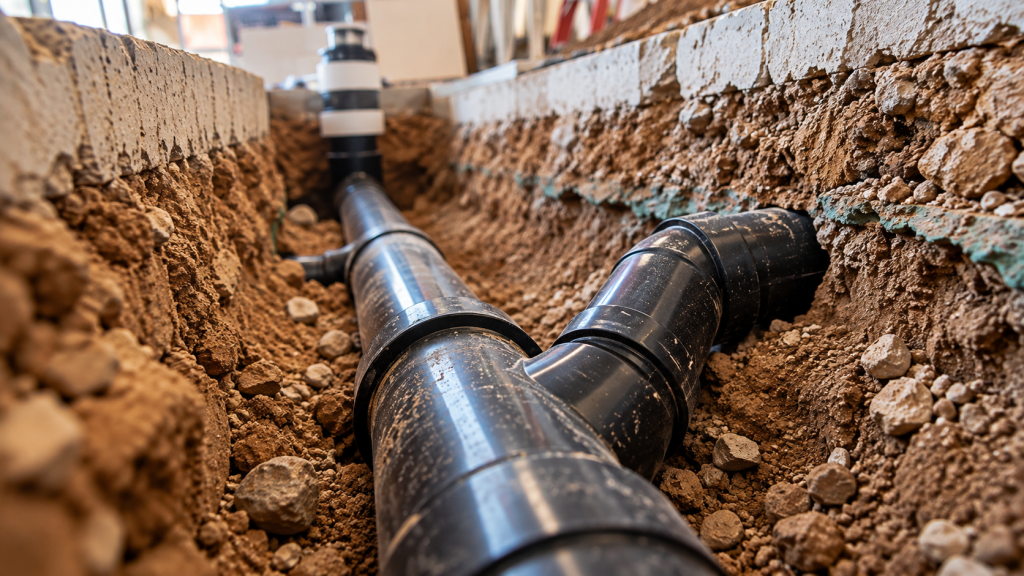
Of course, pipes do not last forever. Galvanized steel water lines rust inside and slowly choke the flow. Likewise, cast iron drain lines can crack, corrode, or sag. Old clay sewer laterals can shift or let in roots. When you add new fixtures or change a layout, these weak points often fail. So checking the existing system first can save you from leaks, backups, and surprise costs mid-project.
Common Pipe Types in Older Tempe Buildings
You may find several kinds of pipe in a University Heights building:
- Galvanized steel water lines, common in older buildings
- Copper water lines, usually in better shape but sometimes thin
- Cast iron drain and vent lines under slabs and in walls
- Clay or Orangeburg sewer laterals in some older sites
- PVC and PEX from more recent repairs or remodels
Each type has its own lifespan and failure signs.
University Heights Plumbing Renovations: Start With a Walk-Through
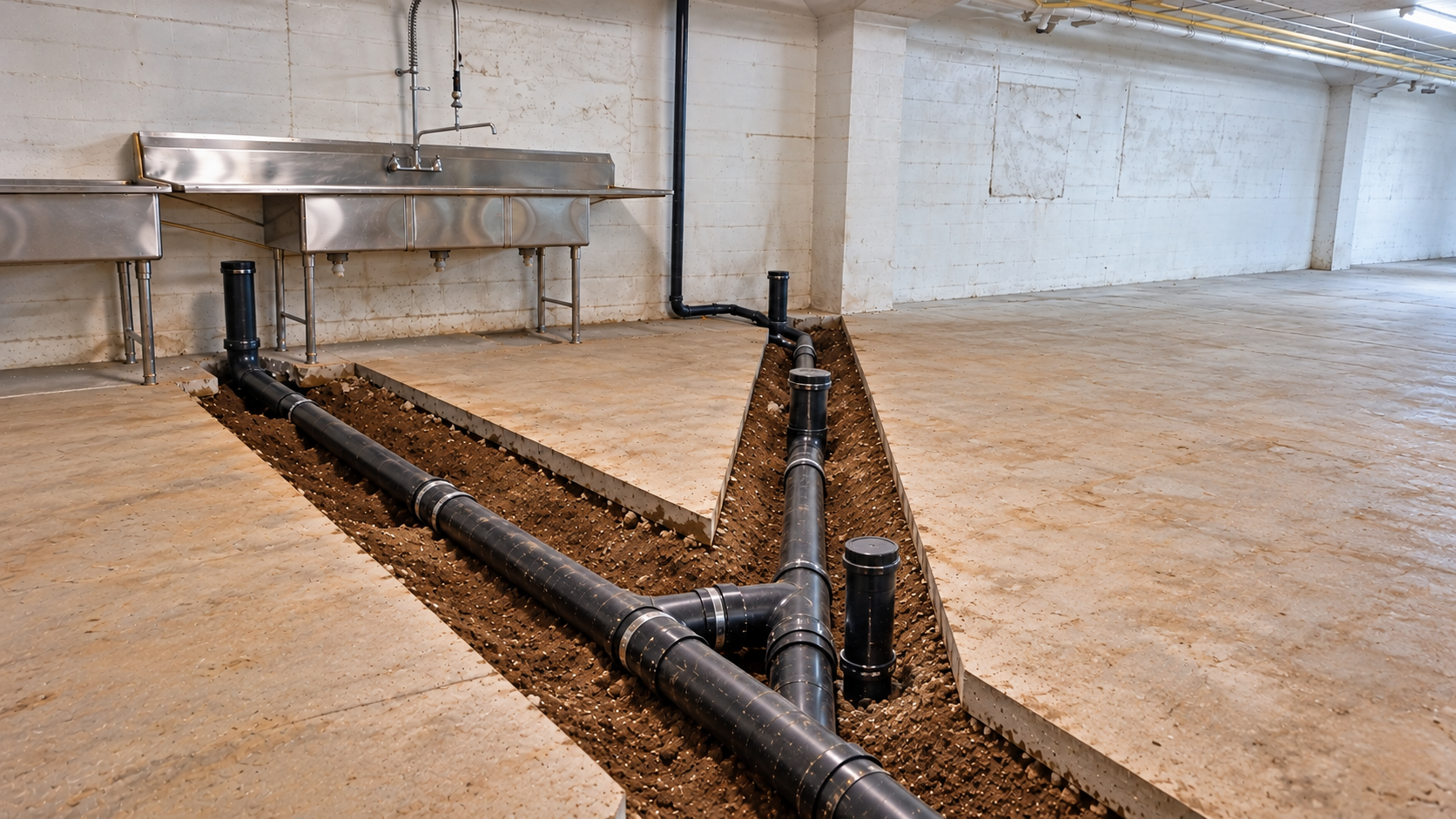
First, walk the building with a licensed plumber. They will look at exposed pipes, test water pressure, check for leaks, and note the pipe materials. In addition, they will look at the water heater, shutoff valves, and fixtures. This walk gives you a quick picture of the system’s health and points to areas that need a closer look.
Testing Water Pressure in University Heights Plumbing Renovations
Often, low pressure is the first sign of old water lines. Rust and scale build up inside galvanized pipes, which narrows the space for water. A plumber can test pressure at the meter and at fixtures. If pressure drops a lot between the two, the pipes in between may be clogged. In addition, discolored water when you first turn on a tap can point to rust inside the lines.
Camera Inspection of Drain Lines
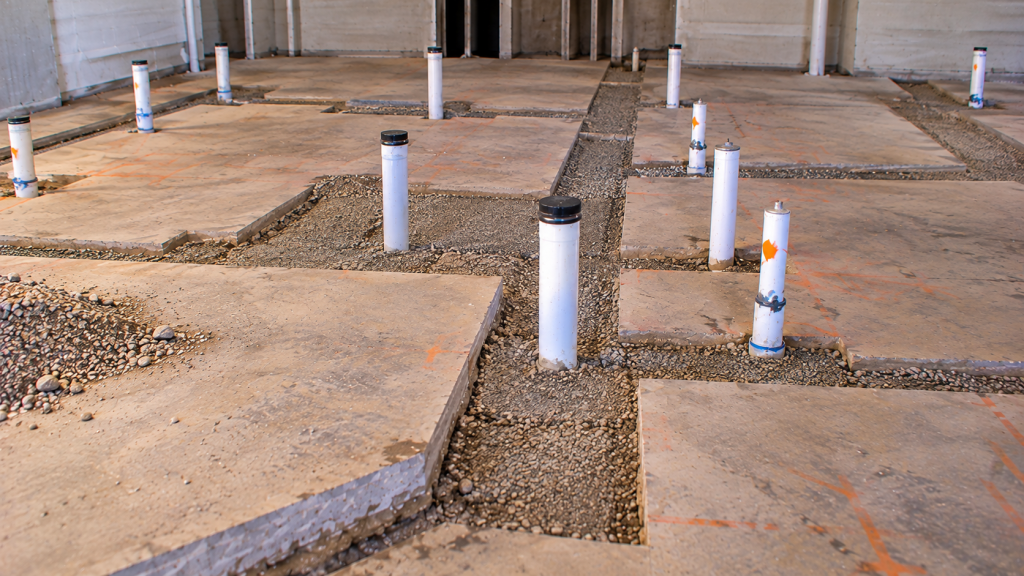
Unfortunately, drains hide most of their problems out of sight. So plumbers use small cameras on long cables to look inside them. A camera inspection can show cracks, sags called bellies, root intrusion, grease buildup, and collapsed sections. It also shows where lines run and how deep they are. For any building with older cast iron or clay pipes, a camera inspection is money well spent.
University Heights Plumbing Renovations and Sewer Laterals
Next, consider the sewer lateral, which carries waste from the building to the city main. In older neighborhoods, these lines may be clay or old cast iron. Tree roots, ground movement, and age can damage them. If the lateral fails, the whole building backs up. So include the lateral in your camera inspection. Repairing it before a renovation is easier than dealing with a backup after the new space opens.
Vent Lines and University Heights Plumbing Renovations
In addition, every drain needs a vent to let air in and keep water flowing. Old vent lines can rust, crack, or get blocked by debris and nests. Poor venting causes slow drains, gurgling sounds, and sewer smells. A plumber will check where vents run and whether they are clear. If your renovation adds fixtures, new vents may be needed too.
Deciding What to Keep and What to Replace
After testing, you will finally have a clear picture. Some lines may be fine to keep. Others may need spot repairs. In many older buildings, the best choice is to replace old galvanized water lines with copper or PEX and to repair or line damaged drains. Our article on commercial re-piping explains when full replacement makes sense.
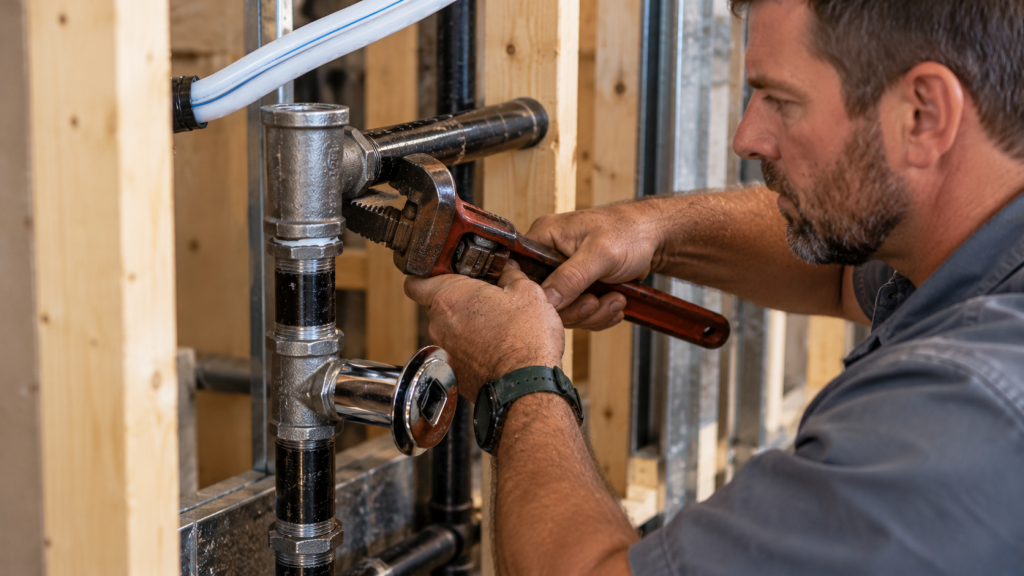
University Heights Plumbing Renovations for Restaurants and Cafes
Many University Heights spaces become cafes, coffee shops, and quick-service restaurants serving the campus crowd. Food uses put heavy demand on drains, especially with grease. Older drain lines may not handle that load. So a renovation for a food tenant should include camera inspections, possible drain upgrades, and a grease interceptor. Health review through Maricopa County also requires proper sinks and drainage.
Converted Homes Used as Offices
Some buildings in the area started as houses and now serve as offices or studios. Their plumbing was designed for a family, not a business. Restroom counts, accessibility, and water heater size may all fall short. In addition, old plumbing may run through crawl spaces or under raised floors. Evaluating these systems carefully helps you plan upgrades that meet commercial code.
University Heights Plumbing Renovations and Water Heaters
Old water heaters are another weak spot. Many older buildings still run tanks that are near the end of their life. Signs include rust at the base, rumbling noises, and water that will not stay hot. So check the age and condition of the heater during your evaluation. If the renovation adds fixtures, the heater may also be too small. Replacing it as part of University Heights plumbing renovations is easier than an emergency swap later.
Hidden Leaks Under Slabs
Leaks under a concrete slab can run for months without anyone noticing. Signs include warm spots on the floor, higher water bills, damp flooring, and the sound of running water when fixtures are off. A plumber can use listening tools and pressure tests to find them. As a result, you can fix the leak before new flooring goes down.
Shutoff Valves and Access
Older buildings often have shutoff valves that are stuck, broken, or hidden. During a renovation, crews need to turn off water to work safely. So test every valve early. Replace any that do not close fully. In addition, add access panels where valves sit inside walls. This small step makes future repairs much faster.
Permits and Inspections in Tempe
Most plumbing renovations in Tempe need a permit from the City of Tempe’s building department. Replacing pipes, adding fixtures, or changing drains usually requires plans and inspections. Your plumber or general contractor should handle this. For general code background, the IAPMO publishes plumbing code resources used across the West.
University Heights Plumbing Renovations Costs
Naturally, costs depend on what you find. A system in good shape may need only minor repairs. However, replacing old water lines or repairing a sewer lateral adds cost. Finding these issues early lets you budget for them and avoid change orders. Our cost guide explains common price factors.
Water Efficiency Upgrades
A renovation is a good time to install water-saving fixtures. Low-flow faucets and efficient toilets cut water bills, which matters in the desert. The EPA WaterSense program lists qualified products.
Evaluation Checklist
- Walk the building with a licensed plumber
- Identify pipe materials and ages
- Test water pressure and look for discoloration
- Run camera inspections on drains and the sewer lateral
- Check vent lines for blockages
- Decide what to keep, repair, or replace
- Plan permits before work starts
Common Mistakes to Avoid
- Skipping a camera inspection in an older building
- Adding fixtures without checking drain capacity
- Ignoring low water pressure
- Assuming the sewer lateral is the city’s problem
- Waiting until walls are open to plan pipe replacement
Renovate With Confidence
A careful look at existing pipes makes University Heights plumbing renovations smoother and safer. For help evaluating your building, visit our Valley plumbing services or book an inspection.