
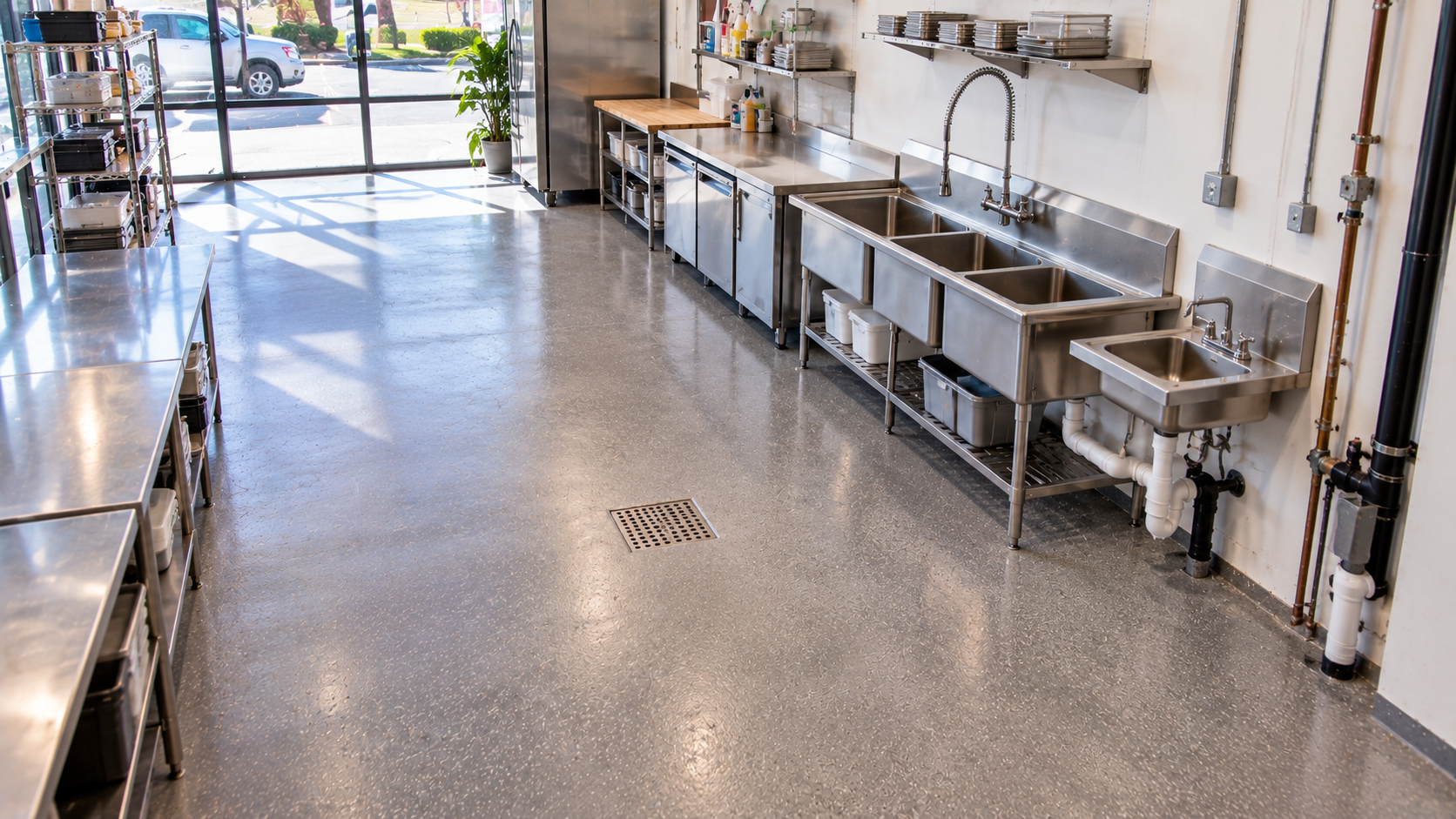
Troon restaurant plumbing has to keep a busy kitchen running while meeting strict health and building rules. The Troon area of North Scottsdale, near Pinnacle Peak and the Troon North golf courses, draws diners looking for upscale meals, patio dining, and quality cafes. Restaurants here invest heavily in their kitchens, and the plumbing behind those kitchens matters just as much as the equipment. This guide explains how to coordinate kitchen fixtures and drainage during a restaurant build-out in the Troon area.
It is meant for restaurant owners, chefs, designers, and general contractors.
Why Restaurant Plumbing Is So Complex
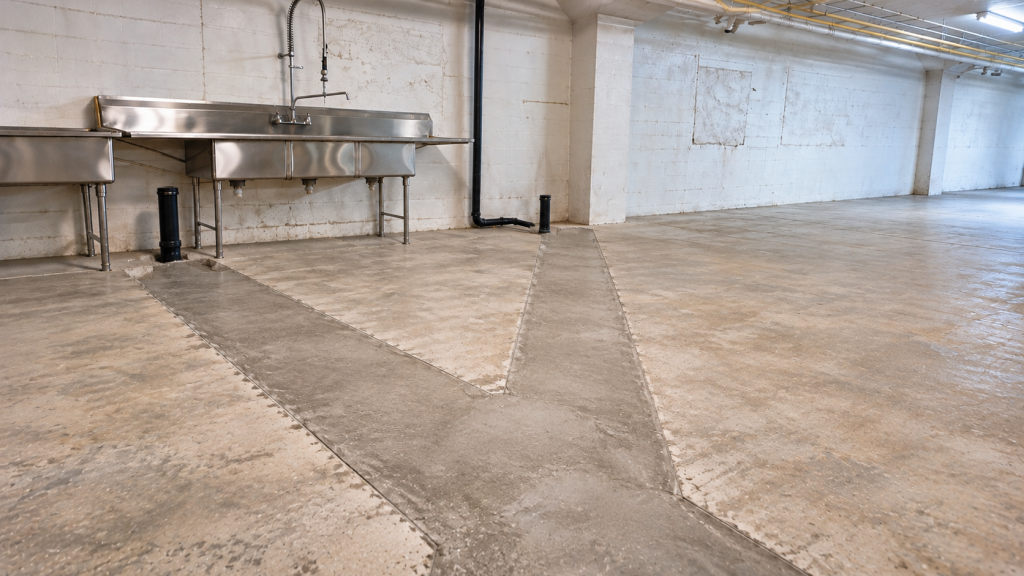
Kitchens use more water and send more waste down the drain than almost any other tenant. They need hand sinks, prep sinks, three-compartment sinks, dishwashers, ice machines, floor drains, and grease control. In addition, every fixture must meet health code rules for spacing, drainage, and backflow protection. As a result, restaurant plumbing needs careful planning from the very first sketch.
Troon Restaurant Plumbing Starts With the Kitchen Layout
The kitchen layout drives the plumbing design. Your designer and chef decide where cooking, prep, dishwashing, and storage happen. Then the plumber works out where drains, water lines, and vents must go. For example, dish areas need floor sinks and grease protection, while bars need sinks and ice machine drains. A solid layout now saves you from tearing up fresh concrete later.
Sinks Every Restaurant Needs
Health codes require several types of sinks:
- Hand sinks near prep and cooking areas, with hot and cold water
- Prep sinks for washing produce and food
- Three-compartment sinks for washing, rinsing, and sanitizing
- Mop sinks for cleaning floors and equipment
- Bar sinks if the restaurant serves drinks
Each sink has rules for location, drainage, and air gaps.
Troon Restaurant Plumbing: Floor Drains and Floor Sinks
Floor drains collect water from mopping and spills. Floor sinks receive indirect waste from equipment like ice machines, steam tables, and dishwashers. The difference matters. Equipment often must drain through an air gap into a floor sink to prevent backflow. So the plumber and kitchen designer should map every piece of equipment and its drain connection.
Troon Restaurant Plumbing and Grease Control
Grease is the enemy of drain lines. Fats, oils, and grease cool and harden inside pipes, causing backups. So restaurants need grease interceptors or grease traps. Larger kitchens often need an outdoor interceptor, while smaller ones may use under-sink units. The size depends on the number of fixtures and the amount of grease. Our article on grease interceptor sizing explains this step in more detail.
Hot Water for Troon Restaurant Plumbing
Restaurants need a lot of hot water for dishwashing, hand washing, and cleaning. Dishwashers may need booster heaters to reach sanitizing temperatures. So the plumber sizes the main water heater for peak demand, such as the dinner rush. Undersized heaters lead to cold water at hand sinks and failed inspections. A plumber will calculate demand from your fixture list.
Gas Lines and Kitchen Equipment
Many kitchens use gas for ranges, fryers, and ovens. Licensed plumbers size the gas pipe for the total load and install it to code. In addition, equipment connections often use flexible hoses with quick disconnects for cleaning. Coordinate gas, water, and drain connections for each piece of equipment so everything fits behind the cook line.
Troon Restaurant Plumbing for Bars and Patios
Many Troon-area restaurants feature bars and outdoor patios. Bars need sinks, ice bins, glass washers, and beer system drains. Patios may need hose bibs, drinking fountains, or outdoor sinks for service stations. Plan these early, since patio plumbing often runs through walls or under exterior slabs. In addition, protect outdoor lines from winter freezes in the higher desert.
Backflow Protection
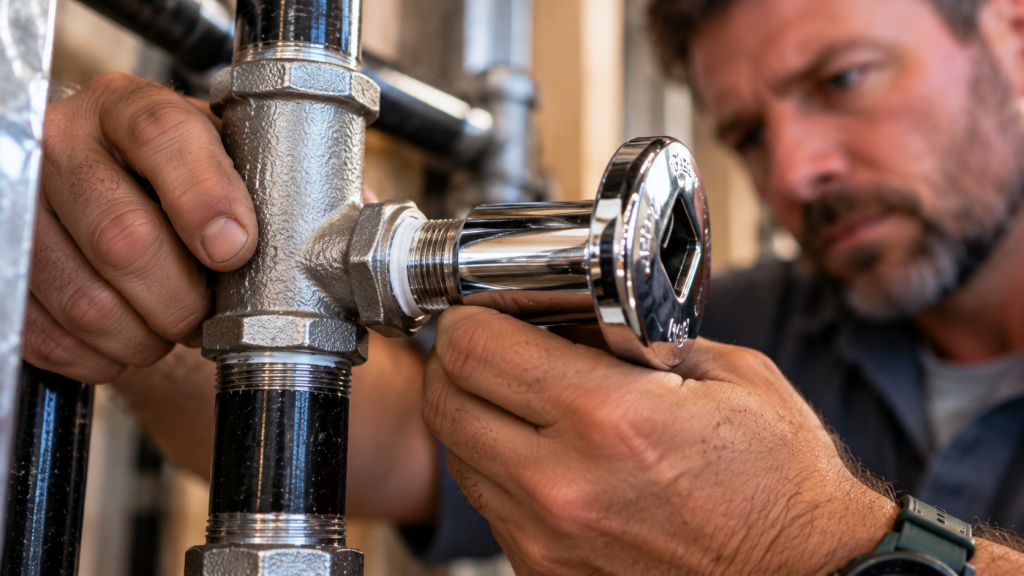
Kitchens connect many machines to the water supply. If pressure drops, dirty water could flow back into clean lines. Backflow devices stop that. Common spots include ice machines, coffee makers, soda systems, and dishwashers. Many need yearly testing by a certified tester. So plan the devices during design and keep test records on file for inspectors.
Water Quality and Filtration
Scottsdale water is hard, which means it carries minerals that build up in pipes and equipment. Scale can clog ice machines, coffee makers, and water heaters. So many restaurants add water softeners or filters. These protect equipment and improve the taste of coffee and ice. Ask your plumber where to place them so they are easy to service.
Health Review and Inspections
Restaurants in Scottsdale go through both building and health review. On the building side, the city issues permits and inspects the plumbing. On the health side, Maricopa County reviews the kitchen layout, sinks, and equipment before opening. The Maricopa County food safety program explains plan review steps.
Restrooms for Guests and Staff
Restaurants need restrooms for guests, and the number depends on seating. Each one must be accessible, with the right clearances, grab bars, and fixtures. In addition, staff need a place to wash up away from food prep. Upscale restaurants in the Troon area often choose higher-end fixtures, which may have longer lead times. So order them early to avoid delays at the end of the job.
Planning for Daily Cleaning
Kitchens get cleaned every night. Floor drains, hose stations, and mop sinks make this faster. Place drains where water naturally flows, and slope floors toward them. In addition, choose hose reels with backflow protection. A well-planned cleaning setup saves staff time and keeps inspectors happy.
Second-Generation Restaurant Spaces
Taking over a former restaurant can save money, since drains, grease interceptors, and gas lines may already exist. However, they may not match your layout or meet current code. So have a plumber inspect them. Camera inspections of drain lines can reveal grease buildup, cracks, or sagging pipes. Fixing these before opening prevents backups during your first busy weekend.
Scheduling Troon Restaurant Plumbing
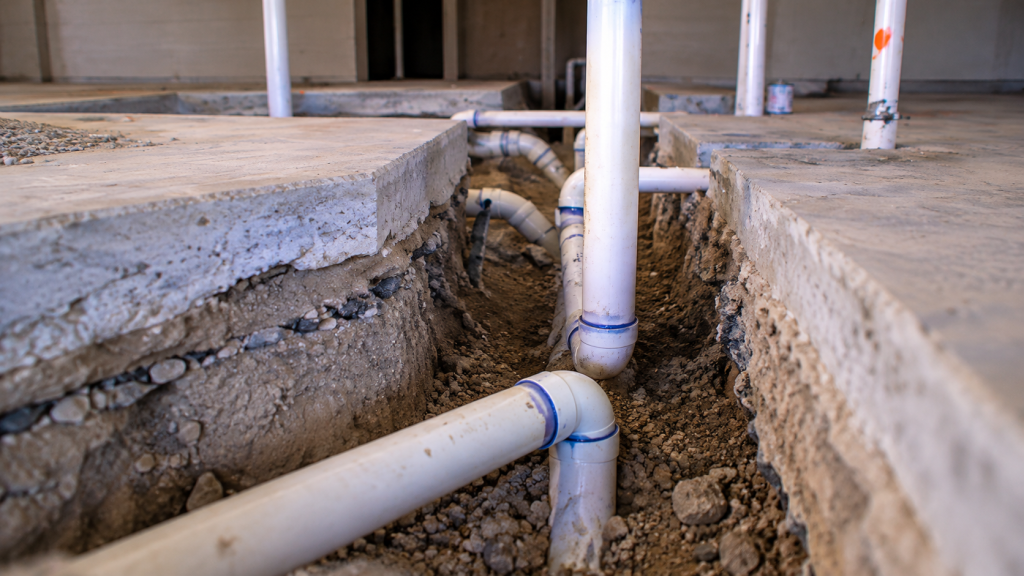
Kitchen plumbing happens in phases. Underground drains and the grease interceptor go in first. Next comes rough-in for water, gas, and vents. Then crews finish the walls and floors. Finally, equipment arrives and the plumber makes the final connections. Coordinating these steps with the equipment supplier and general contractor keeps the opening date on track.
Also, keep a copy of the final plumbing drawings in the restaurant office. They help future repairs go faster.
Budgeting Troon Restaurant Plumbing
Restaurant plumbing is one of the largest costs in a build-out. Grease interceptors, floor sinks, and long drain runs add up. Reusing existing lines and placing fixtures near the main drain help control costs. Our restaurant plumbing services page explains common options.
Common Kitchen Plumbing Mistakes
- Finalizing equipment after the slab is poured
- Missing air gaps on equipment drains
- Undersizing the water heater
- Skipping a camera inspection in an old restaurant space
- Placing hand sinks too far from prep areas
Restaurant Plumbing Checklist
- Finalize the kitchen layout first
- Map every sink, drain, and equipment connection
- Size grease control and water heaters correctly
- Plan gas, water, and drain at each station
- Include bar and patio plumbing
- Schedule health and building reviews
- Inspect existing lines in reused spaces
Build a Kitchen That Flows
Smart Troon restaurant plumbing keeps your kitchen clean, efficient, and inspection-ready. To plan your build-out, explore our Scottsdale commercial plumbing guide or reach out to our team.