
Plumbing subcontractor coordination can make or break a commercial construction schedule. Pipes run under the floor, through the studs, above the grid, and out the roof. It also depends on inspections that gate drywall, concrete, and finishes. When the general contractor and plumber plan together, the job flows. Without that teamwork, crews pile up, finished walls come back open, and opening dates slide. This guide covers scheduling, inspections, and day-to-day habits that keep plumbing subcontractors in sync.
Project managers, superintendents, and plumbing foremen can all use these ideas on their next job.

Why Plumbing Needs Special Attention
Most trades can adjust their routes. Electricians bend conduit around obstacles, and duct installers add offsets. Gravity drains, however, need a steady slope from start to finish. That makes them the least flexible system in the building.
Plumbing also has more inspection points than many trades. Underground, top-out, and final inspections each hold up other work until they pass. As a result, plumbing subcontractor coordination deserves a seat at the center of the schedule.
Plumbing Subcontractor Coordination Starts in Preconstruction
Good plumbing subcontractor coordination begins before the first saw cut. During preconstruction, the GC and plumber should:
- Walk the site and verify sewer and water connections
- Review drawings for clashes and missing details
- Identify long-lead items like fixtures, heaters, and interceptors
- Agree on scope boundaries with other trades
- Set target dates for each inspection
These early steps prevent surprises later. For instance, finding a shallow sewer during preconstruction is far cheaper than finding it after the slab is open.
Building a Look-Ahead Schedule
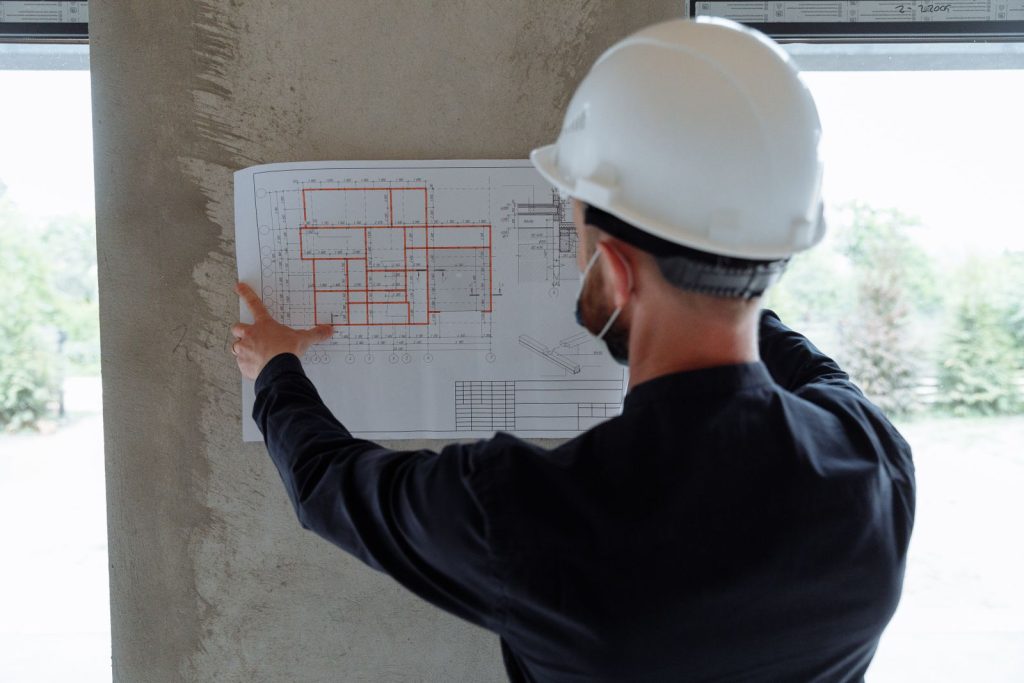
The master schedule shows the big picture. Yet day-to-day work needs a shorter view. A three-week look-ahead shows where each trade will work, which inspections are booked, and which deliveries are due.
Update the look-ahead every week. Then share it with every foreman. When the plumber can see that framing in Area B finishes Thursday, they can plan to start top-out there Friday. Likewise, the drywall foreman can see when the plumbing inspection will clear their next wall.
Trade Sequencing on a Typical Build-Out
Here is a common sequence on a tenant improvement:
- Demolition and slab scanning
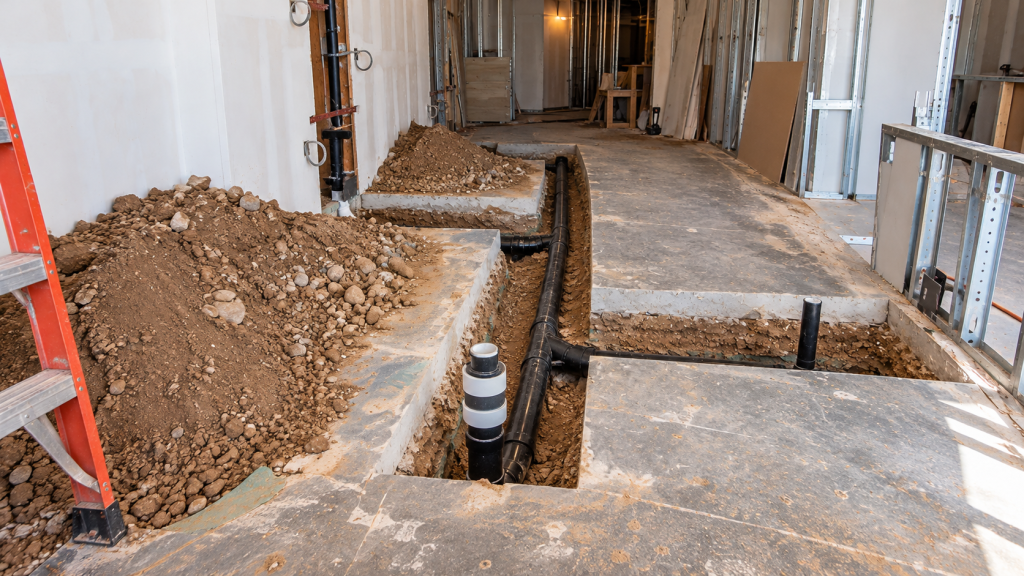
- Plumbing saw-cut, trench, and underground pipe
- Underground inspection
- Backfill and concrete patch
- Wall framing
- Plumbing, electrical, and HVAC rough-in
- Top-out and above-ceiling inspections
- Drywall, tape, and paint
- Ceilings, flooring, and casework
- Fixture setting and trim
- Final inspections
Each handoff is a risk point. Clear communication at each step keeps the line moving.
Inspections and Plumbing Subcontractor Coordination
Inspections are often the hidden bottleneck. Many cities need advance notice, and busy seasons stretch wait times. Therefore, plumbing subcontractor coordination should include an inspection calendar.
Before calling an inspection, the plumber should test their own work. The GC, in turn, should confirm access and clear the area. If an inspection fails, both sides should agree on a fast fix and recheck date. Small delays here ripple into every following trade.
Plumbing Subcontractor Coordination in Ceilings
Above the grid, space runs out quickly. Sprinkler mains, supply ducts, light fixtures, data trays, and drain lines all want the same few feet. To avoid clashes, many GCs lay out each trade’s routes on a combined drawing. On larger jobs, they may use 3D models.
The general rule is simple: drains first, then large ducts, then everything else. Agree on this priority early, and enforce it in the field.
Daily Talk for Plumbing Subcontractor Coordination
In general, short, regular updates beat long, rare meetings. Many teams use a quick daily huddle and a longer weekly coordination meeting. In addition, a daily report from the plumbing foreman helps the GC track progress.
A good daily report includes:
- Crew size and areas worked
- Materials received
- Inspections requested or completed
- Problems found and help needed
- Plan for tomorrow
Changes and Plumbing Subcontractor Coordination
Change is normal. An owner might relocate a lavatory, add a juice bar, or swap to sensor faucets. Any of these can reroute pipe or shift an inspection.
Ideally, the plumber returns a price and a time impact within a day or two. Then the GC secures the owner’s written okay before crews start. Keeping a change log avoids confusion at billing time.
Safety Coordination
Plumbing work brings real hazards: open trenches, silica dust from saw-cutting, overhead work on lifts, and hot work for soldering. Plumbing subcontractor coordination must include safety. The GC’s site safety plan should cover each task, and the plumber’s crew should follow it.
Federal rules from OSHA cover trenching, silica, and work on lifts. Daily safety talks and clear barricades help keep everyone safe.
Closeout Coordination
At the end of the job, the plumber should deliver as-built drawings, warranties, manuals, and test reports. The GC folds these into the owner’s closeout package. Start collecting them early so closeout does not drag.
Working in Occupied Buildings
Many build-outs happen next to open businesses. That adds another layer to plumbing subcontractor coordination. Water shutdowns must be planned with the landlord. Noisy saw work may need to happen at night. Shared halls and elevators need protection.
So add these items to the look-ahead schedule. List each shutdown, the tenants it affects, and the notice date. Then confirm the plan with the landlord a few days ahead. A missed notice can turn a quiet night of work into an angry morning phone call.
Tools That Make It Easier
You do not need fancy software to coordinate well. A shared online calendar shows inspections and deliveries. Quick questions move fast on a group text thread. A photo folder stores pictures of open walls before drywall. Together, these simple tools keep everyone on the same page.
On larger jobs, teams may add 3D clash detection or project management apps. Still, the basics matter most. Clear plans, quick answers, and steady follow-up do more than any tool.
Who Owns Each Task
Clear ownership speeds everything up. First, the GC owns the master schedule and the inspection calendar. Next, the plumbing foreman owns daily progress, testing, and material orders. Finally, the owner’s rep owns fixture choices and change approvals. In return, everyone gets faster answers. When each person knows their job, nothing waits on a missing decision.
Keeping Fixtures on Track
Fixtures often arrive at the very end, yet they must be ordered near the start. So add every fixture, heater, and interceptor to a simple delivery log. Review it at each weekly meeting. If a date slips, there is still time to pick another model or adjust the sequence.
Lessons From Jobs That Went Wrong
Most plumbing delays follow the same few patterns. Drywall starts before the top-out inspection, so walls get cut open again. Ducts get hung where drains needed to slope, so one trade has to tear out work. Fixtures arrive two weeks late, so the opening slips. Each of these could have been caught at a weekly meeting. That is the real value of steady coordination.
Signs Coordination Is Working
- Inspections pass on the first try
- Walls rarely get reopened
- Fixtures arrive before they are needed
- Trades start on time after each handoff
- The punch list stays short
FAQ on Plumbing Subcontractor Coordination
How often should the GC meet with the plumber?
Weekly at a minimum during active work, plus quick daily check-ins on busy jobs.
What is the biggest cause of plumbing delays?
Failed or late inspections, followed by late fixtures and clashes in ceilings.
Work With a Coordinated Plumbing Team
Strong coordination saves time, money, and stress. Read about our role as a plumbing subcontractor, or schedule a preconstruction call with us.