
Plumbing cost per square foot is one of the first numbers owners and brokers ask for when planning a tenant improvement. It is a useful starting point. Yet it can also mislead, because plumbing cost depends far more on fixtures and site conditions than on floor area. This guide explains how to use the metric wisely, what pushes the number up or down, and how to turn a rough estimate into a realistic budget for your build-out.
Whether you are leasing a small office or a full-service restaurant, these tips will help you plan with fewer surprises.
Why Use Plumbing Cost per Square Foot?
Early in a lease negotiation, there are no drawings yet. Still, owners need a ballpark to compare spaces and size the TI allowance. A per-square-foot figure gives that quick estimate.
It works best when you compare similar uses. For example, two office suites with one restroom each will likely land in a similar range. However, comparing an office with a restaurant using the same number makes little sense. The restaurant may need ten times more plumbing.
Why the Metric Can Mislead
In reality, plumbing does not spread evenly across a floor. Instead, it concentrates in a few wet areas. A 10,000-square-foot warehouse with two restrooms may have the same plumbing scope as a 2,000-square-foot office with two restrooms. Divided by area, the warehouse looks cheap and the office looks expensive.
That is why experienced estimators also look at cost per fixture and cost per restroom. These measures track the real work more closely.
What Drives Plumbing Cost per Square Foot
Several factors push plumbing cost per square foot up or down:
- Use type: Restaurants, medical, and labs cost the most. Offices and retail cost less.
- Fixture count: More restrooms and sinks mean more pipe and labor.
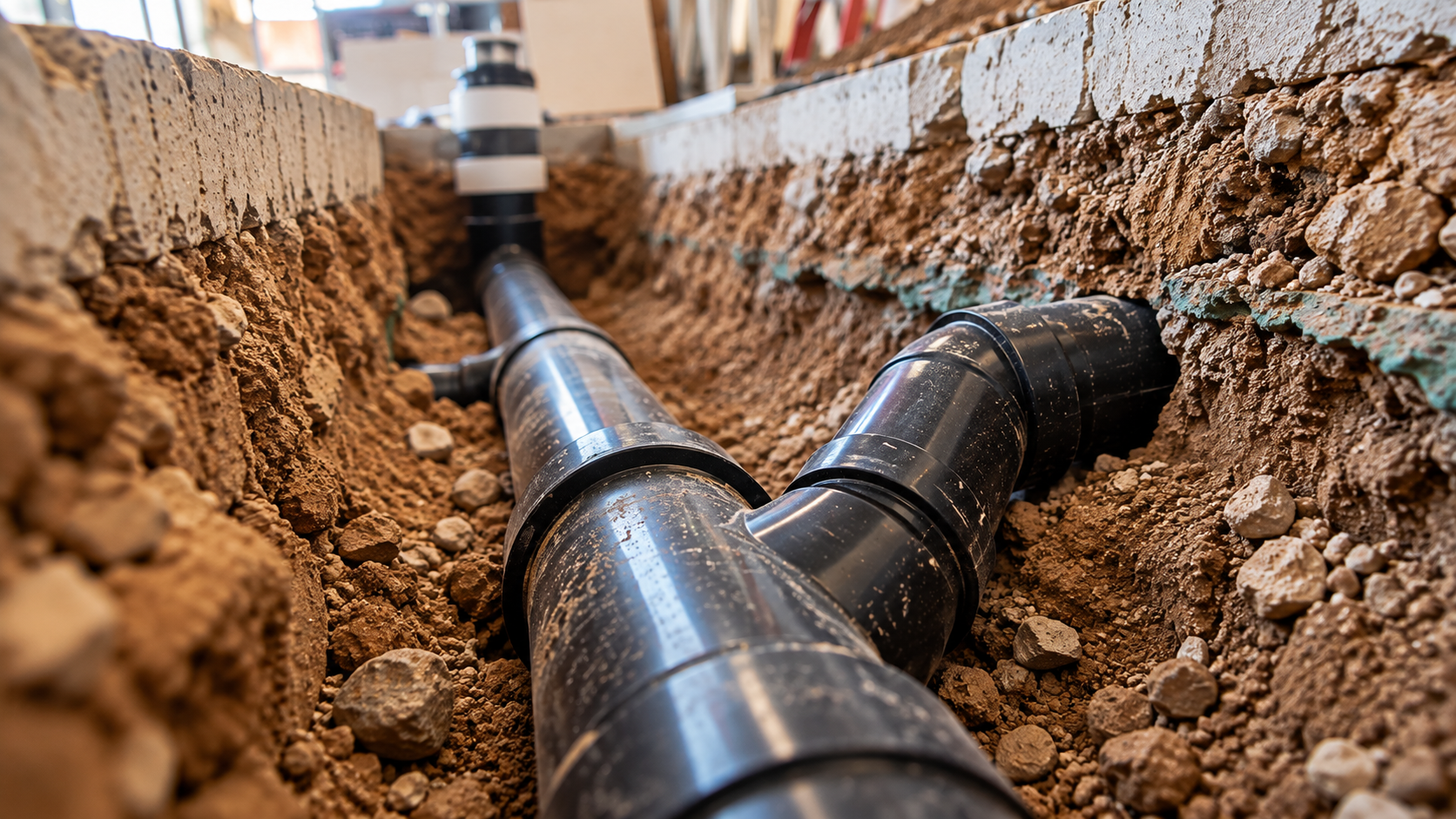
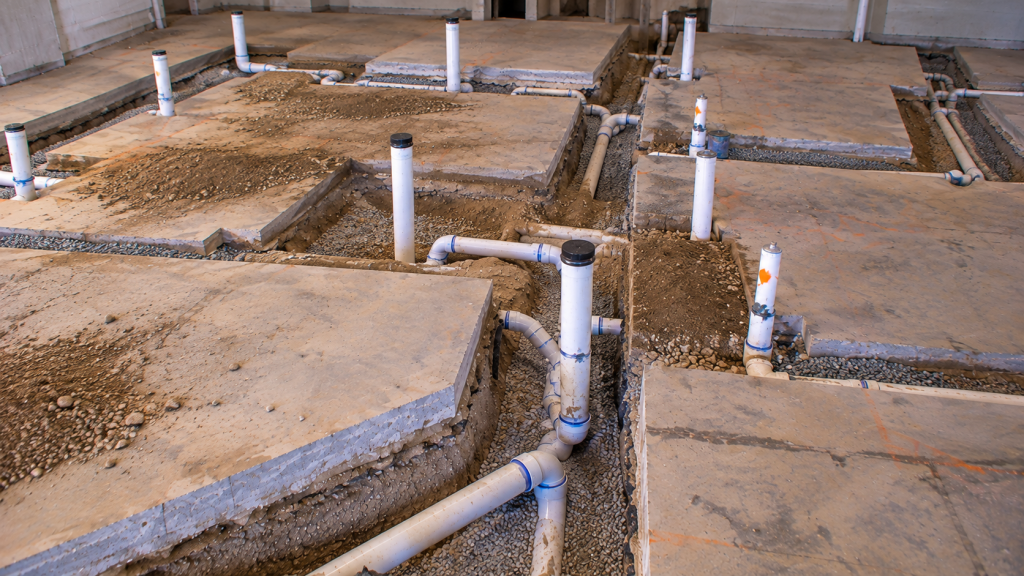
- Distance to the sewer: Long drain runs need more trenching.
- Slab type: Post-tensioned slabs need scanning and careful cutting.
- Building age: Older buildings may need new drains or water lines.
- Special systems: Grease interceptors, backflow devices, and acid waste add cost.
- Fixture quality: Designer fixtures cost more than standard commercial models.
- Labor conditions: After-hours work and tight access raise labor cost.
Typical Use Types From Low to High
Although exact numbers vary by market, the order is fairly consistent:
- Warehouse and flex: A few restrooms spread over large areas.
- General office: Restrooms and a break room, often near core walls.
- Retail: Usually one restroom and a mop sink, with some exceptions.
- Salon and fitness: Extra sinks, showers, and hot water.
- Medical and dental: Sinks in many rooms and special systems.
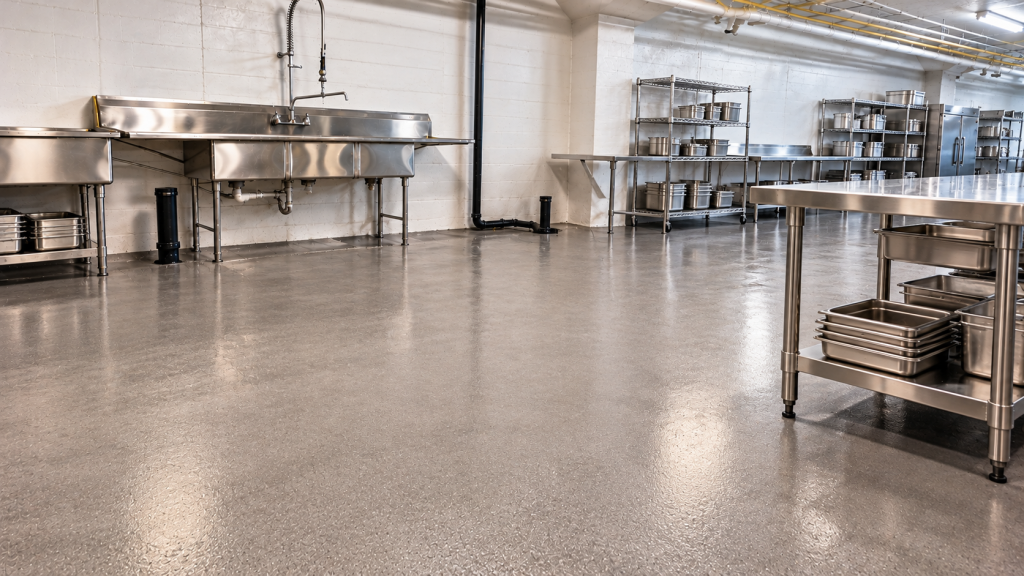
- Restaurant: Grease control, floor sinks, heavy hot water, and gas.
Use this order to sanity-check any estimate. If a restaurant budget looks cheaper than an office, something is missing.
Building a Budget Step by Step
Here is a practical way to move from a rough number to a solid budget.
Step 1: Start With a Range
Use a plumbing cost per square foot range for your use type as a first pass. Then add a contingency, since early estimates carry risk.
Step 2: Survey the Space
Next, locate the sewer stub and water service. Run a camera through existing drains. Note the slab type. These facts can move the budget a lot.
Step 3: Sketch the Layout
Place restrooms, sinks, and equipment on a simple plan. Then count fixtures and measure drain runs. Now you can estimate by fixture instead of by area.
Step 4: Get a Plumber’s Budget
Ask a commercial plumber to price the sketch. Request a breakdown by trenching, piping, fixtures, water heating, and special systems.
Step 5: Refine as Design Develops
Update the budget at each design milestone. Lock in key choices early, such as fixture models and water heater type.
Hidden Items in Plumbing Cost per Square Foot
Unfortunately, some costs slip through early estimates. Make sure your budget covers:
- Concrete patching and floor prep after trenching
- Permit and connection fees
- Firestopping at pipe penetrations
- Insulation on hot water lines
- Backflow testing and certification
- Gas piping for heaters and kitchens
- Electrical work for sensors and heaters
Ways to Lower Plumbing Cost per Square Foot
Fortunately, smart design choices can trim costs without hurting function:
- Mirror restrooms on either side of one plumbing wall.
- Locate wet areas near the existing sewer stub.
- Use building core restrooms when the lease allows.
- Choose standard commercial fixtures for back-of-house areas.
- Reuse sound existing lines after a camera inspection.
- Right-size water heaters instead of oversizing.
Cost per Fixture: A Better Yardstick
Many estimators prefer to price by fixture. Each toilet, sink, urinal, and drain gets a unit cost. Then they add trenching, water heating, and special systems. This method tracks the real work better than plumbing cost per square foot alone.
For example, a two-restroom office might have eight fixtures. A restaurant of the same size might have thirty. The fixture method shows that gap clearly. By contrast, the area method hides it. So use both numbers side by side when you plan.
TI Allowances and Who Pays
In addition, most leases include a tenant improvement allowance from the landlord. It may cover all or part of the plumbing work. Read the work letter closely. When a landlord already provides shell restrooms or a stub, the tenant’s portion drops.
Brokers can use realistic plumbing numbers to negotiate a better allowance. That is another reason to get a plumber’s input early.
Regional Plumbing Cost per Square Foot Differences
Also, labor rates, permit fees, and code rules vary by city. For example, cities with strict water efficiency rules may require pricier fixtures. Hot climates may need pipe insulation in ceilings. As a result, the same layout can cost more in one market than another.
A Quick Worked Example
Let us walk through a simple case. A tenant is looking at a 3,000-square-foot retail suite. Using a broad range for retail, the broker sets a first budget. Then the plumber visits. Luckily, the sewer outlet is only a few feet from the planned restroom. The slab is a standard pour, not post-tensioned. There is no grease or special waste.
With these facts, the plumber prices one accessible restroom, a mop sink, a small water heater, and a short trench. As a result, the real number lands near the low end of the range. Now picture the same suite as a café. Suddenly the plan adds a grease interceptor, floor sinks, and a bigger heater. The cost climbs fast, even though the square footage never changed. That is the core lesson: fixtures and conditions drive cost, not floor area.
FAQ on Plumbing Cost per Square Foot
Is plumbing cost per square foot reliable for restaurants?
Only as a very rough guide. Restaurants vary so much that a fixture-based estimate is far better.
When should I get a real quote?
As soon as you have a rough layout. Early pricing helps you negotiate and plan.
Get a Real Number for Your Space
A good budget starts with real site information. Review our plumbing pricing page for more detail, or request a site-based estimate. For a broader look at budgets, our post on TI plumbing costs covers restrooms, drainage, and water supply. The EPA WaterSense list can help you pick efficient fixtures that save over time.