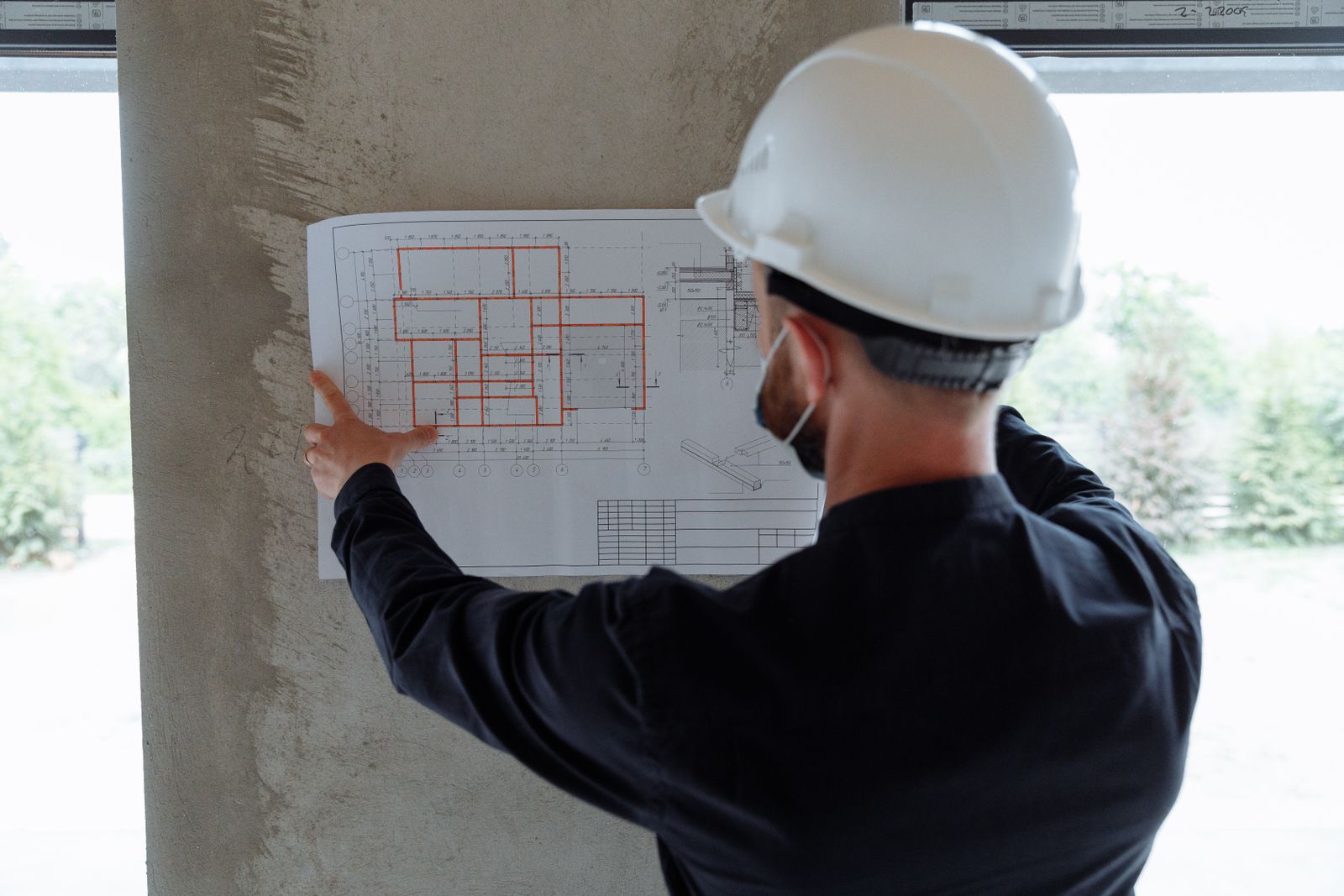
Eastmark commercial plumbing questions should come up before you sign a lease, not after. Eastmark, the fast-growing master-planned community in southeast Mesa near Ellsworth Road and the Loop 202, has new retail centers, medical offices, and mixed-use buildings opening every year. Many of these spaces are delivered as shells or warm shells, which means the tenant handles most of the interior plumbing. Knowing what to review ahead of time can save you thousands of dollars and weeks of delays. This guide explains what to check before leasing a space in Eastmark.
It is written for business owners, tenant reps, and franchise teams looking at new locations.
Why Plumbing Belongs in Lease Talks
Plumbing is one of the most expensive parts of a build-out. In a shell space, the tenant may need to install restrooms, sinks, water heaters, and drains from scratch. Some uses, like restaurants, also need grease interceptors and larger water services. If the lease does not address these items, you may pay far more than you planned. So review plumbing early and negotiate it into the lease.
Eastmark Commercial Plumbing: Shell, Warm Shell, or Second Generation?
First, find out what condition the space comes in:
- Cold shell: bare walls and slab, with utilities stubbed to the building
- Warm shell: some basics in place, often a restroom or water heater
- Second generation: a space used by a prior tenant, with existing plumbing
Each one changes how much plumbing work you will need. In new Eastmark buildings, cold and warm shells are common.
Eastmark Commercial Plumbing: Water Service and Meter Size
Check the size of the water line and meter serving the suite. A small meter may be fine for an office or retail shop. However, restaurants, salons, and medical uses may need more flow. Upgrading a meter can be costly and slow, since it involves the city utility. So confirm the size before signing and ask who pays for any upgrade.
Eastmark Commercial Plumbing: Sewer Stubs
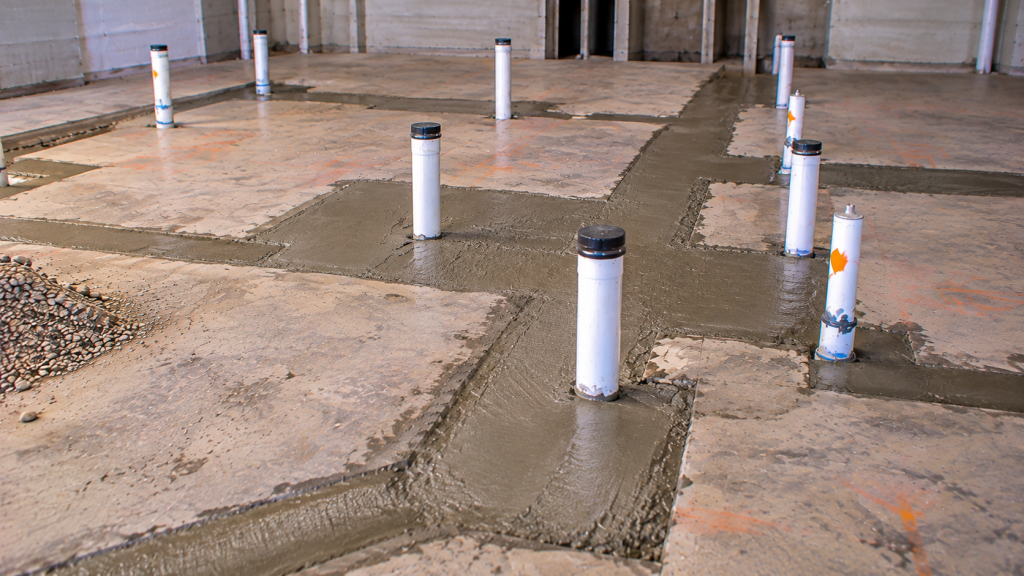
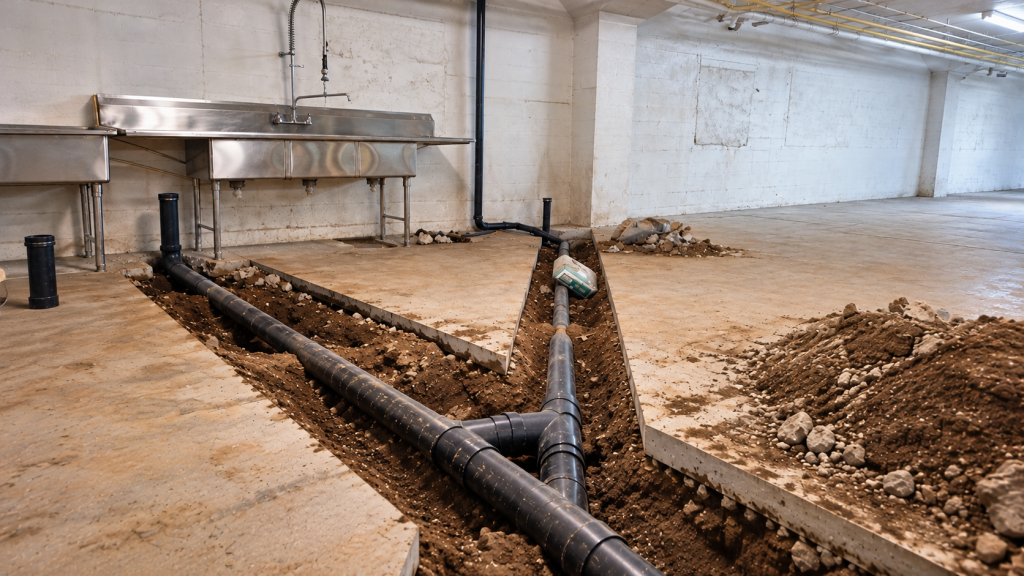
In shell spaces, the developer usually provides a sewer stub, which is a capped drain line where the tenant connects. The location and depth of that stub matter. If your restrooms or kitchen are far from it, the plumber must cut a long trench through the slab. In addition, the stub must be deep enough to allow proper slope. Ask for the as-built drawings that show stub locations.
Eastmark Commercial Plumbing for Restaurants
Restaurants have the biggest plumbing needs. They often require a grease interceptor, a larger water service, gas lines, and many floor drains. Some Eastmark centers include a shared grease interceptor, while others expect each restaurant to install its own. This difference can change your budget a great deal. So ask the landlord which approach the center uses and whether there is capacity for your kitchen.
Restroom Requirements in Eastmark Commercial Plumbing
Building codes set the number of restrooms based on occupancy. In some centers, shared restrooms count toward that total. In others, each tenant must provide its own. Also, every restroom must be accessible. If the shell includes no restrooms, you will need to budget for building them. Our guide to restroom build-out plumbing explains what is involved.
Eastmark Commercial Plumbing and the Tenant Improvement Allowance
Many leases include a tenant improvement allowance, which is money from the landlord to help pay for the build-out. Plumbing often uses a large share of it. So before you negotiate, get a rough plumbing estimate. Then you can ask for an allowance that matches your real costs, or ask the landlord to deliver certain items, like restrooms or a grease interceptor, as part of the shell.
Gas Service
If your business cooks with gas or uses gas water heaters, check that gas is available to the suite. Some new buildings run gas only to certain units. Running a new gas line can be costly. So confirm availability early and ask who pays for any extension.
Medical and Dental Tenants
Eastmark’s growing population brings many clinics, dental offices, and urgent care centers. These tenants need sinks in every exam room, special drains for dental chairs, and sometimes medical gas or vacuum lines. In addition, some equipment needs backflow protection or dedicated water. So medical tenants should share equipment lists with the plumber before signing. That way, the lease and allowance can reflect the true cost.
Fitness and Wellness Studios
Gyms and studios often want showers and locker rooms. Each shower brings its own drain, a jump in hot water use, and a waterproof floor. In a shell space, all of that must be built new. So budget for it early, and confirm the water heater and meter can keep up with busy class times.
Questions to Ask the Landlord
- Where are the water, sewer, and gas stubs located?
- How large is the water meter serving the suite?
- Does the center have a shared grease interceptor?
- Are restrooms provided, or must the tenant build them?
- Can I see the as-built plumbing drawings?
- What plumbing work does the allowance cover?
Get the answers in writing before you sign.
Permits and Inspections in Mesa
Eastmark lies within the City of Mesa, so tenant plumbing work goes through the city’s development review and inspections. Food uses also need Maricopa County health review. Because Eastmark is growing quickly, plan extra time for plan review. The Maricopa County site explains county-level requirements.
Scheduling Your Build-Out
Plumbing in a shell space starts with underground work, which must happen before the slab is patched and walls go up. Then comes rough-in, inspection, finishes, and final fixtures. Knowing the plumbing scope before signing helps you set a realistic opening date. In addition, it helps you plan rent-free periods in the lease.
Eastmark Commercial Plumbing Budget Tips
Choose a space where restrooms and kitchens can sit close to existing stubs. Ask the landlord to cover major items like grease interceptors or meter upgrades. In addition, standard fixtures cost less than custom ones. For typical price ranges, see our cost per square foot page.
Future Tenants and Flexibility
Your business may grow, or you may sublease part of the space later. So think about flexibility. For example, placing restrooms near a central wall makes it easier to split or expand the suite. Adding a capped water and drain line in a likely future break room spot costs little now. Later, it saves cutting the slab again. In short, a bit of foresight protects your investment.
Also, ask the landlord for a copy of any utility easements or shared line agreements. These papers show who owns and maintains each pipe outside your suite.
Common Lease Mistakes
- Signing before checking stub locations
- Assuming a shared grease interceptor has room for you
- Forgetting to ask about meter size
- Accepting an allowance that does not cover plumbing
- Underestimating plan review time
Pre-Lease Checklist
- Confirm the space condition
- Review water, sewer, and gas stubs
- Check meter size and grease capacity
- Confirm restroom requirements
- Get a rough plumbing estimate
- Negotiate the allowance and landlord work
- Plan for permit and review time
Lease With Confidence
A careful Eastmark commercial plumbing review protects your budget and your opening date. For help reviewing a space, visit our build-out plumbing services or ask us to walk the space.