
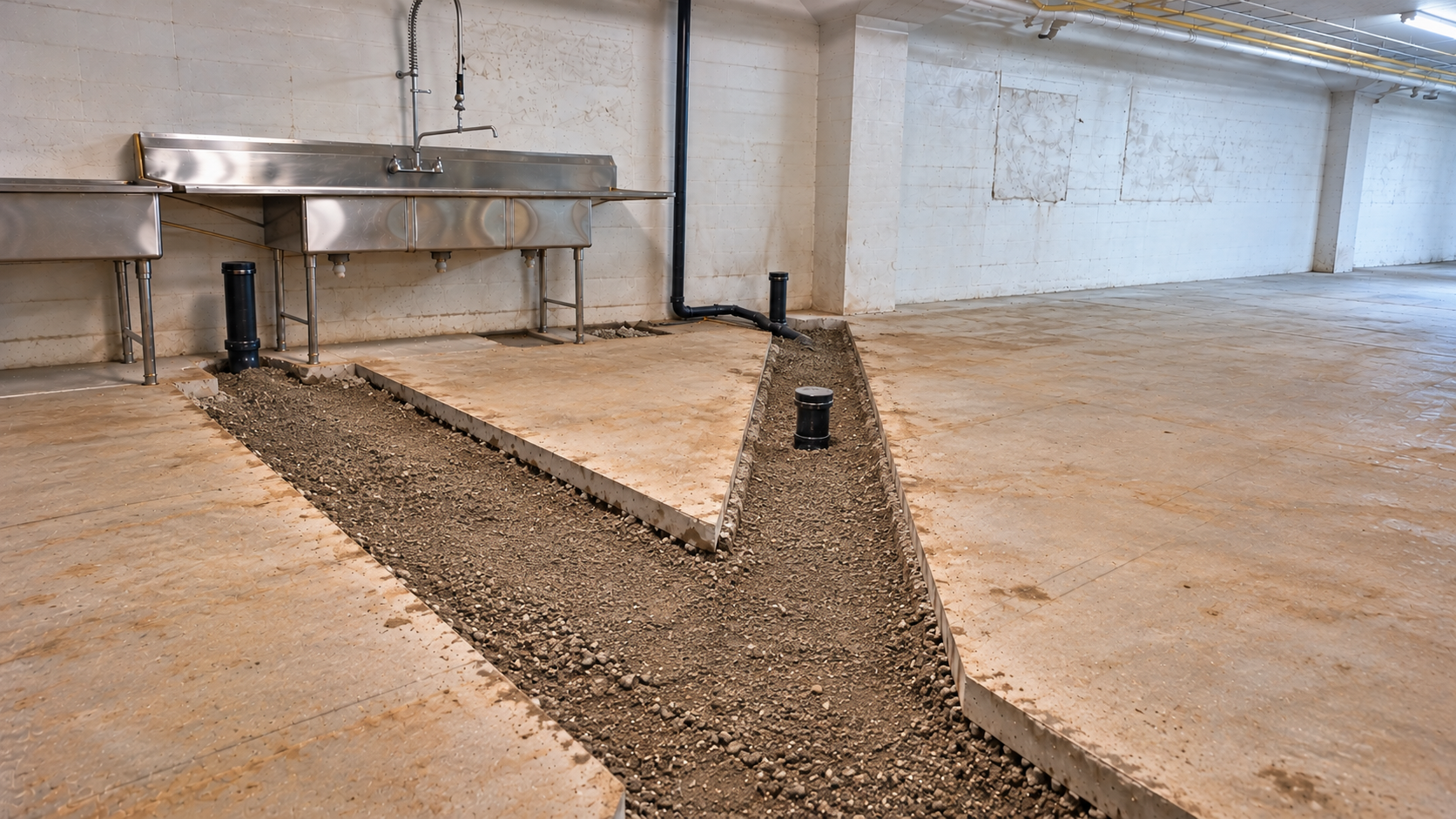
Atwater Village plumbing projects often begin with a charming old storefront and a long list of unknowns hidden in its walls and floors. Atwater Village is a small Los Angeles neighborhood squeezed between the Los Angeles River and Glendale, with a walkable business strip along Glendale Boulevard and more shops along Los Feliz Boulevard. Many of its buildings went up in the 1920s through the 1940s. Today they hold bakeries, wine shops, yoga studios, design firms, and neighborhood restaurants. Each new tenant brings different plumbing needs than the last one. This guide walks through how to prepare one of these older spaces for a new business.
If you are about to lease or remodel a vintage storefront here, the steps below will help you budget wisely and avoid mid-project shocks.
What Makes Older Storefronts Different
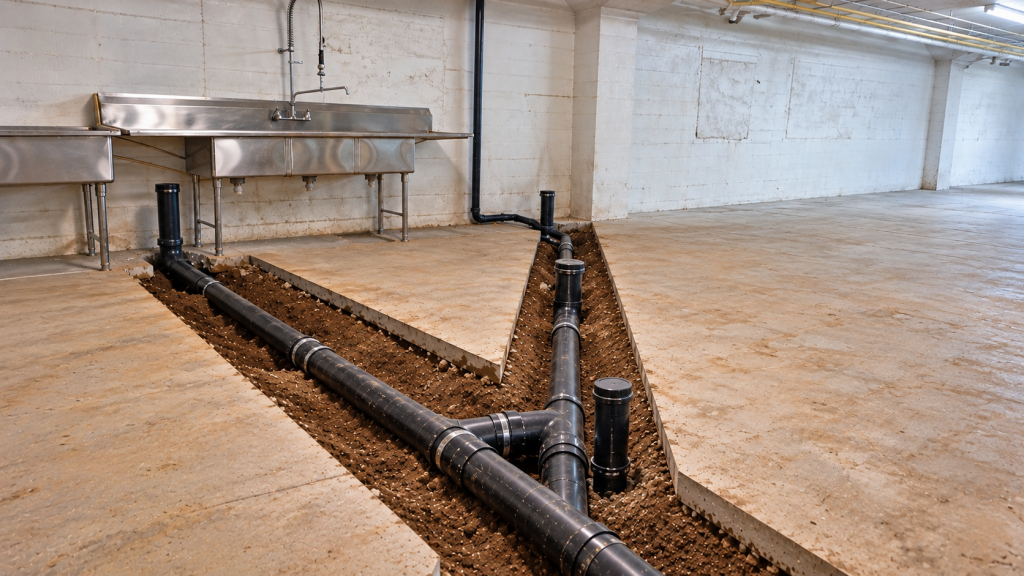
Plumbing from the prewar era followed different rules and used different materials. Drains were often cast iron with lead and oakum joints. Water lines were galvanized steel, and vents sometimes ended in attics rather than above the roof. In addition, decades of remodels added patches, extensions, and abandoned stubs. As a result, an old space can look fine on the surface yet hide a tired system underneath. Planning starts with finding out what is really there.
Start Atwater Village Plumbing With Your Business Plan
Before anyone opens a wall, define how the new business will use water. A bakery needs prep sinks, a mop sink, hand sinks, and floor drains. Meanwhile, a yoga studio may want showers and a laundry hookup. A design office may need only a restroom and a coffee sink. So write a short list of every fixture and appliance you expect. That list becomes the yardstick for judging the existing plumbing.
Investigating the Existing System
Next, bring in a licensed plumber for a full investigation. They open access panels, look under sinks, and trace pipes in the basement or crawl space if one exists. Then they feed a video scope down the main line and each branch. In addition, they test water pressure at several outlets and check the shutoff valves. The goal is a clear map of pipe sizes, materials, and condition.
Atwater Village Plumbing and Cast Iron Drains
Old cast iron drains usually wear from the inside out. Over time, scale and rust narrow the pipe, and the bottom of the pipe can crack along its length. Camera footage shows these problems clearly. Some lines can be cleaned and lined with a new epoxy or felt liner. Others must be cut out and replaced with modern pipe. Your plumber will recommend the best fix for each section.
Atwater Village Plumbing Water Line Upgrades
Galvanized water pipe rusts inside until little water can pass. As a result, faucets sputter and water turns brown after weekends. Many tenants in Atwater Village replace these lines with copper or PEX while the walls are open. In addition, new shutoff valves at each fixture make future repairs easier. This upgrade costs far less during a build-out than after opening day.
Water Service From LADWP
LADWP supplies water along Glendale Boulevard. An old storefront may have a small meter that fit a dress shop but not a café. So compare the meter size to your new fixture count. If you need a larger meter, request it early, because utility work runs on its own schedule. A backflow device may also be required.
Atwater Village Plumbing for the Sewer Lateral
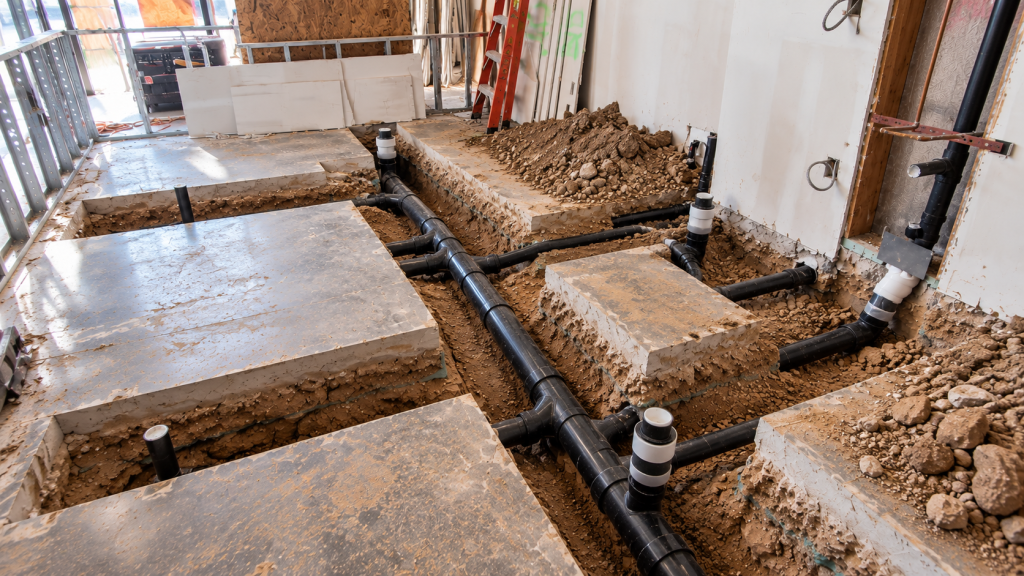
The lateral is the private line from your building to the public sewer in Glendale Boulevard or a side street. In older neighborhoods, laterals are often clay with joints that let in roots. Mature street trees make this more likely. So extend the camera inspection all the way to the main. If the lateral is cracked, plan for lining or replacement before interior floors are finished.
Upgrading Restrooms
Most prewar storefronts have a tiny toilet room tucked behind the sales floor. Today, a new business usually needs at least one accessible restroom. That may mean widening the room, moving the toilet, and adding grab bars and a sink with knee space. The ADA sets federal guidance, and California adds its own rules. Our restroom build-out page shows typical layouts.
Venting Updates
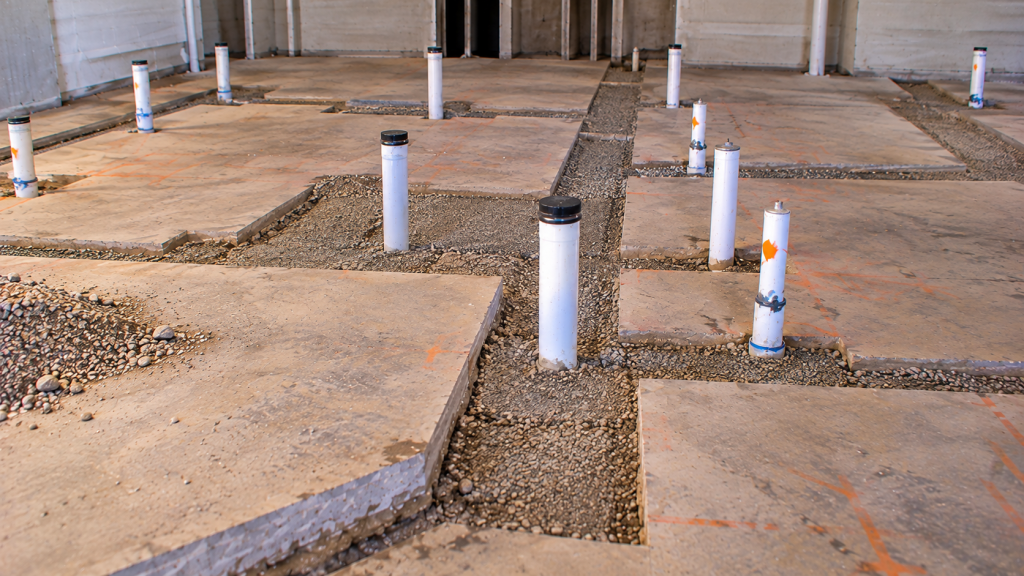
Older buildings sometimes have too few vents or vents that were cut off during past work. Without good venting, drains gurgle and sewer smells drift into the room. So the plumber checks each existing vent and plans new ones for added fixtures. In a one-story building, new vents often go straight through the roof. In addition, the roofer must flash each new opening to keep rain out.
Atwater Village Plumbing and Hot Water
An old tank heater in a closet may not serve a busy café or salon. So the plumber matches a new heater to the fixtures and the busiest hour of the day. In addition, wall-hung tankless models free up room in a cramped back hall. However, they may need a bigger gas line or more electrical capacity. Earthquake straps and a proper relief valve drain are required either way.
Gas Piping in Older Buildings
Many vintage storefronts still carry old gas piping. A restaurant or bakery will likely need larger lines for ovens and ranges. Meanwhile, old pipe may have weak joints or outdated valves. So the plumber pressure-tests the system and resizes it as needed. In addition, Los Angeles often requires a seismic gas shutoff valve. Ask the gas utility early if the meter needs an upgrade.
Surprises Behind the Walls
Every old building holds a few secrets. Crews may find abandoned pipes, hidden cleanouts, or lead-joint drains under a newer floor. In addition, plaster walls take longer to open and patch than drywall. So set aside an extra ten to fifteen percent of the plumbing budget for surprises. Most Atwater Village plumbing projects use at least part of it.
Permits and Inspections
The Los Angeles building department, LADBS, issues plumbing permits for Atwater Village. Drawings should show existing pipes to remain, pipes to remove, and new work. Food businesses also need plan approval from county environmental health. Expect inspection visits before trenches close, before walls close, and at the end.
Respecting the Building’s Character
Many tenants pick Atwater Village for its vintage charm. Plumbing can support that look. For instance, exposed copper lines and classic white fixtures suit an older café. In addition, careful routing can hide new pipes in a chase or above a ceiling. Talk with your designer about which pipes to show and which to hide.
Budget and Schedule
Your total will hinge on three things: the amount of original pipe you keep, the number of new fixtures, and the shape of the lateral. A small office may need only a restroom refresh. In contrast, a bakery moving into a bare vintage shell could need fresh drains, bigger gas lines, and grease control. Our plumbing cost per square foot breakdown explains the main drivers. For timing, allow extra weeks for investigation and plan review.
Tips for New Tenants
- List every fixture before judging the space
- Camera the drains and the lateral to the street
- Replace galvanized water lines during the build-out
- Check meter size with LADWP early
- Hold a contingency for hidden conditions
Atwater Village Plumbing Checklist
- Business plan and fixture list
- Full plumbing investigation
- Drain, lateral, and water line repairs
- Restroom, vent, and water heater upgrades
- Gas piping and seismic valve
- Permits, inspections, and testing
Give Your Storefront a Fresh Start
With a careful plan, Atwater Village plumbing work gives an old Glendale Boulevard building a dependable system for your new business. Investigate first, fix what matters, and keep the building’s character. Read about our commercial build-out plumbing, or book a plumbing investigation.