
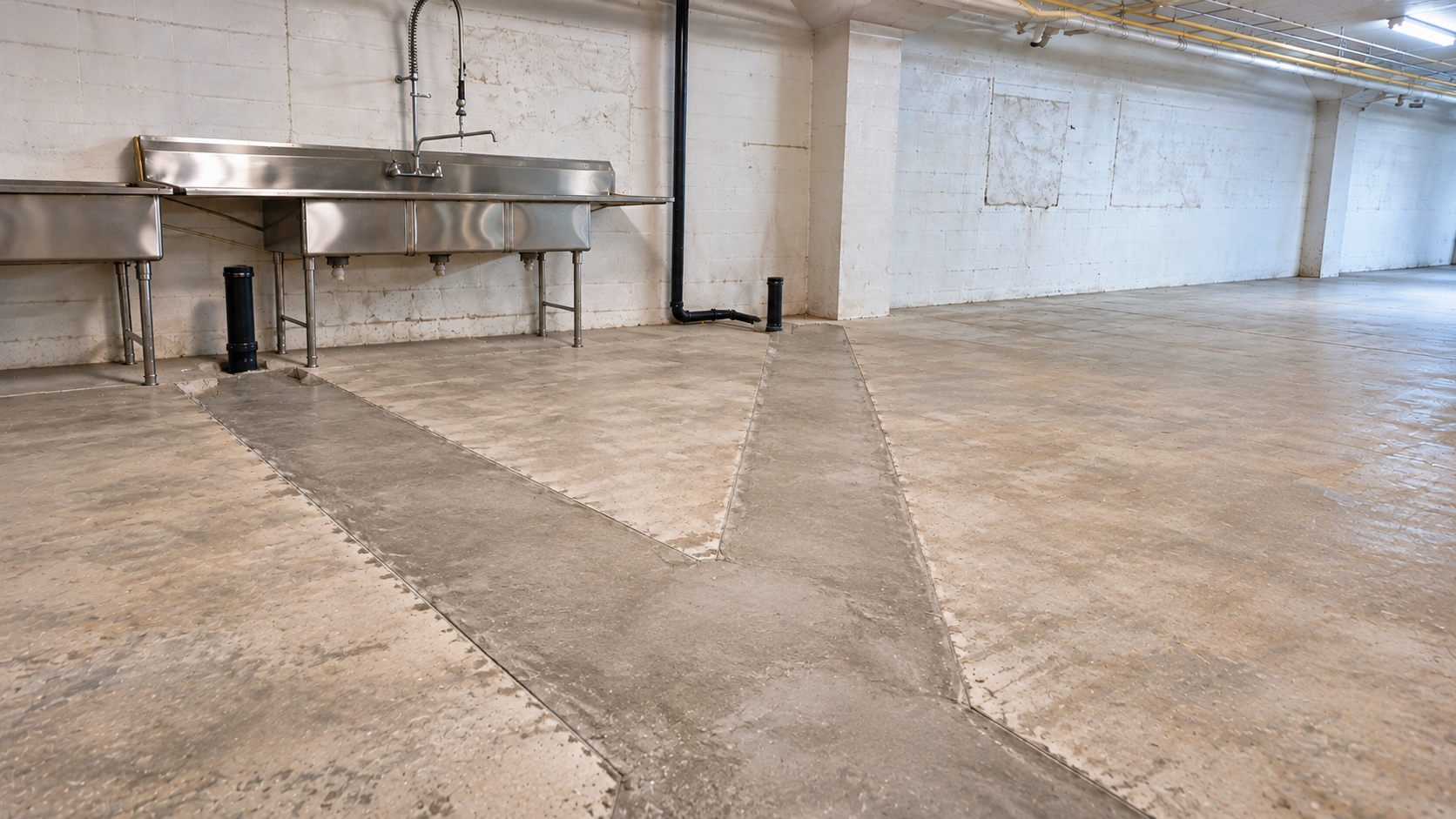
Granada Hills grease interceptors play a big role in any restaurant renovation in this corner of the San Fernando Valley. Granada Hills sits in the northern Valley, with family restaurants, taquerias, pizza places, and Korean and Thai kitchens along Chatsworth Street, Balboa Boulevard, Devonshire Street, and Rinaldi Street. Many of these restaurants occupy older buildings, some with grease control that no longer fits the menu. When a kitchen is renovated, the interceptor and the drainage that feeds it must be planned together. This guide explains how to coordinate both.
Use the steps below to keep your kitchen draining freely and your grease records in order.

What a Grease Interceptor Does
Kitchen wastewater carries fats, oils, and grease. If that grease reaches the city sewer, it cools, hardens, and clogs pipes. A grease interceptor slows the flow, which lets lighter fats rise and heavier food bits settle. Then cleaner water flows out to the sewer. Pump trucks remove the trapped grease on a regular schedule. Without one, a restaurant risks backups, odors, and fines.
Start With the Existing Interceptor
First, find out what is already there. Some older restaurants have a small grease trap under the sink. Others have a large in-ground interceptor in the parking lot. In addition, ask for the pumping records. These records show how often it was cleaned and whether it caused problems. Then a plumber inspects the unit for cracks, missing baffles, and corrosion.
Granada Hills Grease Interceptors and Menu Changes
A new menu can change grease load a lot. For example, a café that becomes a fried chicken shop sends far more grease down the drain. Similarly, a pizza place that adds wings and fries needs more capacity. So the plumber recalculates the interceptor size based on the new fixtures and menu. If the old unit is too small, it must be upgraded or replaced.
Sizing the Interceptor
Sizing depends on the number and size of grease-producing fixtures, the flow rate, and local rules. Pot sinks, prep sinks, pre-rinse sprayers, and some floor sinks all count. In addition, the city’s sanitation bureau enforces its own FOG rules for food businesses. The plumber uses these rules and the plumbing code together. Our interceptor sizing and siting article explains the process.
Granada Hills Grease Interceptors Placement
Large interceptors usually go outside, under the parking lot or a sidewalk. That spot must allow a pump truck to reach the lids. However, many Granada Hills restaurants sit in small centers with tight parking. So placement takes careful planning with the landlord. In addition, digging in a shared lot can disrupt neighbors. Indoor units save digging but take up kitchen space and need careful cleaning.
Routing Kitchen Drainage
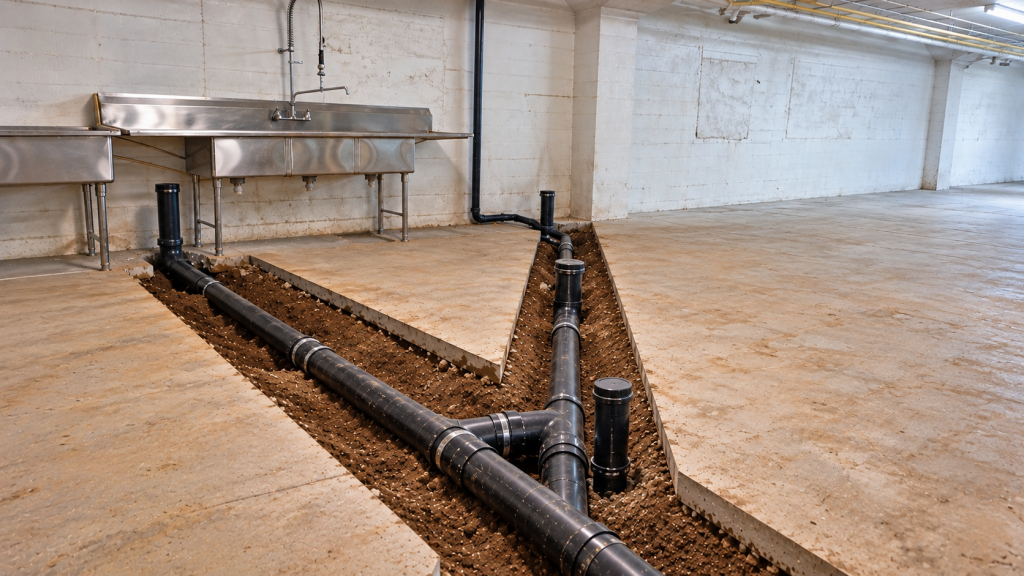
Next, the plumber draws the drain lines. Grease-producing fixtures connect to the grease line, which flows to the interceptor. Hand sinks and restrooms connect directly to the sanitary sewer. Dish machines may need special handling, since very hot water can melt grease and push it through. So the layout must sort each fixture into the right line.
Floor Sinks and Floor Drains
Floor sinks catch indirect waste from equipment like ice machines and steam tables. Some floor sinks also receive grease, so they route to the interceptor. Floor drains handle spills and mopping. In addition, every floor drain needs a trap primer to stop odors. Placing these drains in the right spots keeps the kitchen safe and clean.
Granada Hills Grease Interceptors and Slab Work
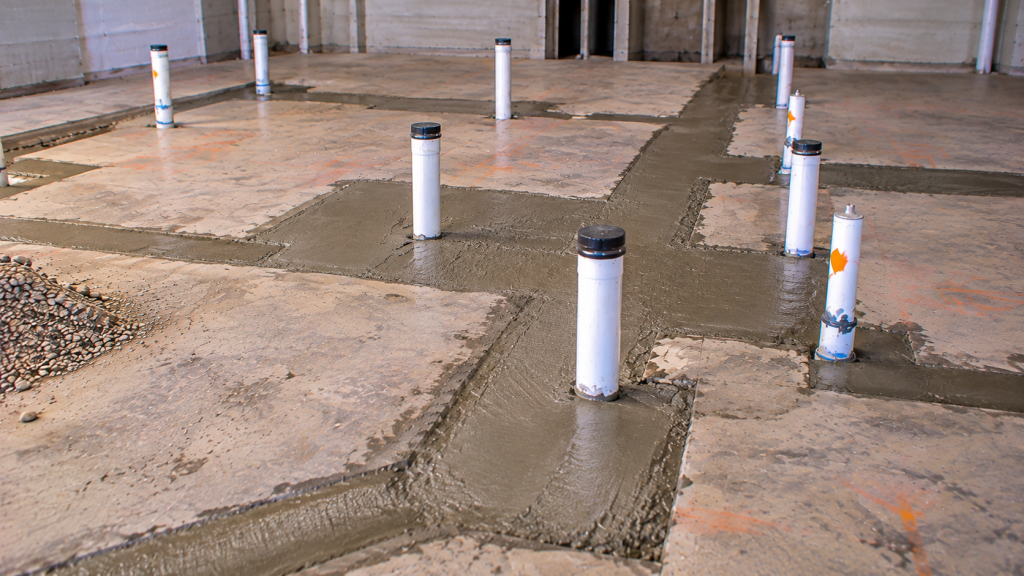
New grease lines usually run under the slab. Crews saw-cut trenches, lay pipe at a steady slope, and connect to the interceptor. Before backfill, the inspector checks the work. Because slab work is the messiest part of a renovation, plan it once. In addition, schedule it before new flooring goes down.
Cleanouts and Access
Grease lines clog more often than other drains. So the plumber adds cleanouts at key points, such as changes in direction and before the interceptor. In addition, the interceptor lids must stay accessible. Never cover them with planters or parking stops. Easy access makes routine maintenance quick and cheap.
Approvals in Los Angeles
Restaurant renovations in Granada Hills need approval from several groups. City building staff at LADBS approve the plumbing drawings and inspect each stage. County environmental health reviews the kitchen layout and fixtures. In addition, LA Sanitation may review grease control equipment. Submit plans early to keep the opening date.
Granada Hills Grease Interceptors Maintenance
Once the kitchen opens, the interceptor needs regular pumping. Many kitchens pump every one to three months, depending on volume. In addition, keep a log of each service, since inspectors may ask to see it. Waiting too long lets grease escape into the sewer. That can lead to backups inside the restaurant.
Best Practices for Kitchen Staff
Good habits reduce the grease load. Dry-wipe sheet pans and woks before they reach the sink. Send spent fryer oil to a rendering bin for pickup. In addition, use strainers in all floor sinks. These steps extend pumping intervals and protect the pipes.
Budgeting the Work
Costs depend on whether the existing interceptor can stay, the size of a new one, and how much digging is needed. Replacing an in-ground unit in a parking lot is a big job. However, reusing a sound interceptor saves a lot. In addition, new grease lines and floor sinks add cost. See our restaurant plumbing services for typical scopes.
Timeline
Plan review for a restaurant can take several weeks. Ordering a large interceptor may take a few more. Digging, setting, and connecting the unit often takes about a week. Then inspections, backfill, and paving follow. Coordinate this work with the rest of the build-out so the kitchen opens on time.
Granada Hills Grease Interceptors for Busy Weekends
Many local restaurants see their biggest crowds on weekend mornings and evenings. Brunch spots and family restaurants send huge volumes through their sinks in a few hours. So the interceptor must handle peak flow, not just average use. In addition, pumping schedules should match busy seasons. Plan for your busiest day.
Granada Hills Grease Interceptors in Older Centers
Several strip centers along Chatsworth Street and Balboa Boulevard date back decades. In some of them, two or three restaurants share one old interceptor. That setup causes trouble when one tenant skips cleaning or adds a fryer. So ask the landlord how the shared unit is managed and who pays for pumping. In addition, find out whether the city has cited the center before. If the shared unit is too small, a new dedicated interceptor may be the better choice. Clear answers now prevent disputes later.
Tips for Restaurant Owners
- Inspect the existing interceptor and records
- Resize grease control for the new menu
- Choose an outdoor spot a pump truck can reach
- Separate grease and sanitary drains
- Keep a pumping log for inspectors
Granada Hills Grease Interceptors Checklist
- Existing unit inspection
- New menu and fixture review
- Interceptor size and location
- Grease and sanitary drain routes
- City, county, and sanitation approvals
- Pumping and maintenance plan
Keep Your Kitchen Flowing
Well-planned Granada Hills grease interceptors and kitchen drains protect your restaurant, your neighbors, and the city sewer. With the right size and layout, your kitchen can handle busy nights without backups. Visit our Los Angeles plumbing page, or ask us about your grease interceptor.