
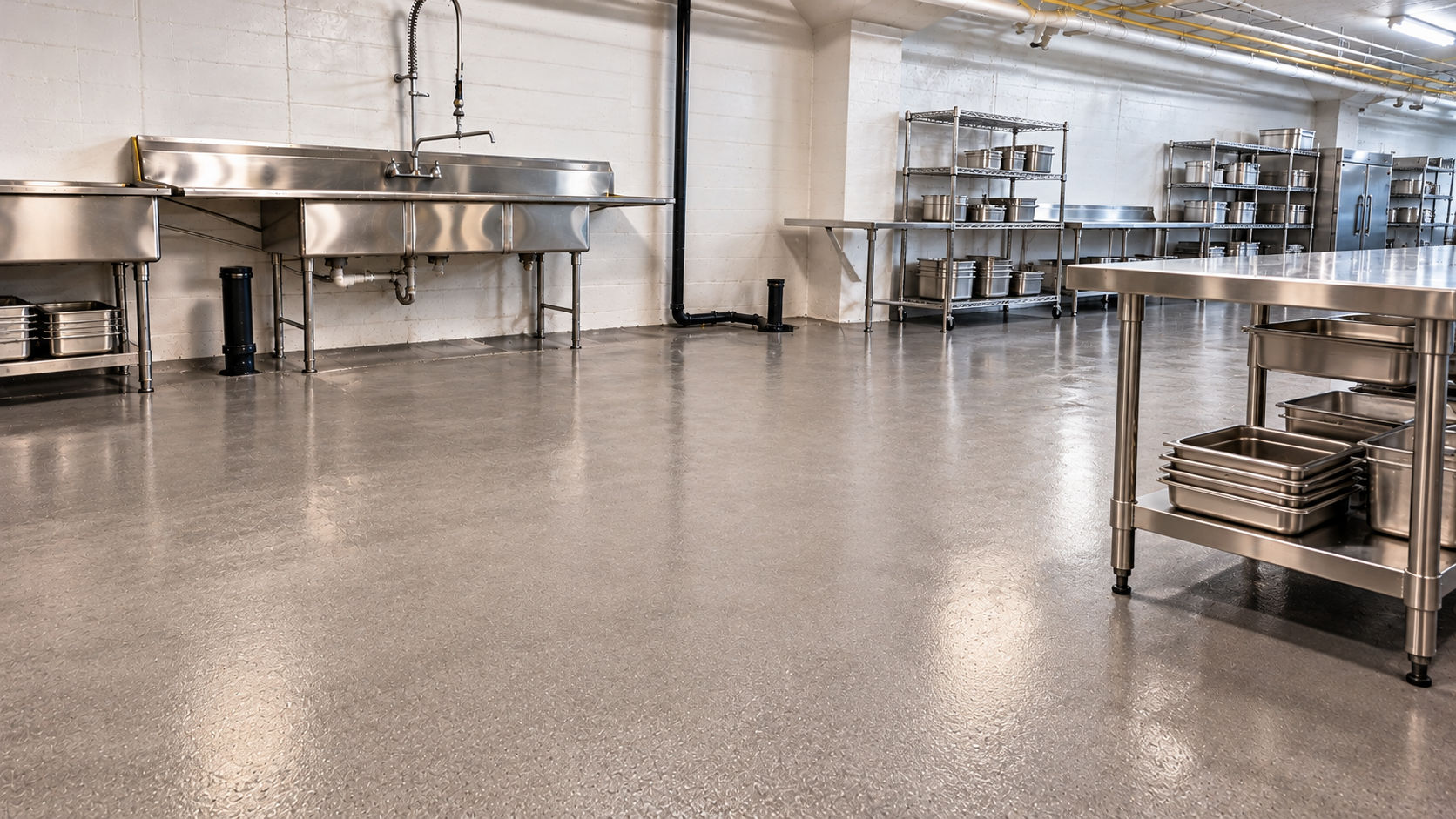
Pacific Beach restaurant plumbing has to keep up with one of San Diego’s busiest dining and nightlife scenes. Pacific Beach, or PB, stretches along Garnet Avenue, Mission Boulevard, and the boardwalk, where taco shops, brunch spots, sushi bars, and beach pubs pack every block. Kitchens here run hard from morning coffee to late-night food. Any restaurant moving into a PB space needs drains and grease control that can keep up. This post explains how to plan kitchen drainage and grease waste during a Pacific Beach restaurant tenant improvement.
It is for restaurant owners, kitchen designers, and builders who want a kitchen that drains well on the busiest Saturday night.
Why Drainage Comes First
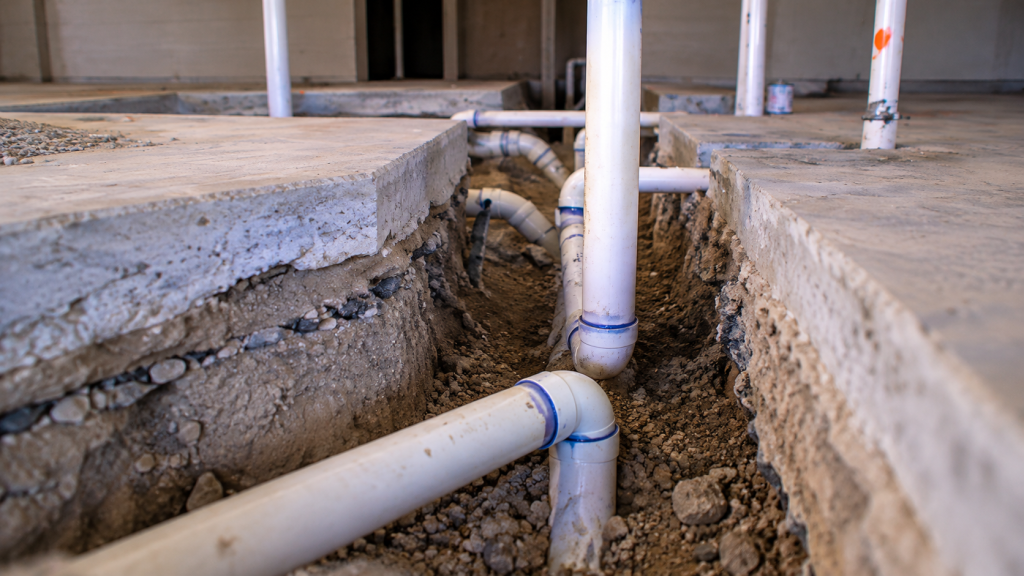
Water lines can bend around obstacles. Drains cannot. They depend on gravity and must slope steadily to the sewer. In addition, most kitchen drains run below the slab, where changes are costly. So the drain plan shapes the whole kitchen layout. Getting it right first saves time and money later.
Start Pacific Beach Restaurant Plumbing With the Menu
The menu decides the equipment, and the equipment decides the drains. A taco shop with flat tops and fryers produces lots of grease. Meanwhile, a smoothie bar makes little grease but plenty of sticky sugar water. Brunch places run dish machines all morning, then again at dinner. So start with the menu and a full equipment list. The plumber designs drains around that list.
Surveying Older PB Buildings
Many Pacific Beach restaurants sit in older buildings from the 1950s through the 1980s. These may have cast iron drains, clay sewer laterals, and grease lines from past tenants. So a camera inspection is a must. It reveals cracks, roots, sags, and old grease buildup. In addition, the plumber checks the depth of the sewer connection. This survey sets the limits of the new design.
Floor Sinks and Indirect Waste
Many kitchen items drain indirectly into floor sinks. Ice machines, steam tables, soda systems, and dipper wells all need an air gap. This protects food equipment from backups. So place floor sinks close to the gear they serve. However, keep grates clear of the main aisles so no one trips. A tight, logical layout keeps the kitchen safe and clean.
Pacific Beach Restaurant Plumbing for Grease Waste
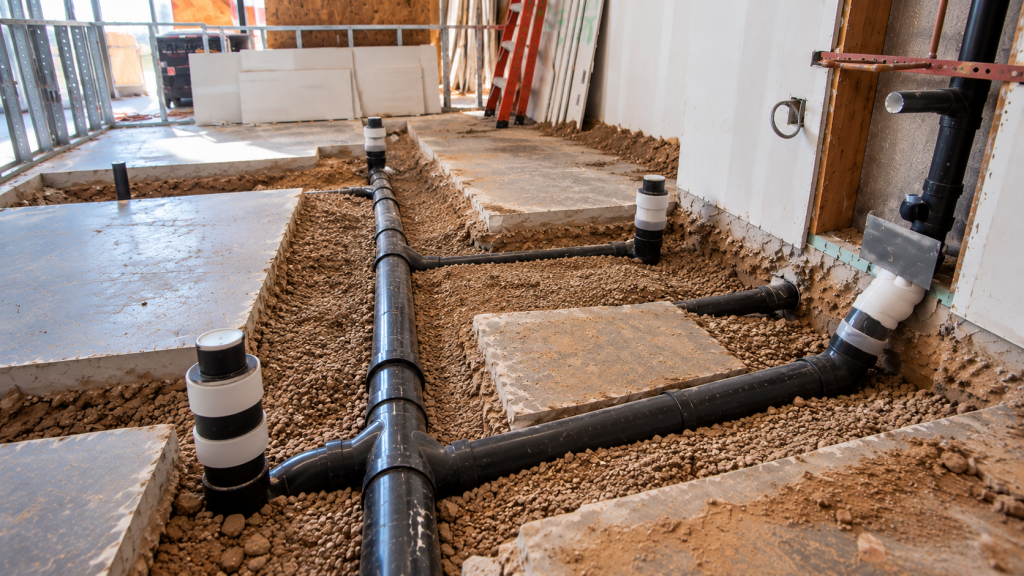
Grease is the biggest threat to restaurant drains. When it cools, it hardens and clogs pipes. So grease-heavy fixtures must drain to a grease interceptor before the sewer. These include pot sinks, prep sinks, mop sinks, and many floor drains. In contrast, restroom waste goes straight to the sewer. Keeping these two systems apart is a key design rule.
Sizing the Grease Interceptor
The City of San Diego sets rules for grease control. Its size tracks the volume of greasy water your kitchen sends down the drain. Busy PB kitchens often need a larger unit than a quiet café. In addition, outdoor in-ground units need room for pumping trucks. Tight alleys in PB can make this hard. So plan the location early with the landlord.
Interceptor Options for Tight Sites
Some Pacific Beach buildings have little outdoor space. In that case, a compact indoor unit may work for smaller kitchens. These units sit under sinks or in the floor. However, they need frequent cleaning. Larger kitchens usually still need an outdoor tank. Your plumber can compare options for your site and menu.
Pacific Beach Restaurant Plumbing Slope and Pipe Size
Every drain needs the right slope for its size. Too flat, and solids settle. Too steep, and water leaves solids behind. In a long kitchen, keeping slope while reaching the sewer at the right depth takes careful planning. So the plumber maps every route before cutting concrete.
Pacific Beach Restaurant Plumbing and Bars
Many PB restaurants double as bars. Bar sinks, glass washers, beer coolers, and ice bins each drain somewhere, usually into a floor sink. Beer and soda lines also need backflow protection. Plan bar plumbing with the kitchen so all drains fit together under the slab.

Coastal Conditions
Salt air and high groundwater near the beach affect plumbing. Metal parts corrode faster, and some sites have water close to the surface. So the plumber picks corrosion-resistant materials where needed. In addition, they plan trench work around groundwater. These steps help the system last in a coastal setting.
County Health and City Permits
Two offices weigh in. San Diego County reviews the kitchen as a food facility; its plan check page has the details. The city’s Development Services team handles building and plumbing permits. File with both early.
Underground Inspections
Inspectors check below-slab drains before the trench closes. The inspector checks the size, fall, and joints of each pipe. Most plumbers flood the lines with water to prove they hold. Only then can the concrete go back. Plan this step into the schedule.
Maintenance and Pumping
Grease interceptors need regular pumping. Busy PB kitchens may need it every month or two. In addition, staff should scrape plates and keep grease out of drains. Keep pumping records on hand for inspectors. Good habits prevent backups, fines, and unhappy guests on a busy weekend.
Budgeting Pacific Beach Restaurant Plumbing
Costs depend on kitchen size, drain count, interceptor size, and the condition of old lines. Replacing a cracked lateral or cast iron drain adds cost. In addition, tight sites may need special interceptors. Our plumbing cost guide shows typical ranges.
Timeline
Expect a few weeks for survey and design. Health and city reviews can take longer. After that come trenching, inspections, finishes, and the equipment. So begin plumbing design the week you sign the lease.
Water Use in the Kitchen
California values water savings. Low-flow pre-rinse spray valves and efficient dish machines cut water use. In addition, they lower water heating costs. The EPA WaterSense program lists efficient products.
Patios and Sidewalk Seating
Many PB restaurants have patios or sidewalk tables. Staff hose down these areas often. So plan approved drains and keep wash water out of storm drains. In addition, a hose bib with a vacuum breaker near the patio saves time. Clean patios bring guests back, and they keep the health inspector happy.
Plan Once, Pour Once
Finish the menu. Lock the equipment. Map every drain. Then cut the slab. One clean pass saves time and money and keeps the opening date safe.
Pacific Beach Restaurant Plumbing for Late-Night Service
Late hours mean long shifts for drains and water heaters. A kitchen that cooks from breakfast to 2 a.m. needs strong hot water and well-sized drains. So size equipment for the longest day, not an average one. In addition, plan grease pumping often enough to match the volume.
Tips for Restaurant Owners
- Camera-inspect old drains before design
- Keep grease and sanitary waste separate
- Plan the interceptor location early
- Use corrosion-resistant parts near the beach
- Pump grease often in busy kitchens
Pacific Beach Restaurant Plumbing Checklist
- Finalize menu and equipment
- Survey existing drains and laterals
- Place floor sinks and drains
- Route grease waste to an interceptor
- Check slope and sewer depth
- Get county and city approvals
- Pass underground inspection
Keep Your Kitchen Flowing
Good drainage and grease control keep a Pacific Beach kitchen running through every rush. With careful planning, your restaurant can open on time and stay open without plumbing headaches. Learn about our restaurant plumbing work, or plan your kitchen with us.