
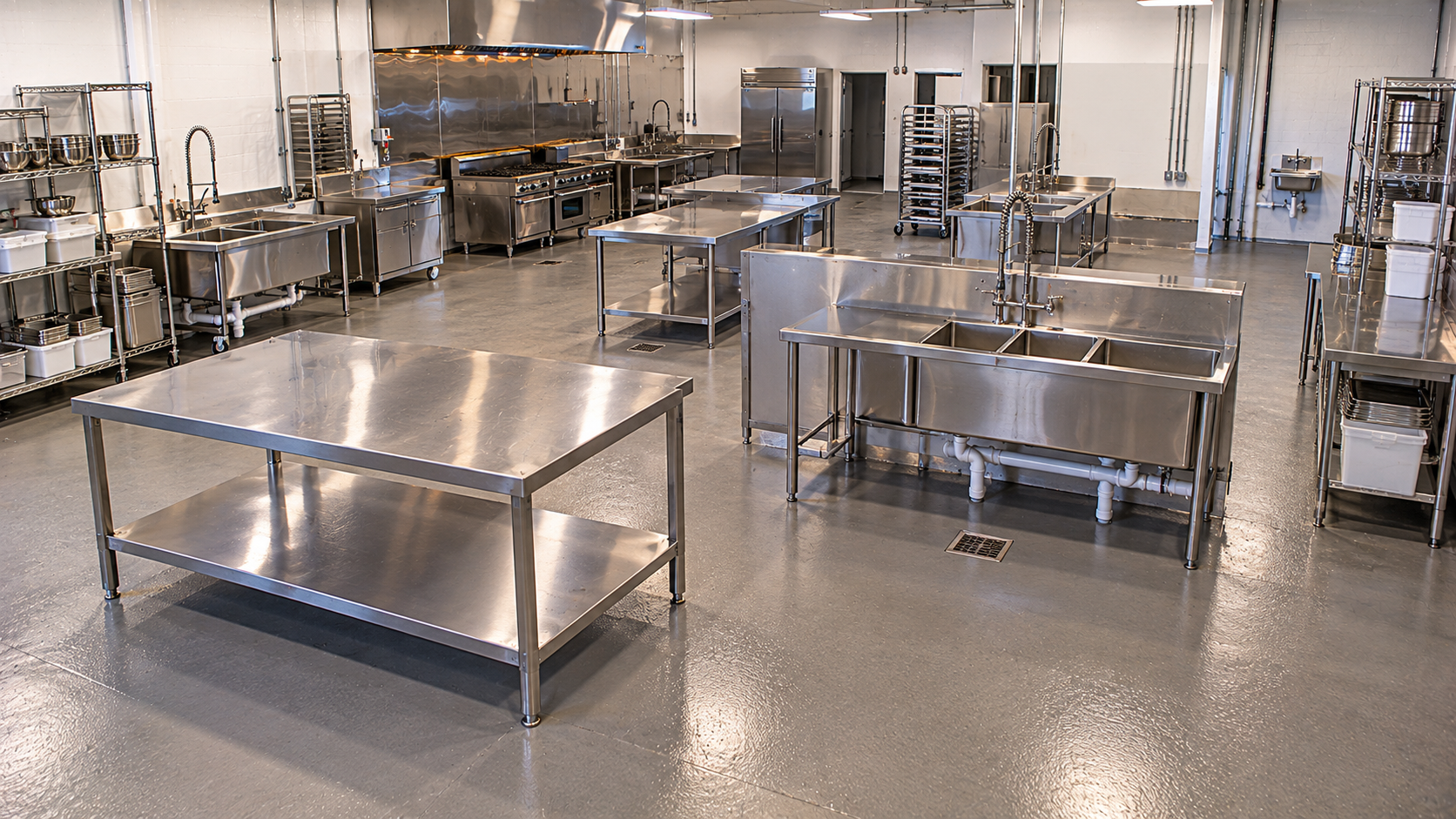
Tenant improvement plumbing contractors handle the pipes, fixtures, and special systems that make a leased space usable. Yet an office, a retail shop, and a restaurant need very different plumbing. Each one brings its own codes, equipment, and schedule pressures. This guide explains what these contractors do on each type of build-out and how to choose the right crew for yours.
Use it to plan your scope, compare bids, and ask better questions before you sign.
What Tenant Improvement Plumbing Contractors Do
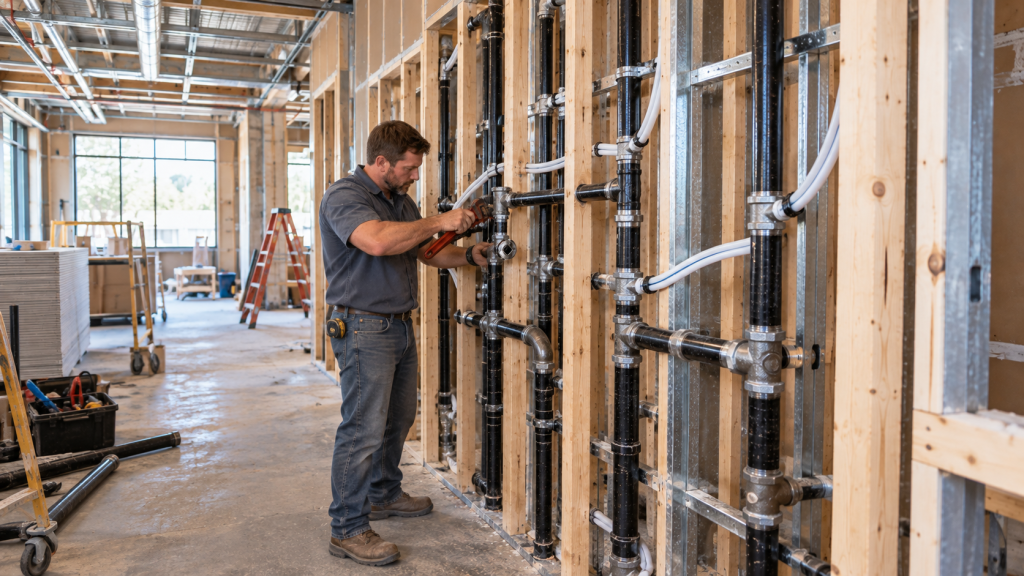
These contractors focus on interior work inside existing buildings. Their typical scope includes:
- Reviewing drawings and verifying site conditions
- Pricing and scheduling the plumbing scope
- Cutting slabs and installing underground drains
- Running water, waste, and vent lines in walls
- Installing water heaters and special equipment
- Setting fixtures and trim
- Calling and passing inspections
Unlike new construction, TI work happens around existing tenants, finished lobbies, and shared systems. As a result, good contractors bring care, flexibility, and strong communication skills to every job.
Office Build-Outs
Office plumbing is usually the simplest of the three. Most offices need restrooms, a break room, and maybe a few sinks in labs or workrooms. Still, a few details matter.
First, check whether the building has core restrooms. If it does, the tenant may only need a break room sink. If not, the suite needs its own restrooms, which means more drains and venting. Second, check the water heater plan. Small point-of-use heaters often work well in offices.
Office tenants also want quiet. So plumbers may wrap drain lines in insulation to cut noise near conference rooms. In addition, they coordinate carefully with ceilings, lighting, and HVAC above.
Retail Build-Outs
Retail plumbing varies a lot by use. For example, a clothing store may need only one restroom. A salon, on the other hand, needs shampoo bowls, extra hot water, and hair traps. Meanwhile, pet stores often need tub drains and wash stations.
Retail schedules are tight, too. Many stores have a fixed opening date tied to rent or seasonal sales. So tenant improvement plumbing contractors on retail jobs must order fixtures early and work fast once the slab is open.
Shared walls are another factor. Strip center suites often sit side by side. Cutting the slab or tying into a shared sewer line may affect neighbors. Good contractors plan this work carefully and keep the landlord informed.
Restaurant Build-Outs
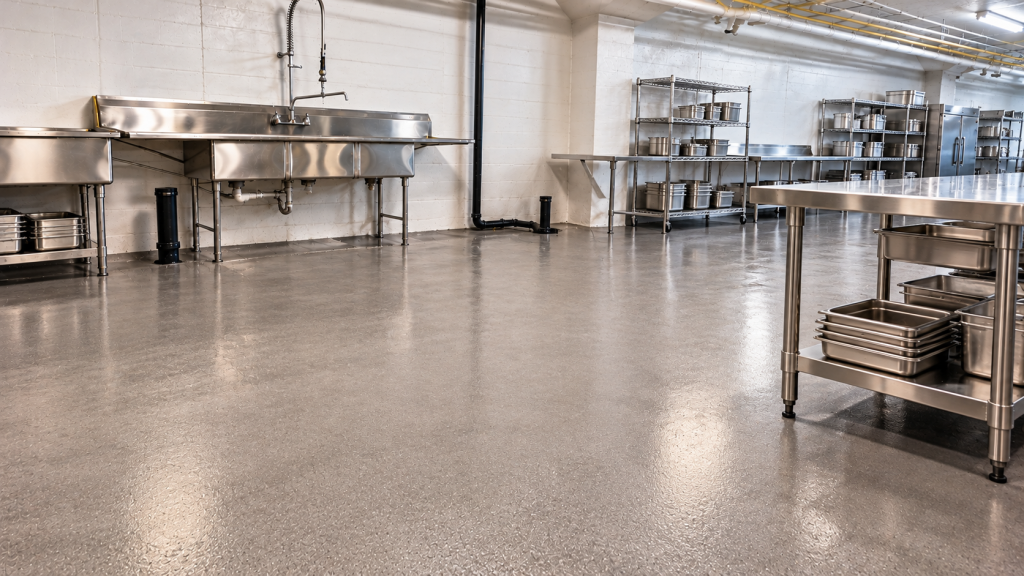
Restaurants are the most complex plumbing jobs in tenant improvement work. They need many fixtures, heavy hot water use, and systems that protect the sewer.
A typical restaurant scope includes:
- A grease interceptor or grease traps
- Floor sinks and floor drains throughout the kitchen
- Three-compartment sinks, prep sinks, and hand sinks
- A large water heater or multiple heaters
- Connections for dishwashers, ice machines, and beverage systems
- Indirect waste with proper air gaps
- Gas piping to cooking equipment
- Customer and staff restrooms
Health departments and wastewater utilities often review these plans in addition to the building department. Therefore, restaurant permits usually take longer. For more on grease systems, read our post on grease interceptor sizing and permits.
How Tenant Improvement Plumbing Contractors Price Work
For tenant improvement plumbing contractors, pricing depends on fixture count, slab work, special systems, and access. Underground work is often the biggest cost driver. The longer the trench and the deeper the sewer, the higher the price.
Equipment connections add up as well. Each dishwasher, ice machine, or sink needs its own supply, drain, and sometimes an air gap. Meanwhile, after-hours work in occupied buildings adds labor cost.
For planning numbers, see our page on plumbing cost per square foot.
Comparing Bids From Tenant Improvement Plumbing Contractors
Bids rarely line up perfectly. One may include saw-cutting and concrete patching while another excludes them. One may include fixtures while another lists them as owner-furnished. So level the scopes before you compare prices.
Check each bid for:
- Slab cutting, removal, and patching
- Fixtures and trim, or labor only
- Water heaters and mixing valves
- Grease interceptors and backflow devices
- Permit fees and inspections
- Camera inspection of existing lines
- Gas piping, if needed

Questions for Tenant Improvement Plumbing Contractors
- How many projects like ours have you finished recently?
- Can we call a general contractor you have worked with?
- Are you licensed and insured for commercial work here?
- What does your bid include and exclude?
- How do you handle surprises below the slab?
- Who will run our job day to day?
Medical, Salon, and Specialty Spaces
Some tenants fall outside the usual office, retail, and restaurant mix. Medical and dental offices need sinks in many rooms. Dental suites also need vacuum and air lines, plus special drains. Labs may need acid-resistant waste piping and emergency eyewash stations.
Salons and spas need lots of hot water. Shampoo bowls and pedicure chairs use it fast. Therefore, plumbers size water heaters carefully and often add recirculation so hot water arrives quickly.
Fitness centers bring showers and locker rooms. They need floor drains, mixing valves, and good venting. In each case, tenant improvement plumbing contractors with specialty experience can spot needs that a general crew might miss.
Licensing and Insurance
Most states license plumbing contractors, and many cities require local registration as well. Before you hire, confirm the license on your state’s board website. For example, Arizona contractors are listed with the Arizona Registrar of Contractors.
Also, ask for certificates of insurance. General liability, workers’ compensation, and auto coverage are standard. Your landlord may require higher limits, so check the lease too.
Small Jobs and Quick Turnarounds
Not every build-out is large. Some tenants just need one new sink or a moved restroom. These small jobs still need a permit in most cases. They also still need care, since one bad joint can flood a finished suite.
For quick jobs, look for a crew that can mobilize fast. Ask how soon they can start and how they handle permits for small scopes. A good small-job plumber keeps the work simple, clean, and done right.
Red Flags
Be careful if a contractor cannot show a license, refuses to explain exclusions, or bids far below everyone else. Also, watch for vague answers about schedules or crew size. These signs often point to problems later.
Scheduling Around Other Trades
Plumbing does not happen alone. It sits between demo, framing, electric, HVAC, and finishes. So the plumber’s schedule must fit the whole job.
Here is a simple order that works on most jobs. First, the plumber cuts and trenches the slab. Next, the inspector checks the pipe. Then the crew pours the floor back. After that, framers build walls. The plumber returns to run pipe in the walls. Later, drywall goes up. At the end, the plumber sets fixtures.
Each handoff is a chance for delay. Good crews call ahead, show up on time, and finish their part fast. That is what makes them easy to work with.
Working Well With Your Plumber
Once tenant improvement plumbing contractors start work, communication is key. Share drawing updates right away. Make fixture decisions quickly. Invite the plumber to weekly coordination meetings. In short, treat them as a partner, not just a trade.
FAQ on Tenant Improvement Plumbing Contractors
Do tenant improvement plumbing contractors handle gas piping?
Many do, especially for restaurants. Confirm it in the scope.
Which build-out type takes the longest?
Restaurants, because of grease systems, equipment, and extra reviews.
Find the Right Plumbing Partner
The right crew makes a build-out smoother for everyone. Explore our restaurant plumbing services, or contact our team to discuss your space.