
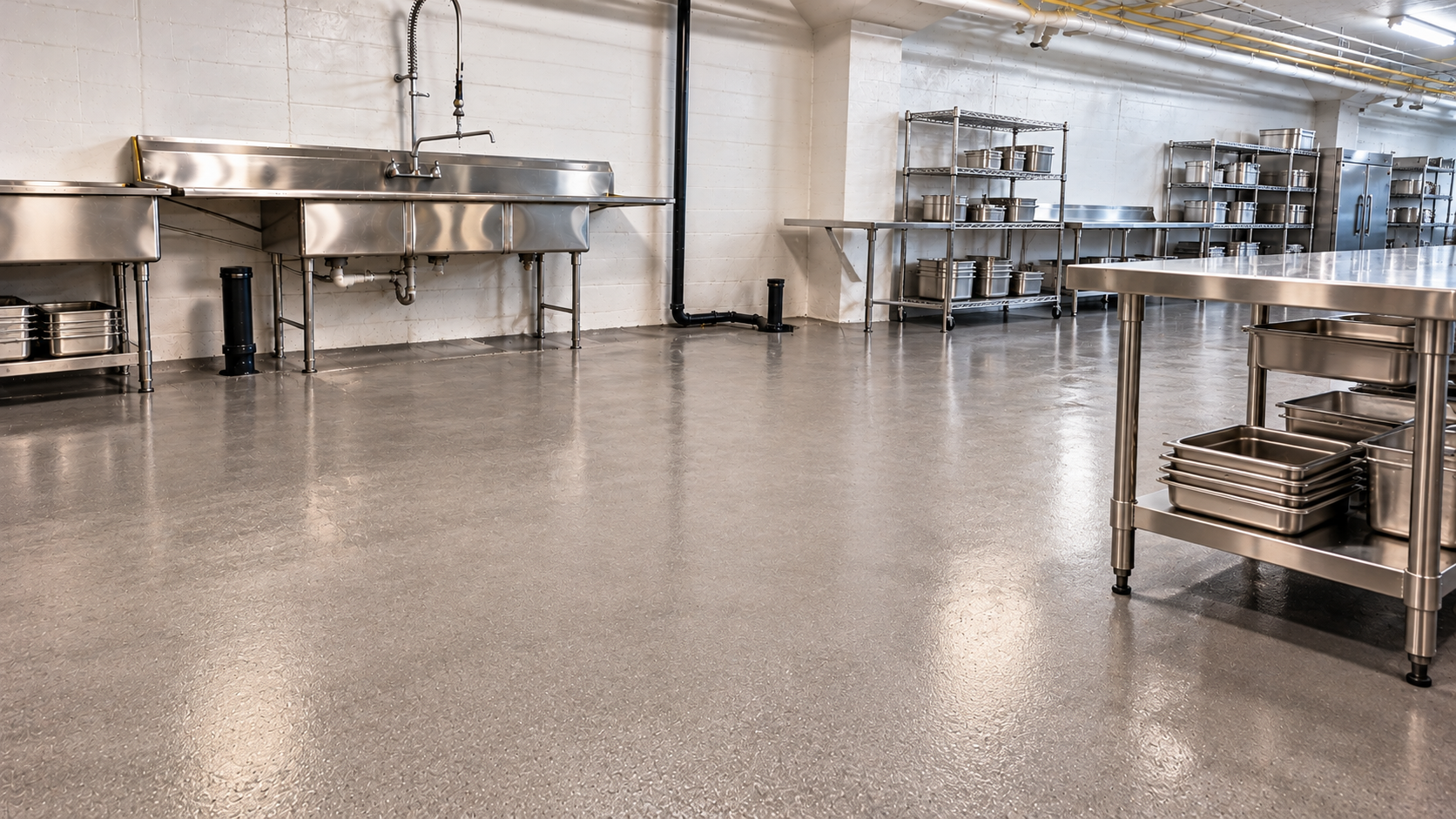
Austin tenant finish-out plumbing moves at the speed of one of America’s fastest-growing cities. New tech offices, coffee shops, breweries, and restaurants open every month, and most of them need a full plumbing finish-out before they can open their doors. In Texas, “finish-out” is the common term for building out a leased shell. This guide explains how plumbing works on office, retail, and restaurant finish-outs in Austin, with local tips on soil, water rules, permits, and fast-track schedules.
Use it to plan your space, set a budget, and pick a team that can keep pace.
Austin’s Busy Commercial Market
Clearly, Austin’s growth shows up everywhere. Downtown and the Domain host office towers and tech campuses. East Austin and South Congress fill with restaurants, bars, and boutiques. North and south suburbs add medical offices, retail centers, and flex space.
As a result, contractors stay busy. As a result, lead times for labor, fixtures, and inspections can stretch. Early planning is the best defense.
What Austin Tenant Finish-Out Plumbing Includes
A typical scope covers:
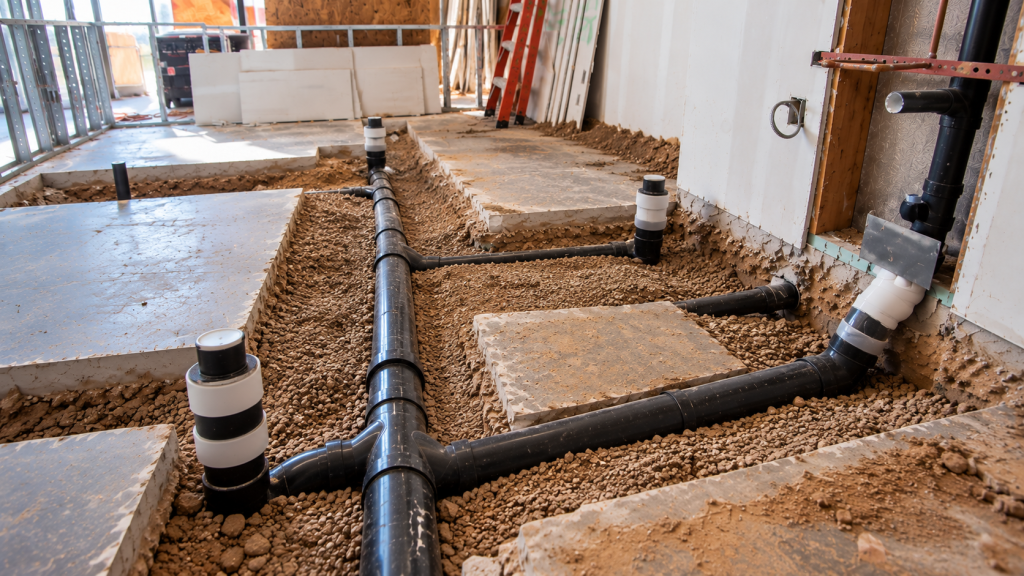
- Slab cutting and underground drains to the sewer stub
- Restrooms with accessible fixtures
- Team kitchens and coffee counters
- Water heaters sized for the business
- Grease traps or interceptors for food service
- Backflow preventers where required
- Fixtures and trim
However, specialty tenants add more. Breweries need trench drains and process water. Dental and medical suites need sinks and special lines in many rooms. Salons need shampoo bowls and extra hot water.
Austin Tenant Finish-Out Plumbing for Offices
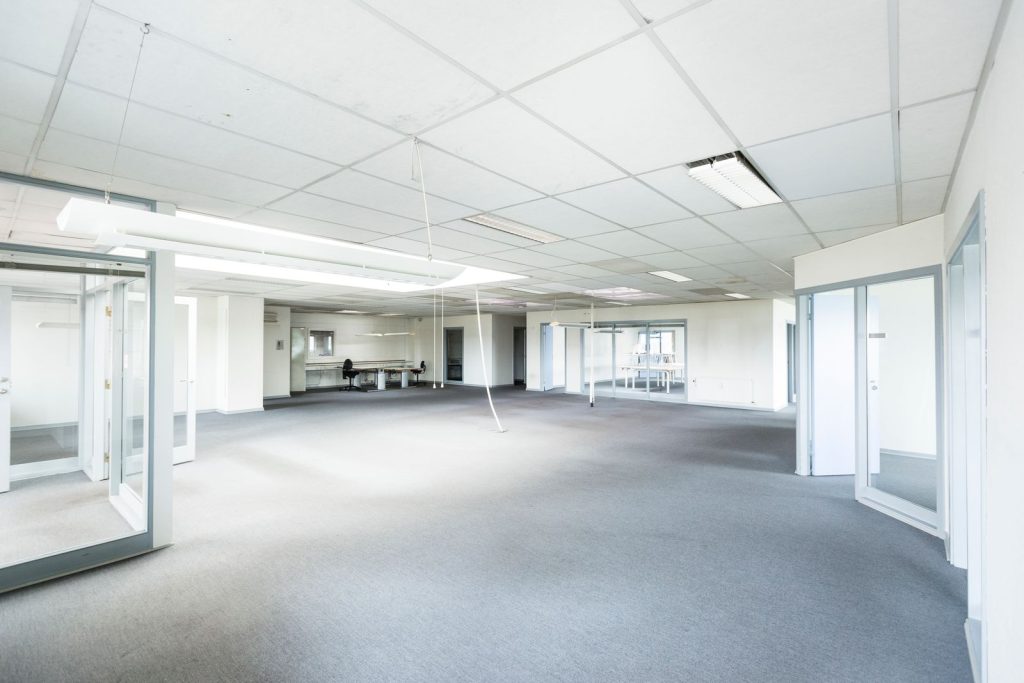
Tech and creative offices in Austin often favor open plans with a big kitchen and coffee bar as the social hub. That kitchen may need a dishwasher, an ice maker, a filtered water station, and multiple sinks. Restrooms may be single-user, all-gender rooms, which need more walls but offer flexibility.
Also, some office buildings provide core restrooms on each floor. In that case, the tenant’s plumbing scope may be limited to the kitchen and a few sinks. Check the lease and building standards first.
Retail Finish-Outs
Retail plumbing in Austin ranges from simple to complex. For example, a boutique may need one accessible restroom and a mop sink. Meanwhile, a smoothie bar needs hand sinks, prep sinks, and drains for equipment. Pet stores often want grooming tubs too.
Many retail spaces sit in centers with shared walls and a common sewer line. So coordinate saw-cutting and tie-ins with the landlord and neighbors.
Austin Tenant Finish-Out Plumbing for Restaurants
Of course, Austin is famous for its food scene. Restaurants, food halls, and bars open constantly. They also have the most demanding Austin tenant finish-out plumbing scopes.
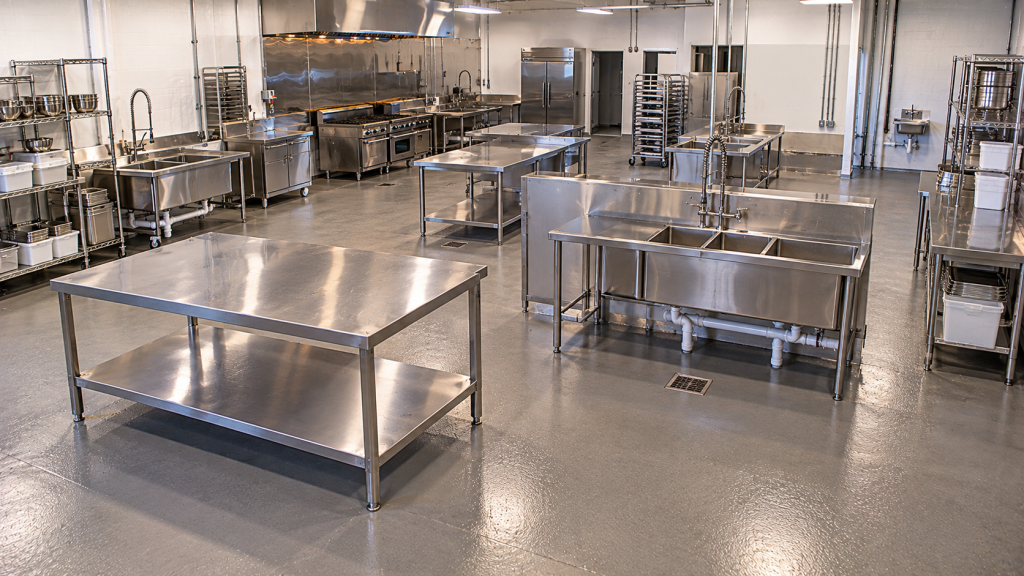
A full-service kitchen typically needs:
- A grease trap or in-ground interceptor
- Floor sinks under equipment and drink stations
- Hand sinks, prep sinks, and a three-compartment sink
- A large water heater or multiple heaters
- Gas piping to cooking equipment
- Restrooms for guests and staff
Grease control is closely regulated in Austin. The city’s water utility runs a pretreatment program that covers grease trap sizing, installation, and maintenance. Plan the trap early, because its size and location affect the whole kitchen layout.
Austin Soil and Underground Plumbing
Much of the Austin area sits on expansive clay soils. These soils swell when wet and shrink when dry. Over time, that movement can stress underground pipes and slab connections.
Experienced plumbers account for this. They bed pipes carefully, use proper backfill, and follow engineer guidance on slab and pipe details. In some areas, limestone near the surface makes trenching slow and costly instead. Either way, local experience matters when pricing underground work.
Water Rules and Conservation
In addition, Central Texas faces recurring droughts. As a result, Austin places strong emphasis on water conservation. Water-saving fixtures and smart irrigation are now the norm. Some projects also explore rainwater or condensate reuse.
Backflow preventers are required on many commercial connections. A licensed tester must check most of them every year, so plan for that cost.
Permits and Inspections
Most Austin tenant finish-out plumbing requires a permit from the City of Austin. Plumbing sheets usually ride along with the main permit. Restaurants may need extra review for grease control and health rules.
Texas cities choose which model plumbing code to adopt, and they amend it locally. So confirm the current Austin version with your plumber or designer. The city will inspect the underground pipe, the in-wall work, and the finished job.
Licensing in Texas
Texas licenses plumbers through the Texas State Board of Plumbing Examiners. Before hiring, confirm that the contractor and field crew hold the right licenses. Also, ask for proof of insurance.
Fast-Track Schedules
Naturally, many Austin tenants want to open fast. Rent often starts on a set date, and investors want revenue. So finish-outs often run on compressed schedules.
To keep plumbing on pace:
- Survey the space and camera the sewer before design is final.
- Order fixtures, heaters, and grease traps during plan review.
- Schedule underground work right after demolition.
- Book inspections early.
- Hold weekly coordination meetings with all trades.
Austin Tenant Finish-Out Plumbing Costs
In general, costs depend on use, layout, soil, and timing. Restaurants and breweries cost the most. Offices with core restrooms cost the least. Busy seasons can push labor rates higher.
To control costs, place wet areas near the sewer, group fixtures on shared walls, and choose standard commercial fixtures where possible.
Breweries and Taprooms
Austin loves craft beer. Breweries and taprooms open often, and they bring heavy plumbing needs. The brew floor needs trench drains that can handle hot water and cleaning chemicals. Tanks need water lines and drains. In some cases, the wastewater is strong enough to need pretreatment before it reaches the sewer.
So plan a brewery with care. Talk with the city’s water utility early about discharge rules. Also, pick pipe and drain materials that can take heat and chemicals. Getting this right up front saves big costs later.
Common Austin Finish-Out Mistakes
- Choosing a grease trap before the kitchen layout is final
- Skipping a camera check of the existing sewer
- Ignoring clay soil when bedding pipe
- Ordering fixtures after the permit, not during review
- Forgetting yearly backflow testing in the budget
Fortunately, a bit of foresight prevents every one of them. In short, think ahead and ask questions early.
Medical and Dental Finish-Outs
Austin’s growing population needs more clinics. Dental offices, urgent care centers, and therapy practices open across the metro. Their plumbing is detailed. Most exam rooms need a hand sink. Dental chairs need water, suction, and air. Sterilization rooms need special sinks and drains.
As a result, medical finish-outs often take more design time. Work with a plumber who has built these spaces before. They will spot needs early and keep the schedule on track.
Choosing an Austin Plumbing Partner
Above all, hire a crew that has done Austin finish-outs lately. Ask how they handle grease rules, clay soils, and fast schedules. Visit our Austin plumbing page to learn about our local work.
FAQ on Austin Tenant Finish-Out Plumbing
What does “finish-out” mean in Austin?
It is the Texas term for building out a leased shell into a usable space, much like a tenant improvement.
How long does Austin tenant finish-out plumbing take?
Simple offices may move quickly. Restaurants need more time, since grease traps add design and review steps.
Open Your Austin Space on Time
Solid plumbing planning helps you hit your opening date. To review your layout, call on our Texas plumbing team today.