
Los Angeles commercial plumbing operates under some of the strictest rules in the country. California’s water efficiency standards, seismic requirements, and detailed permit reviews all shape how restrooms and building systems get built or upgraded. Add a huge stock of older buildings, and every tenant improvement in LA needs careful planning. This guide covers commercial restroom upgrades and building system improvements for tenant spaces across Los Angeles.
Read on for simple tips that apply from downtown to the Valley.
The Los Angeles Commercial Landscape
First, LA has a huge range of buildings. Downtown includes historic high-rises and converted lofts. Hollywood and Mid-Wilshire mix older offices with new creative spaces. The Westside features modern offices and retail. Meanwhile, the Valley and South Bay add business parks, industrial flex, and shopping centers.
Also, many of these buildings are decades old. Older cast iron drains, galvanized water lines, and outdated restrooms are common. So most LA tenant improvements include at least some upgrade work.
California Rules That Shape Los Angeles Commercial Plumbing
California has its own plumbing code. It is based mostly on the Uniform Plumbing Code. The state’s green rules also cap how much water each fixture can use. So new toilets, urinals, faucets, and shower heads must be low flow.
Other California rules affect plumbing too:
- Water heaters must be strapped or braced against earthquakes.
- Pipes and equipment may need seismic bracing in larger buildings.
- Energy rules affect water heating equipment and pipe insulation.
- Accessibility rules in California can go beyond federal standards.
Because of these rules, fixture choices in LA are narrower than in some other states. Always confirm that fixtures meet California requirements before ordering.
Commercial Restroom Upgrades
In fact, restroom upgrades are among the most common jobs in LA tenant spaces. Tenants want modern, clean restrooms. Landlords want to attract tenants. And many older restrooms no longer meet accessibility or water efficiency rules.
A typical upgrade includes:
- New low-flow toilets, urinals, and faucets
- Accessible fixtures, grab bars, and clearances
- Updated drains and supply lines
- New tile, partitions, and lighting
- Point-of-use or central water heating for hand washing
In California, accessibility rules can be stricter than federal rules. Therefore, restroom upgrades often trigger more work than owners expect. Plan for this early in the budget.
Los Angeles Commercial Plumbing System Upgrades
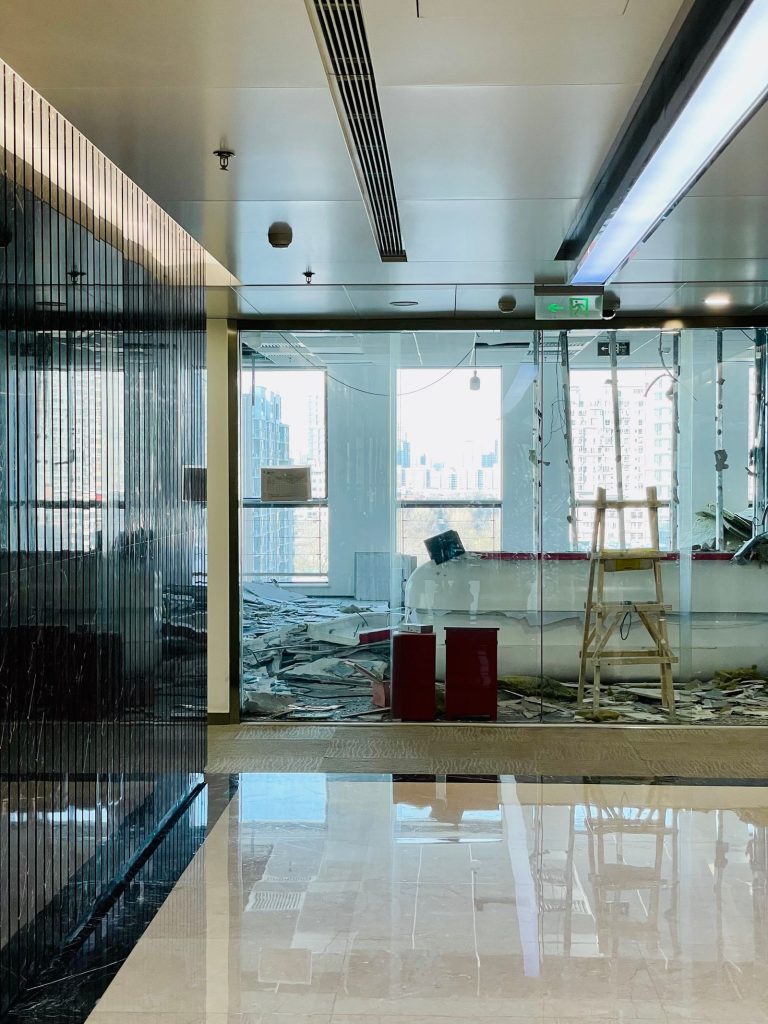
Beyond restrooms, many LA buildings need system work too. Common projects include:
- Re-piping galvanized or failing copper water lines
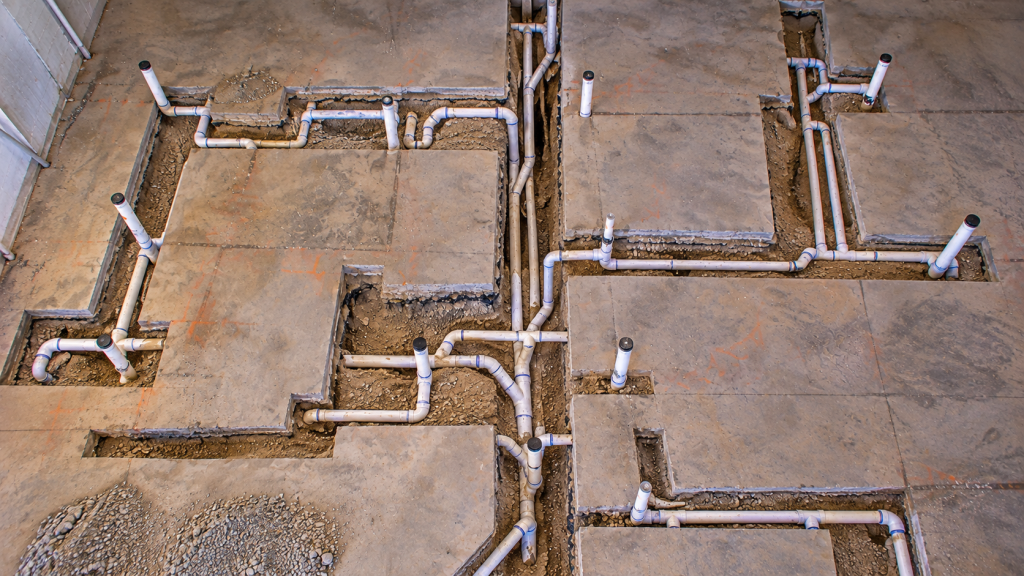
- Replacing or lining old cast iron drains
- Upgrading water heaters to efficient models
- Adding or replacing backflow preventers
- Installing booster pumps for upper floors
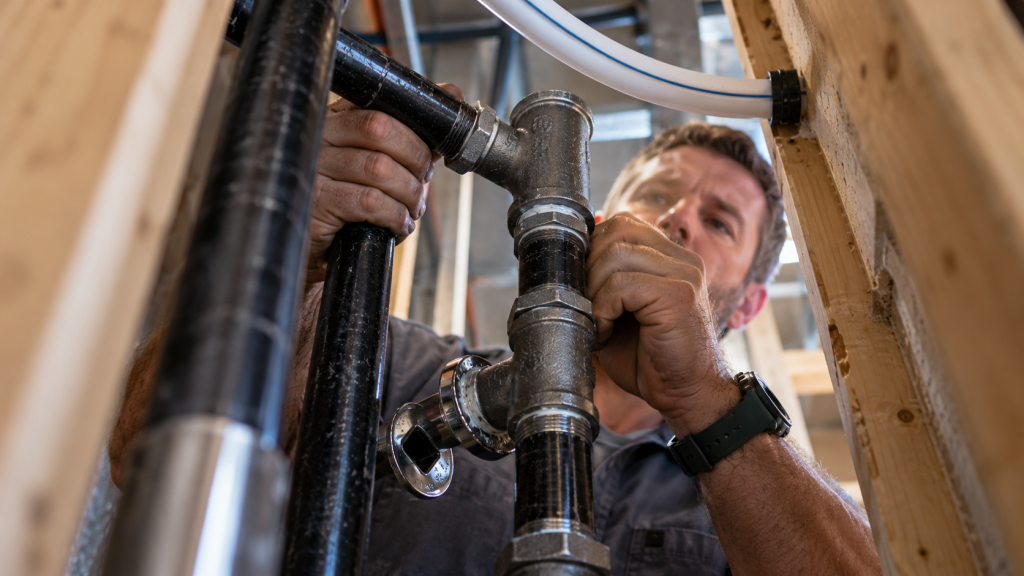
- Adding seismic bracing to pipes and equipment
These upgrades can happen during a tenant improvement or as standalone projects. Doing them during a build-out saves money, because walls and ceilings are already open.
Seismic Rules for Los Angeles Commercial Plumbing
Of course, earthquakes are a constant worry in Southern California. During a quake, unbraced water heaters can topple, breaking gas and water lines. Unbraced pipes can swing and crack joints. So Los Angeles commercial plumbing pays close attention to bracing.
Water heaters need straps or brackets. Larger pipes and equipment may need seismic bracing designed by an engineer. Flexible connections at equipment help absorb movement. These details protect the building and the people inside.
Restaurants and Grease Control
Meanwhile, LA’s food scene is huge. New kitchens open constantly. Each one needs grease control to protect the city’s sewers. Los Angeles has an active program for fats, oils, and grease, and restaurants must follow its rules for interceptors and maintenance.
Plan grease systems early, since interceptor size, location, and access all affect the layout. In addition, health department review may add time to the schedule.
Permits Through LADBS
Most plumbing work in the city requires a permit from the Los Angeles Department of Building and Safety. Most of the time, plumbing sheets are part of the building permit set. The city looks at fixture counts, flow rates, access rules, and bracing.
However, plan check times vary with project size and workload. Submitting complete drawings helps limit rounds of comments. Projects in other cities across LA County follow their own local process.
Contractor Licensing in California
Contractors in California need a license from the Contractors State License Board. Plumbing contractors typically hold a specialty plumbing classification. Before hiring, look up the license and check for complaints.
Working in Dense Urban Sites
Also, many LA jobs sit in busy areas with little parking. Crews may need street permits for staging. Deliveries often happen early to avoid traffic. In occupied buildings, noisy work like saw-cutting may need to happen after hours.
Good planning keeps neighbors, tenants, and inspectors happy. It also helps the schedule hold.
Los Angeles Commercial Plumbing Costs
Generally, costs in LA run higher than in many other cities. Labor rates, strict codes, seismic work, and permit fees all play a part. Older buildings add more, since hidden problems often appear once walls open.
To control costs, survey early, budget for code-driven upgrades, and choose compliant fixtures from the start. Phasing larger system upgrades over time can also spread the expense.
Old Pipes, New Tenants
Many LA tenants move into older buildings. The walls look fine. Yet the pipes inside may be sixty years old. Galvanized steel rusts from the inside. Old cast iron cracks and holds roots. So before you sign, ask the landlord about the plumbing.
Better yet, have a plumber run a camera through the drains. It takes an hour or two. The video shows cracks, sags, and clogs. Then you can ask the landlord to fix them, or plan the cost into your build-out. This small step can save you from a flooded floor after you open.
Saving Water in LA
Water is precious in Southern California. Droughts come often. So low-flow fixtures are not just a rule; they also save money. Sensor faucets stop waste. Efficient toilets use far less water per flush than old ones.
Leaks matter too. A running toilet can waste a lot of water in a month. Smart leak sensors can text the manager when water flows too long. These tools pay off fast in a city where water costs keep rising.
Restaurants Need Extra Care
Opening a restaurant in LA takes more steps than an office. First, the kitchen needs a grease interceptor. Next, the health department reviews the plan. Then the sewer team may want to see the grease setup. Each step adds time.
So start early. Pick the interceptor size with your plumber and kitchen designer. Place it where a pump truck can reach it. Also, plan hand sinks near every prep area. These steps make reviews go faster and help you open on time.
Choosing a Los Angeles Plumbing Partner
Pick a contractor with recent LA commercial work. Ask how they handle California fixture rules, seismic bracing, and LADBS plan check. Confirm their state license and insurance. Our LA plumbing services page has more details.
FAQ on Los Angeles Commercial Plumbing
Do Los Angeles commercial plumbing upgrades require low-flow fixtures?
Yes. New fixtures must meet California water efficiency limits.
Does my water heater need seismic straps?
Yes. California requires water heaters to be braced or strapped.
Upgrade Your LA Space
Modern restrooms and reliable systems make your space more valuable and more comfortable. To plan your Los Angeles project, connect with our California team today.