
Phoenix tenant improvement plumbing keeps pace with one of the fastest-growing commercial markets in the country. New offices, restaurants, clinics, and warehouses open across the Valley every month. Each one needs restrooms, sinks, water heaters, and drains that work from day one. Yet Phoenix brings its own challenges, from very hard water to extreme summer heat. This guide covers installation, renovation, and building upgrades for commercial spaces in Phoenix.
Read on for simple tips that help your plumbing last.
The Phoenix Commercial Market
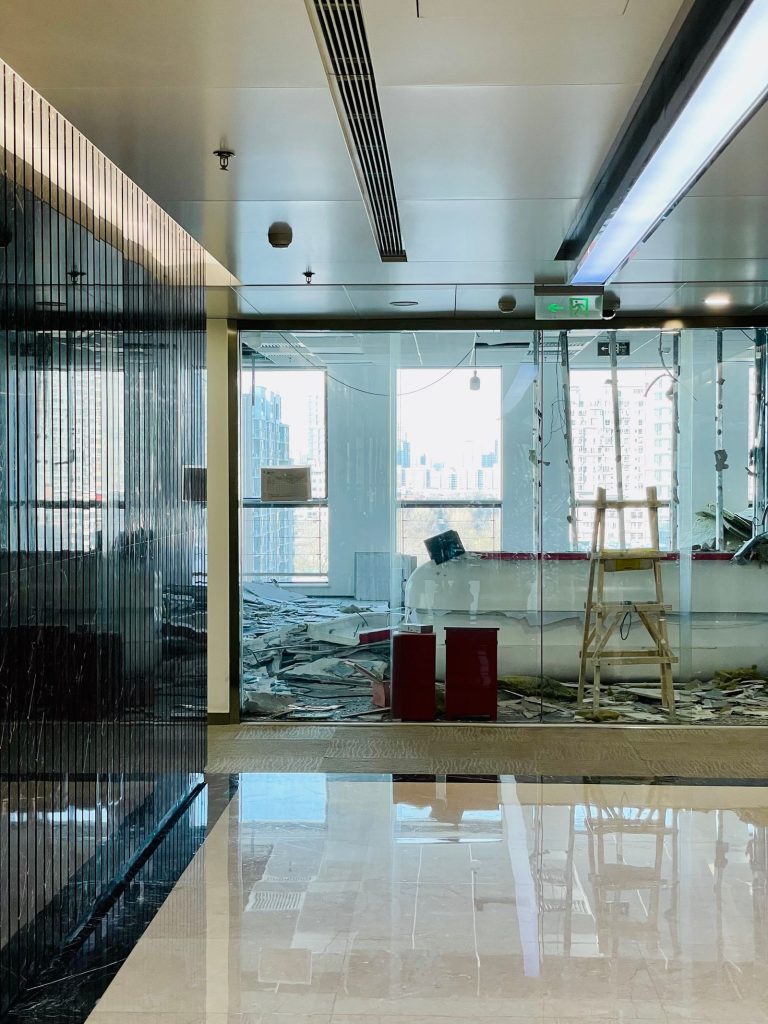
First, Phoenix offers a wide mix of commercial space. Downtown and Midtown have office towers. Camelback Corridor has Class A offices and restaurants. North Phoenix and the I-17 corridor have business parks and new industrial buildings. Meanwhile, neighborhood centers across the city host shops, clinics, and eateries.
However, each type of building brings its own plumbing setup. Newer shells may have sewer stubs and water lines ready. Older buildings may have aging pipe that needs work. Because of this, every Phoenix project should start with a careful survey.
New Installs for Phoenix Tenant Improvement Plumbing
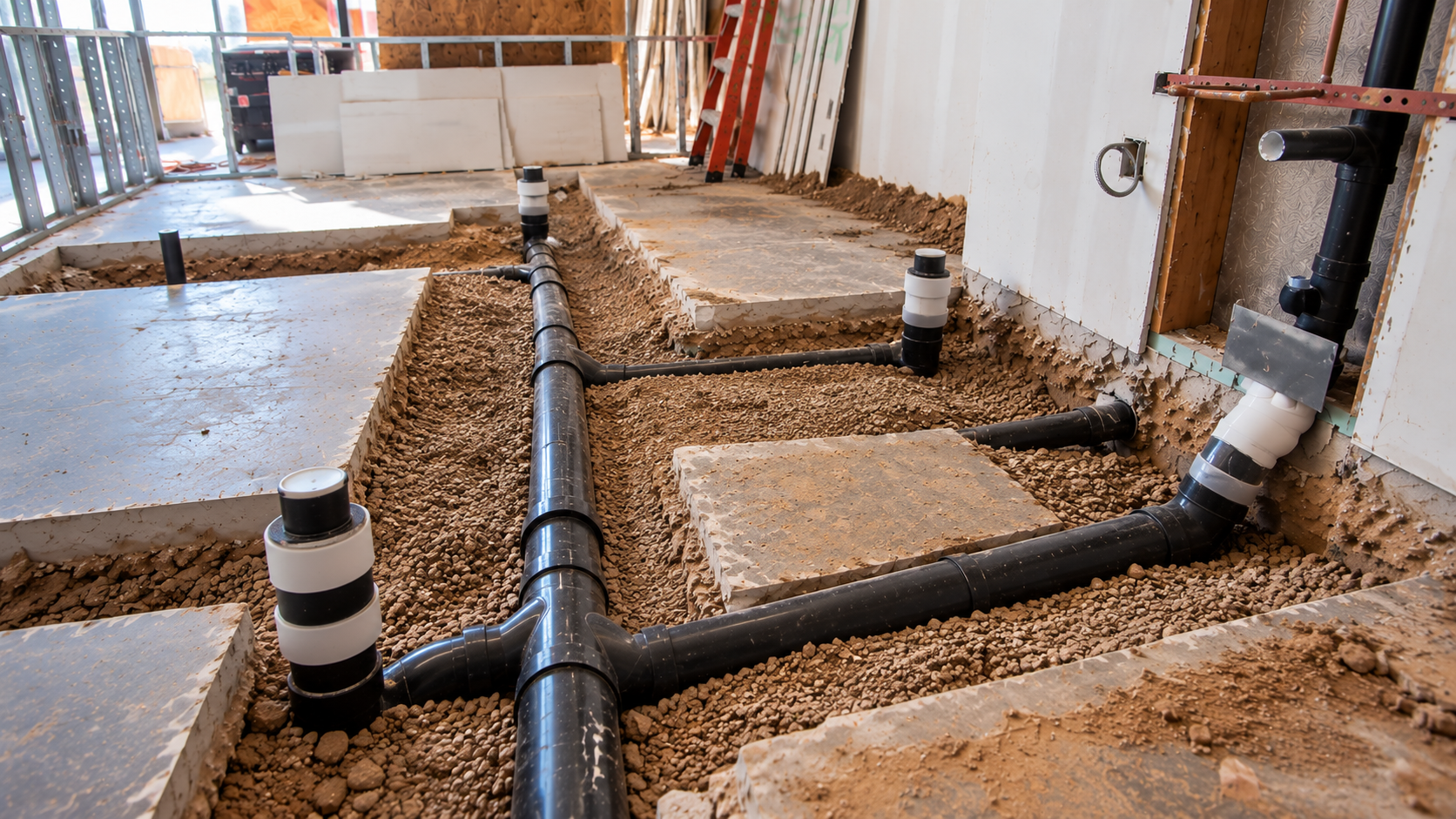
New installations are the most common type of Phoenix tenant improvement plumbing. A typical scope includes:
- Slab cutting and underground drains
- Restrooms with accessible fixtures
- Break room or kitchen sinks
- Water heaters sized for the use
- Janitor sinks and floor drains in back rooms
- Grease, backflow, or other special devices when the use calls for them
Restaurants and medical offices add more complexity. Restaurants need grease management, floor sinks, and heavy hot water use. Medical spaces need sinks in many rooms and sometimes special drains.
Hard Water and Phoenix Tenant Improvement Plumbing
In fact, Phoenix has some of the hardest water in the country. Hard water carries high levels of calcium and magnesium. Over time, these minerals build up inside pipes, water heaters, and fixtures.
As a result, the effects are easy to spot. Faucet aerators clog. Water heaters lose efficiency as scale builds in the tank. Flush valves and sensor faucets wear out faster. Moreover, scale can shorten the life of dishwashers, ice machines, and coffee equipment.
Smart Phoenix tenant improvement plumbing plans for this. Common solutions include water softeners for kitchens and equipment, scale-reducing filters on ice machines, and regular water heater flushing. In addition, choosing fixtures with easy-to-clean parts helps maintenance crews keep up.
Heat and Plumbing Materials
Of course, Phoenix summers are brutal. Daytime highs often top 110 degrees. Even “cold” water can come out warm, because supply lines run through hot soil and attics.
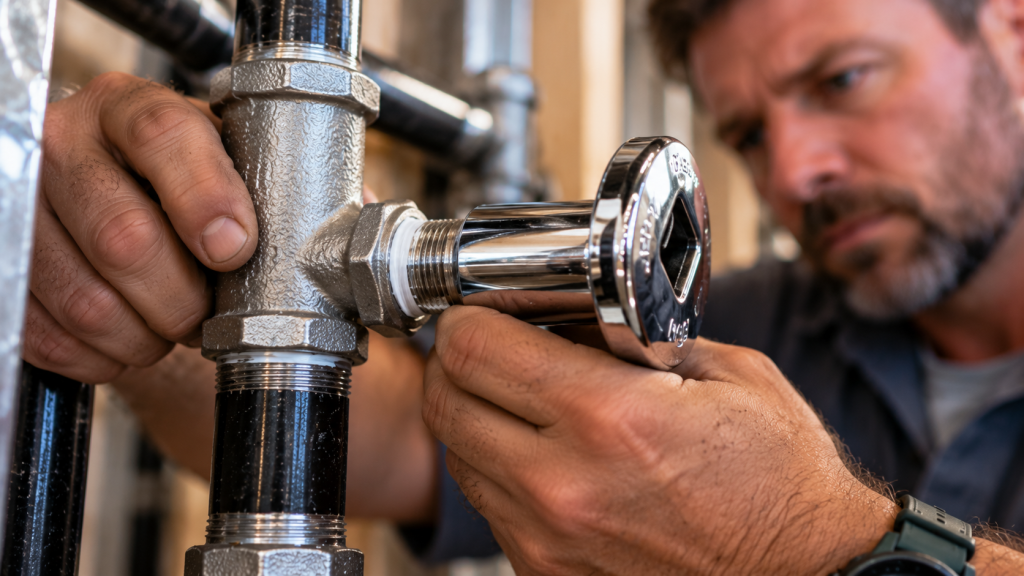
Also, heat affects plumbing in several ways. Exposed plastic pipe can degrade in direct sun. Water heaters in hot closets run less efficiently. Pipes in unconditioned ceilings may need insulation to keep cold water cool.
Likewise, crews feel the heat. So experienced plumbers start early in summer and finish heavy work before the afternoon peak. They also keep glues, sealants, and plastic pipe out of direct sun on the job site.
Phoenix Tenant Improvement Plumbing Upgrades
Still, not every project is a new build-out. Many Phoenix businesses renovate the space they already have. Others upgrade aging building systems to cut costs and improve reliability.
Common upgrades include:
- Replacing old galvanized or failing copper lines
- Updating restrooms to meet accessibility rules
- Switching to low-flow fixtures to save water
- Installing tankless or high-efficiency water heaters
- Adding water treatment to fight hard water
- Upgrading backflow devices to meet current rules
Water-saving fixtures make extra sense in the desert. They lower utility bills and support the region’s conservation goals. The EPA WaterSense program lists certified models.
Permits and Inspections
Most Phoenix tenant improvement plumbing needs a permit from the city’s Planning and Development Department. The plumbing drawings usually go in with the building permit. The city looks at how many fixtures you need, how big the pipes are, and how the vents work.
Inspections typically happen at three points: underground, rough-in, and final. Restaurants may also need review from the county health department. Backflow devices also need a yearly field test.
Scheduling Phoenix Projects
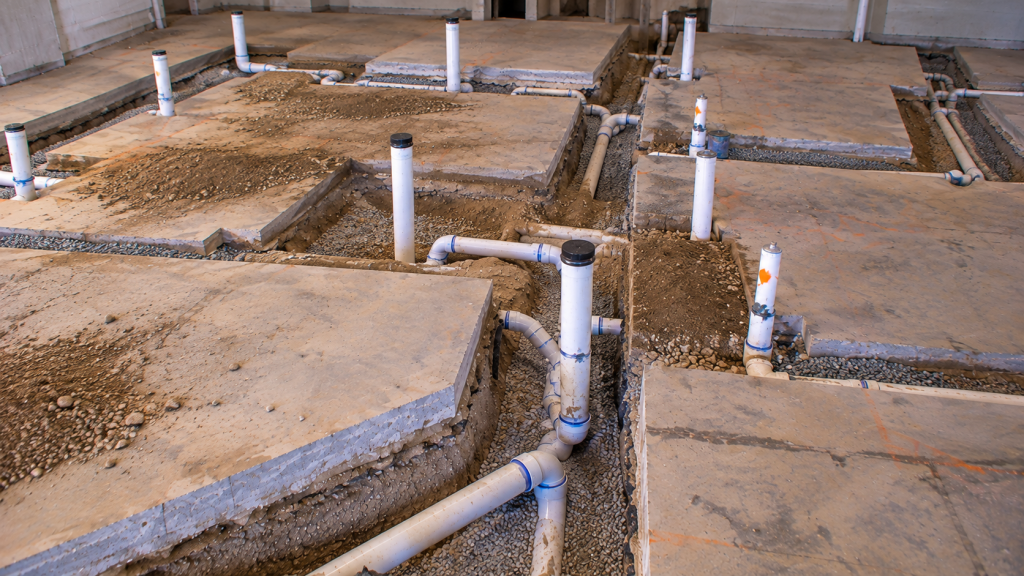
In most cases, plumbing sits on the critical path. Underground work must finish before framing and flooring can proceed. Therefore, early permits and fast inspections matter a lot.
To keep things moving, order fixtures and water heaters during plan review. Schedule saw-cutting early in the day during summer. Also, book inspections ahead of time, since busy seasons can slow the calendar.
Costs and Budget Tips
Plumbing costs in Phoenix depend on layout, slab work, fixture count, and special systems. Restaurants and medical spaces cost more than offices. Long drain runs and deep sewers add cost too.
To control the budget, keep wet areas near the sewer, reuse sound existing lines, and choose standard commercial fixtures. For planning numbers, visit our plumbing cost guide.
Restaurants in Phoenix
Restaurants drive a lot of Phoenix tenant improvement plumbing work. New cafes, bars, and restaurants open all the time. These spaces need the most plumbing of any tenant type.
First, most need a grease interceptor. It keeps fats and oils out of the city sewer. Next, the kitchen needs floor sinks, hand sinks, and a three-bowl sink. Then there is the dish area, the ice machine, and the drink station. Each one needs water, a drain, and often an air gap.
Hot water use is high too. So the water heater must be big enough for rush hours. In addition, hard water can ruin dish machines and ice makers. That is why many Phoenix restaurants add a softener or filter. Planning all of this early keeps the opening date on track.
Medical and Dental Offices
The Valley has a growing health care market. Clinics and dental offices fill many suites. They need sinks in most rooms, which means lots of small drain and water lines.
Dental suites add suction and compressed air at every chair. As a result, their plumbing plans are more detailed than a typical office. Choose a plumber who has done this kind of work before.
Saving Water in the Desert
Water matters a lot in Phoenix tenant improvement plumbing. The city lives in the desert, so every gallon counts. Low-flow toilets, urinals, and faucets help a great deal. They cut water bills and still work well when picked with care.
Sensor faucets also help, since they shut off on their own. In addition, smart leak detectors can spot a running toilet or a slow drip early. Small steps like these add up over the life of a lease. They also show customers that your business cares about the region.
Choosing a Phoenix Plumbing Contractor
Look for a contractor with recent Phoenix commercial work. Confirm their license with the Arizona Registrar of Contractors. Ask for references from local general contractors and landlords. Also, ask how they handle hard water and summer heat on their jobs.
FAQ on Phoenix Tenant Improvement Plumbing
Do I need a water softener for my Phoenix tenant improvement plumbing?
For restaurants and equipment-heavy spaces, it is often wise. Offices may only need filters on specific equipment.
How long does a Phoenix plumbing build-out take?
A simple office can be done in short order. Restaurants can take several months, including permits.
Plan Your Phoenix Project
Good plumbing helps your Phoenix business open on time and run smoothly for years. Visit our Phoenix plumbing page or contact our team to get started.